
Plants
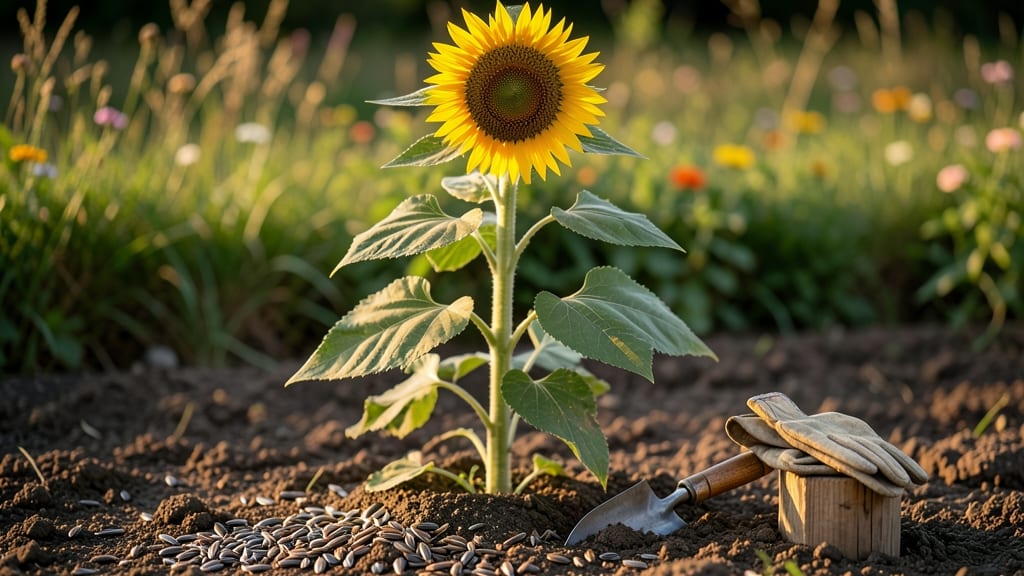
Timing your sunflower seeds right in Ohio means the difference between towering 🌻 blooms and sad, stunted plants struggling against frost or summer heat.
With Ohio’s USDA Zone 6a climate, you’ve got just a 165-day window between last and first frost—so planting too early or late can leave your sunflowers fighting for survival.
Most gardeners in Ohio start sunflower seeds outdoors between April 15 and June 1, but the best time depends on your variety and local microclimate. Dwarf varieties like 'Teddy Bear' can handle cooler soils, while giants like 'Russian Giant' need warmer temperatures to avoid leggy stems.
If you’re in northern Ohio, aim for early May to dodge late frosts, while southern regions can push seeds into the ground as early as late April.
Here’s the secret: sunflowers thrive when planted after the soil warms to 50°F, but before summer’s scorching heat sets in.
I’ll break down the exact frost-free windows for Ohio’s planting zones and share my top tips for extending your growing season—so you can enjoy those golden blooms from July through September without the guesswork.
Whether you’re growing sunflowers for seeds, bouquets, or bird feeders, getting the timing right is the key to strong stems and abundant harvests. Let’s make sure your sunflowers get the perfect start—and avoid the common mistakes that waste time and effort.
Ohio sunflower planting dates by frost-free Zone (2024 guide)
Ohio’s last frost dates vary dramatically from north to south, making sunflower planting a regional balancing act. In USDA Zone 5a (northwest Ohio), you’ll need to wait until mid-May for safety, while Zone 6b (southern Ohio) can start as early as late April.
Sunflowers thrive with 100-120 frost-free days, so timing is critical to avoid bolting or frost damage.
For Ohio gardeners, the ideal planting window stretches from April 15 to June 1, but your exact timeline depends on your microclimate. Northern Ohio’s cooler springs demand patience, while southern Ohio’s longer growing season allows for later plantings. Let’s break down the frost-free zones and their perfect planting schedules.
🌱
| Zone | Avg. Last Frost | Ideal Planting Window | Notes |
|---|---|---|---|
| 5a (NW Ohio) | May 10-15 | May 1 - June 1 | Use row covers for early starts |
| 5b (NE Ohio) | May 5-10 | April 25 - May 20 | Start indoors 2 weeks early |
| 6a (Central Ohio) | April 20-25 | April 15 - May 15 | Best for dwarf varieties |
| 6b (SW Ohio) | April 10-15 | April 1 - June 1 | Can plant late varieties |
Northern Ohio’s Zone 5a gardeners should focus on fast-maturing varieties like 'Teddy Bear' (50 days) to ensure blooms before the first frost. In contrast, Zone 6b gardeners can experiment with tall varieties like 'Russian Giant' (120 days) by planting as late as early June.
Always check your local Cooperative Extension Service for updated frost data—Ohio’s weather patterns shift yearly.
For direct sowing, wait until soil temperatures reach 55°F (test with a soil thermometer). In cooler zones, staggered planting every 2 weeks extends your harvest window. If you’re unsure, opt for mid-April to early May as a safe bet across most of Ohio.
🌿
Sunflowers planted too early may bolt prematurely due to Ohio’s sudden warm spells, while late plantings risk immature blooms before frost. To maximize success, align your planting with local pollinators’ schedules—bees and butterflies thrive when sunflowers bloom in July-August, creating a mutually beneficial ecosystem.
Pro tip: Mark your calendar for July 4th weekend as a reminder to start second plantings of fast varieties. This ensures continuous blooms and seed production through early October, when frost finally arrives.
☀️
Remember, sunflowers are heliotropic—they follow the sun! Plant them in the southernmost part of your garden to maximize their growth potential. In Ohio’s partial shade areas, consider dwarf varieties or provide afternoon shade to prevent stress.
Finally, keep a planting journal to track your sunflower’s progress. Note your last frost date, variety, and harvest timing each year. Over time, you’ll refine your Ohio-specific planting strategy for vibrant, healthy sunflowers season after season.
Best sunflower varieties for Ohio’s short vs. long growing seasons
Ohio’s 100-day growing season means choosing the right sunflower varieties can mean the difference between towering blooms and bolted failures. Fast-maturing types like 'Teddy Bear' (50-60 days) thrive in northern Ohio’s cooler microclimates, while 'Russian Giant' (120+ days) needs southern Ohio’s extended warmth to reach its 12-foot potential.
For short-season gardens (USDA zones 5a-5b), prioritize dwarf or semi-dwarf varieties that mature before Ohio’s average first frost (October 15). These include 'Moulin Rouge' (60 days) and 'Autumn Beauty' (70 days), both perfect for cut flowers or seed harvesting before cold snaps.
In longer-season zones (6a-6b), you can push the limits with tall varieties like 'Russian Giant' or 'Mammoth Russian', but plant them no later than June 1 to ensure they mature before frost. Even then, use row covers for added protection during early fall chills.
| Variety | Days to Mature | Height | Best Ohio Zone | Planting Window |
|---|---|---|---|---|
| Teddy Bear | 50-60 | 2-3 ft | 5a-6b | April 15-June 15 |
| Moulin Rouge | 60-70 | 3-5 ft | 5a-6a | April 15-May 30 |
| Russian Giant | 120-140 | 10-14 ft | 6a-6b | April 15-June 1 |
| Autumn Beauty | 70-80 | 5-8 ft | 5a-6b | April 15-June 10 |
If you’re growing sunflowers for seeds, opt for later-maturing varieties like 'Russian Mammoth' (120 days) but stagger plantings every 2 weeks from April 15 to May 15. This ensures a continuous harvest before Ohio’s first frost while maximizing your garden’s potential.
For northern Ohio gardeners (zones 5a-5b), avoid tall varieties entirely—they simply won’t mature in time. Instead, focus on short-season dwarfs like 'Sunspot' (55 days) or 'ProCut' (60 days), which deliver bold blooms without the frost risk.
Pro tip: Check seed packets for days to maturity and subtract Ohio’s average frost-free days (165). If the result is negative, the variety won’t work in your zone—no matter how much you love its height or color.