
Flowers
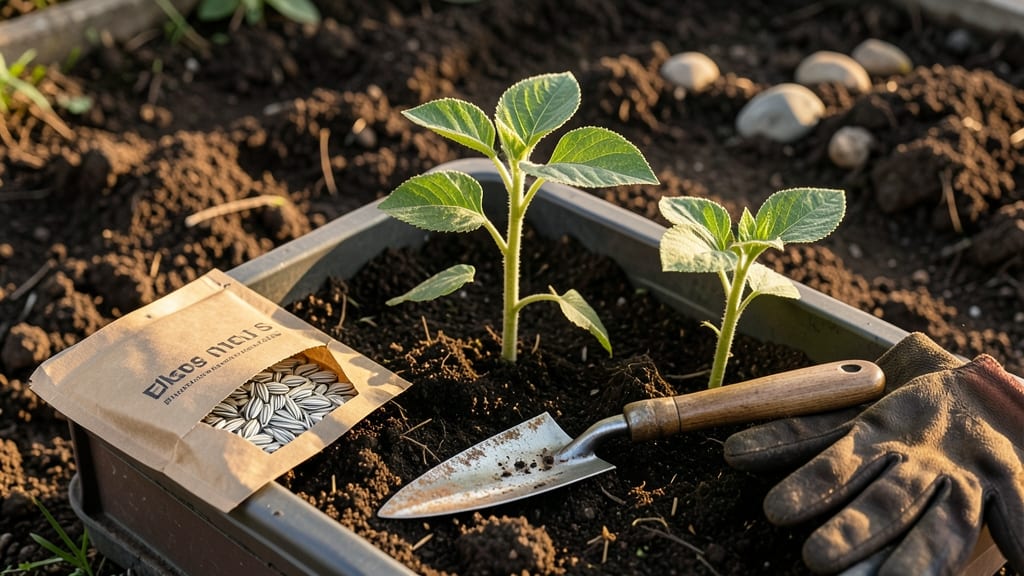
Planting sunflowers in Indiana at the right time can mean the difference between vibrant, towering 🌻 blooms and struggling seedlings. With Indiana's USDA Zone 6a climate, timing isn't just about the calendar—it's about avoiding early frosts while giving your sunflowers enough warmth to thrive before summer's heat arrives.
Most gardeners in Indiana start their sunflower seeds indoors or direct-sow outdoors between mid-April and mid-June, but the best window depends on your variety. Dwarf varieties can handle cooler spring soils, while giant sunflowers need warmer temperatures to reach their full potential.
I'll walk you through the exact timing for each type so you can maximize your blooms.
What you'll discover is that Indiana's unpredictable weather makes soil temperature just as important as air temperature. We'll cover how to test your soil's readiness and adjust your planting schedule if frost lingers longer than expected.
Trust me, getting this right is the game-changer for healthy sunflower stems that can support those massive flower heads.
Ready to grow sunflowers that turn heads in your Indiana garden? Let's dive into the precise planting schedule that will have your sunflowers reaching for the sky by summer's end—no guesswork required.
Indiana sunflower planting calendar: best months by variety for maximum blooms
Indiana’s USDA zones 5-6 mean your sunflower planting window is short but sweet—typically from mid-April to mid-June. Missing this window risks frost damage or heat stress, especially for giant varieties that need cooler temps to establish roots.
The key is aligning your planting with soil temperatures (at least 50°F) and your chosen variety’s maturity timeline.
Sunflowers thrive in Indiana’s long, sunny summers, but their height and bloom time vary dramatically. Dwarf varieties like ‘Teddy Bear’ can handle late spring plantings, while tall varieties like ‘Russian Giant’ need early starts.
Below, I’ve broken down the best planting months for each type, plus frost-free growing windows to maximize your harvest.
🌱
| Variety Type | Best Planting Month | Soil Temp Requirement | Days to Maturity | Frost Risk Window |
|---|---|---|---|---|
| Dwarf (<1-3 ft) | Late May - Early June | 50°F+ | 50-60 days | Low (short stature) |
| Mid-Size (3-6 ft) | Mid-April - Late May | 55°F+ | 70-90 days | Moderate (May frost risk) |
| Standard (6-10 ft) | Early April - Mid-May | 60°F+ | 90-110 days | High (tall stems need strong roots) |
| Giant (10-14+ ft) | Early April (or late March with row covers) | 65°F+ | 110-120 days | Critical (longest growing season needed) |
For Indiana’s northern regions (e.g., Fort Wayne), aim for mid-April plantings to avoid late frosts, while southern Indiana (e.g., Evansville) can push seeds into the ground as early as late March if using row covers.
Always check your local last frost date—Indiana’s ranges from April 15 in the north to March 20 in the south.
Pro tip: Use biodegradable seed starters or row covers to extend your planting window by 2-3 weeks. This is especially helpful for giant varieties that need every day of Indiana’s 165-day frost-free season to reach maturity.
🌿
If you’re growing sunflowers for cut flowers or seed production, prioritize early April plantings to ensure blooms appear before July’s heat stress. For fall interest, consider a late June planting of dwarf varieties—they’ll bloom just as temperatures cool in September and October.
Remember: Sunflowers are annuals, so each planting cycle is independent. You can even try successive plantings every 2-3 weeks from April to June for a continuous display of blooms.
Just adjust spacing—closer plantings (3-4 inches apart) work for cut flowers, while 6+ inches gives giant varieties room to thrive.
☀️
How to adjust sunflower planting for Indiana’s unpredictable weather patterns
Indiana’s weather can shift from frost to heatwaves faster than you can say "sunflower seeds." To beat these unpredictable conditions, I’ve learned to adjust planting times and care routines based on forecasts. Start by monitoring soil temperatures—they should stay above 50°F (10°C) for at least a week before planting.
Use a soil thermometer to check, especially in northern Indiana, where cooler springs delay germination.
If frost warnings linger past your ideal planting window, opt for dwarf varieties like 'Teddy Bear' or 'Moulin Rouge.' These mature faster and tolerate cooler soils better than towering giants like 'Russian Giant.' For late plantings, choose short-day varieties that bloom quicker in summer’s heat.
🌱 Pro Tip: Use row covers or black plastic mulch to warm soil and extend your planting window by 2-3 weeks. These tricks help you avoid both frost damage and summer wilting.
Common Mistakes to Avoid
- Planting too deep: Bury seeds more than 1 inch deep → rotting risk.
- Ignoring soil drainage: Waterlogged soil → seed rot in heavy clay.
- Skipping mulch: Bare soil stays too cold → slow germination.
For transplanting seedlings, wait until nighttime temperatures stay above 55°F (13°C). Harden off seedlings indoors for 5-7 days by placing them outside for increasing durations. This prepares them for Indiana’s humidity swings and sudden wind gusts.
If a heatwave hits after planting, prioritize deep watering at the soil base rather than surface sprinkling. This prevents fungal diseases like powdery mildew, which thrives in Indiana’s high humidity during summer. Water in the early morning to let foliage dry before evening dew forms.
For late-season varieties, consider succession planting in July to catch the second harvest window before the first frost. Choose fast-maturing varieties like 'Autumn Beauty,' which blooms in 60-70 days—perfect for squeezing in a second crop.
🌿 Always keep an eye on the National Weather Service for your local area. Their frost advisories and heat warnings are your best tools for adjusting care routines mid-season. With these adjustments, you’ll turn Indiana’s unpredictability into sunflower success!