
Flowers
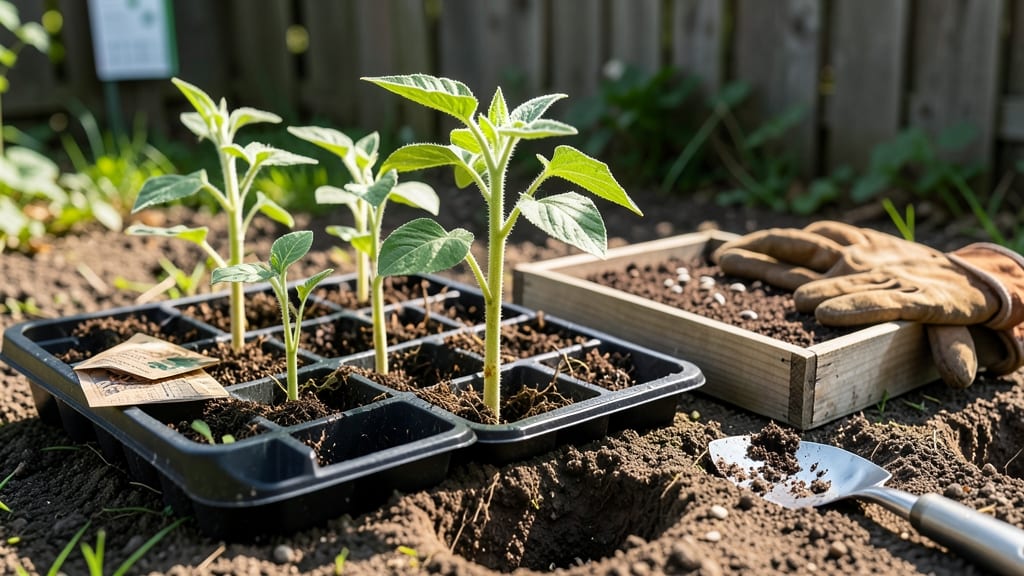
Planting sunflowers in Michigan isn’t just about grabbing seeds and sticking them in the dirt—it’s about timing your sowing to match the region’s tricky frost dates and short growing season.
Get it wrong, and you might end up with sad, stunted 🌻 or miss the chance to enjoy those towering blooms by summer’s end.
Most Michigan gardeners swear by mid-April to mid-May as the sweet spot, but here’s the catch: your exact deadline depends on whether you’re in the Upper Peninsula (Zone 4) or near Detroit (Zone 6).
A late frost in April can turn your early planting into a gamble, while waiting too long might leave your sunflowers struggling to mature before the first frost in October.
I’ve learned the hard way that sunflowers need at least 70 days of warm weather to reach their full glory—so choosing the right variety and planting window is everything.
Whether you’re a first-timer or a seasoned gardener, this guide will help you pick the perfect moment to sow seeds for sunflowers that’ll reach for the sky.
Let’s break down the best planting strategies for Michigan’s diverse climate, from soil temperature tips to county-specific deadlines, so you can grow sunflowers that’ll make your neighbors jealous—and your garden the talk of the town.
Michigan sunflower planting deadlines by last frost date: a county-by-county guide
Michigan’s diverse microclimates mean your sunflower planting window can vary by 10 days or more depending on where you live. The Upper Peninsula has a shorter season than Southern Michigan, so timing is critical.
Most Michigan gardeners aim to plant sunflowers after the last frost date—typically mid-April to mid-May—but regional differences matter.
Sunflowers thrive in USDA Zones 4a-6a, but your local frost date is the real deadline. For example, Detroit (Zone 6a) can plant earlier than Marquette (Zone 4b). Always check your county’s average last frost date—use the Michigan State University Extension frost map as your guide.
Here’s a breakdown of planting deadlines by Michigan region, including direct sowing and transplanting windows for both dwarf and giant varieties:
| Region | USDA Zone | Last Frost Date | Direct Sowing Window | Transplant Window | Notes |
|---|---|---|---|---|---|
| Upper Peninsula (e.g., Marquette, Houghton) | 4a-4b | May 10–15 | May 15–June 1 (after soil warms to 55°F) | May 1–10 (start indoors late April) | Short season; choose early varieties like 'Teddy Bear' |
| Northern Lower Peninsula (e.g., Traverse City, Gaylord) | 5a-5b | April 25–May 5 | May 1–15 | April 15–May 1 | Moderate season; mix early and mid-season varieties |
| Metro Detroit (Wayne, Oakland, Macomb Counties) | 6a | April 15–20 | April 20–May 10 | April 1–15 | Longer season; can plant late varieties like 'Russian Giant' |
| Southwest Michigan (Kalamazoo, Benton Harbor) | 6a-6b | April 10–15 | April 15–May 5 | March 20–April 10 (indoors) | Warm microclimates; can extend season with row covers |
| Southeast Michigan (Ann Arbor, Toledo area) | 6b | April 5–10 | April 10–May 1 | March 15–April 5 | Longest season; ideal for giant varieties |
For Northern Michigan (Zones 4a-5a), prioritize early-maturing varieties like 'Moulin Rouge' (56 days) or 'Autumn Beauty' (60 days). These handle shorter frost-free periods better. In Southern Michigan (Zones 6a-6b), you can push the envelope with late varieties like 'Russian Giant' (120 days) if you plant by mid-April.
Pro tip: Use a soil thermometer to confirm soil temps are 55°F or warmer before planting. Cold soil delays germination, and sunflowers won’t sprout until conditions are right. In Zone 4, wait until late May if early planting risks frost damage.
If you’re in Zone 5 or 6 and want to extend your harvest, try a succession planting strategy: sow half your seeds in April and the other half in early June. This ensures blooms from July through October, giving you a continuous display of cheerful 🌻.
Remember, Michigan’s first frost typically arrives between mid-October and early November, so plan your latest varieties to mature before then. For giant sunflowers, aim to harvest seeds by late September to avoid frost damage.
For container gardening in Michigan, start seeds indoors in March and transplant after your last frost date. Dwarf varieties like 'Sunspot' (2–3 feet tall) are perfect for patios and small spaces, and they mature faster than their towering cousins.
How to adjust sunflower planting for Michigan’s unpredictable weather patterns
Michigan’s weather is famously fickle—one day it’s 60°F and sunny, the next, a surprise frost warning hits. For sunflowers, which thrive in warm soil (55°F+), this unpredictability can turn your dreamy sunflower patch into a sad, stunted mess.
The key? Flexible planting strategies that account for late frosts, early heatwaves, and soil temperature swings.
I’ve learned the hard way that planting too early risks frost damage, while waiting too long can shorten the growing season—especially in Michigan’s USDA Zones 4a-6a. The solution? A mix of soil thermometers, frost protection, and strategic variety choices.
Let’s break it down into actionable steps so you can beat Michigan’s weather and still enjoy those towering blooms.
🌱 Did You Know? Sunflower seeds won’t germinate below 50°F, but they won’t tolerate frost either. That’s why I always wait until the soil temperature hits 55°F for 3+ days—even if the air feels warm. A $10 soil thermometer is your best friend here.
Use a soil thermometer to track 55°F+ soil temps for 3 consecutive days. In Michigan, this typically aligns with late April to early May, but Northern Michigan (Zone 4) can lag 2-3 weeks behind Detroit.
If you’re planting in April (risky in Zone 4-5), cover seeds with row covers or cloches until danger of frost passes. I’ve had ‘Teddy Bear’ sunflowers survive 28°F with protection—unthinkable otherwise!
Sow half your seeds in May and the other half in early June. This stretches your bloom time from July to October and insures against late frosts nipping early flowers. Pro tip: Giant varieties like ‘Russian Giant’ need the extra time!
Another trick I swear by? Planting sunflowers near windbreaks—like corn stalks or tall grasses—to protect young seedlings from late spring winds, which can blow seeds out of the soil or stunt growth.
In my Zone 5b garden, this has doubled my germination rate in windy years.
For Northern Michigan gardeners (Zones 4a-4b), consider starting seeds indoors in March and transplanting after last frost. Use biodegradable pots to avoid root disturbance, and harden off seedlings for 1 week before moving them outside.
I’ve had ‘Autumn Beauty’ sunflowers thrive this way, even in Marquette’s short season.
Finally, watch the weather forecasts like a hawk. If a cold snap is predicted after planting, cover seedlings with row fabric or old blankets (yes, really!). Sunflowers are resilient once established, but young sprouts are fragile.
With these adjustments, you’ll outsmart Michigan’s weather and enjoy sunflowers that reach their full potential—no matter where you garden in the state.