
Companion Plants
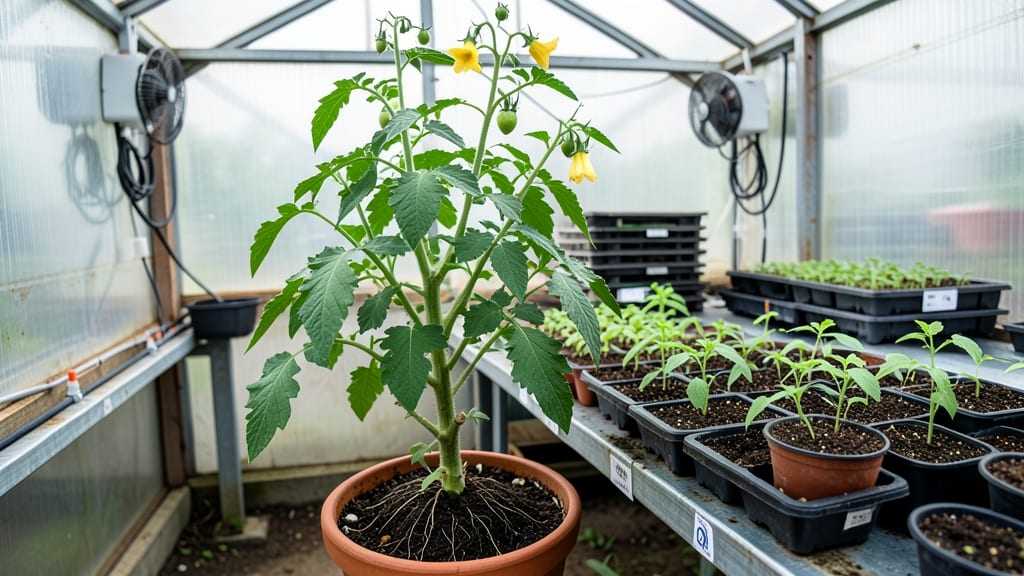
Planting your 🍅 tomato plants in a greenhouse at the right time can mean the difference between a thriving harvest and wasted effort. Unlike outdoor planting, where frost dates dictate your schedule, greenhouse growing lets you control the environment—so why guess when you can follow a precise timeline?
The key to success lies in soil temperature triggers that speed up germination and protect seedlings from temperature swings. If you’ve ever struggled with slow sprouts or leggy plants, you’re not alone—most gardeners miss the optimal window for planting tomatoes indoors.
But with the right timing, you can enjoy faster growth and a longer harvest season.
In this guide, I’ll break down the exact soil temperature ranges you need to watch for, along with a month-by-month planting schedule tailored for greenhouse conditions. Whether you’re starting seeds or transplanting young plants, these insights will help you avoid common mistakes and maximize your yield.
Ready to transform your greenhouse into a tomato-growing powerhouse? Let’s dive into the science-backed schedule that ensures your plants thrive from day one.
Optimal greenhouse soil temperature ranges for planting tomatoes by seed stage
Greenhouse gardening gives you year-round control over tomato planting, but soil temperature is still the #1 factor for success. Unlike outdoor planting, your greenhouse lets you adjust conditions to hit perfect germination triggers—no frost worries! The key is understanding three critical temperature zones for tomatoes: germination, root establishment, and fruiting.
For seed germination, aim for 60-85°F soil temperatures. This range kickstarts metabolic activity in seeds, with 75-80°F being ideal for most varieties. Below 60°F, germination slows dramatically, while above 85°F, seeds may rot before sprouting.
Greenhouses let you pre-warm soil with bottom heat mats or row covers to hit these targets even in winter.
Once seeds sprout, root establishment requires 70-80°F soil. This warmer range encourages strong root growth before transplanting. In a greenhouse, maintain consistent soil temps by using thermostat-controlled vents and avoiding sudden temperature swings.
Fluctuations below 65°F can stunt root development, while consistent warmth above 80°F promotes faster, healthier root systems.
Here’s how your greenhouse gives you an edge: Controlled environments let you plant tomatoes 4-6 weeks earlier than outdoor schedules. While outdoor gardeners wait for last frost dates, greenhouse growers focus on soil temperature consistency—not calendar months.
This means January or February starts are common in greenhouses, with continuous harvests possible year-round.
🌱
🌱 Greenhouse Tomato Planting by Seed Stage
| Stage | Soil Temp (°F) | Greenhouse Tip | Timeframe |
|---|---|---|---|
| Seed Germination | 60-85°F (ideal: 75-80°F) | Use heat mats; maintain humidity | 5-14 days |
| Seedling Roots | 70-80°F | Keep vents closed; monitor soil moisture | 2-3 weeks |
| Transplant Ready | 65-75°F | Hardening off with gradual venting | 1 week |
| Fruiting Stage | 70-85°F (day)/60-70°F (night) | Maximize light; prune for airflow | 6-8 weeks |
💡 Pro Tip: Use a soil thermometer to monitor temps—greenhouse soil can vary 10°F+ from air temperature!
Direct-seeding vs. transplanting makes a difference in greenhouse timing. If you’re direct-seeding (planting seeds straight into greenhouse soil), start when soil reaches 70°F—typically 4-6 weeks before your outdoor last-frost date. For example, in Zone 6, that’s often late February to early March for direct seeds.
Transplanting young seedlings gives you more flexibility. Buy 6-week-old seedlings or start your own 8 weeks before greenhouse planting. This method lets you plant year-round since you’re not waiting for soil to warm naturally. Just ensure seedlings are hardened off (acclimated to greenhouse conditions) for 7-10 days before transplanting.
One greenhouse-specific mistake to avoid is overheating soil during germination. While warmth speeds up sprouting, above 90°F can cause seed rot. Use thermostat-controlled vents or shade cloth to keep soil temps in the 75-80°F sweet spot. A simple fan on low can also prevent fungal issues in humid greenhouses.
🌿
Optimal greenhouse soil temperature ranges for planting tomatoes by seed stage
A greenhouse gives you year-round control over tomato planting, but soil temperature remains the #1 factor for germination success. Unlike outdoor planting, you can accelerate growth by adjusting heat—just avoid these common mistakes that kill seedlings before they start.
For direct-seeding tomatoes, aim for 60-85°F soil temperatures. This range triggers germination within 5-10 days, cutting the wait time by half compared to cooler outdoor soils. Greenhouses let you pre-warm soil with heat mats or bottom warming cables to hit these temps even in winter.
🌱 Tomato Planting Soil Temp Guide
| Seed Stage | Ideal Soil Temp | Greenhouse Adjustment | Germination Time |
|---|---|---|---|
| Direct Seeding | 60-85°F | Use heat mat (90°F) | 5-10 days |
| Transplanting Seedlings | 70-80°F | Maintain consistent warmth | Root establishment in 7-14 days |
| Mature Plants | 65-75°F | Ventilate to prevent overheating | Ongoing growth |
Once seedlings emerge, shift to 70-80°F soil temps for root development. This prevents damping-off disease—a fungal killer of young plants. Use a soil thermometer to monitor temps at 2-inch depth, where roots form. Pro tip: Indeterminate varieties (like 'Sungold') need slightly warmer soils (75-80°F) to support their vigorous growth.
For transplanting mature seedlings, wait until nighttime temps stay above 55°F. Greenhouses let you skip frost concerns entirely, but sudden temp drops (below 50°F) can stunt growth. Use row covers or space heaters during cold snaps if your greenhouse isn’t fully insulated.
Overheating is just as deadly as cold soil. Keep daytime temps below 90°F to avoid blossom drop or sunscald on leaves. Ventilate with automatic vents or fan systems to maintain airflow. My go-to trick? Place a thermometer near plant height—soil temps aren’t the whole story.
Remember: Greenhouse soil stays warmer longer than outdoor beds, so you can plant 4-6 weeks earlier in spring or extend harvests into winter. Just don’t rush—slow, steady growth beats fast germination with weak roots every time.