
Plants
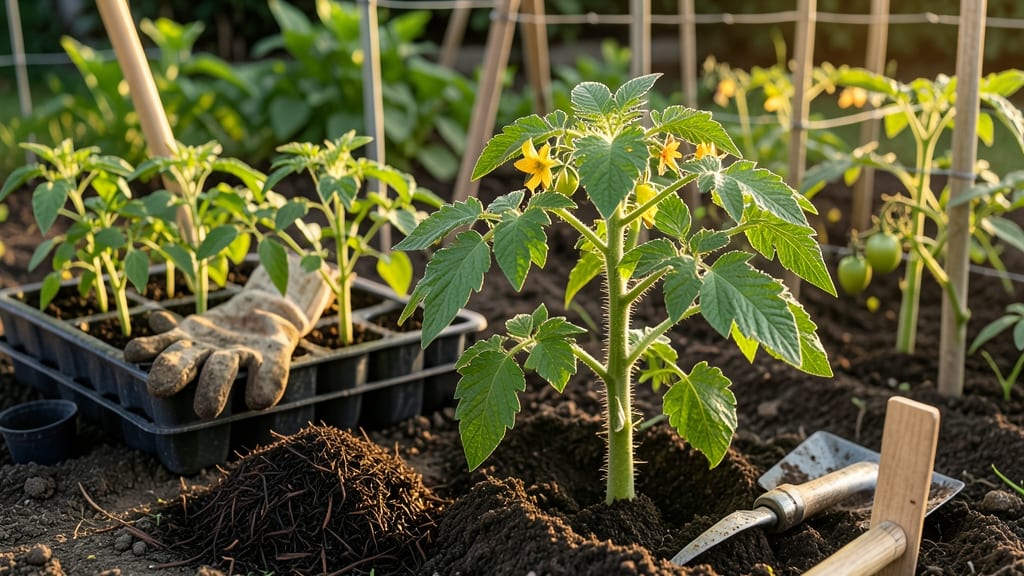
When do you plant tomatoes in Washington State? isn’t just about the calendar—it’s about dodging late spring frosts in the Cascades or avoiding overly wet soil in the Puget Sound. Get it wrong, and you might end up with leggy seedlings or blight-ridden plants before they even fruit. But here’s the good news: with the right zone-specific strategy, you can turn your backyard into a tomato powerhouse from early summer through fall.
Whether you’re in Zone 5 near Spokane or Zone 8 in the Yakima Valley, the key is knowing when to start seeds indoors and when to transplant outdoors.
I’ll break down the exact dates for each microclimate—plus how to adjust for rain, heat, and even elevation—so you can avoid the most common mistakes and maximize your harvest. Let’s get those 🍅 plants in the ground at the perfect moment.
You might think all tomatoes thrive the same way, but Washington’s diverse climate demands a tailored approach. From cold-hardy varieties for high-altitude areas to heat-tolerant picks for the inland desert, I’ll show you how to choose the right plants for your location.
Plus, I’ll share my top tips for extending your growing season—because why stop at one harvest when you can stretch it into late fall?
Ready to grow juicier, more abundant tomatoes than ever before? By the end of this guide, you’ll know exactly when to plant, how to prep your soil, and which companion plants will keep pests at bay. Let’s make this your best tomato season yet—no guesswork required.
Washington State tomato planting zones: exact dates by USDA Zone (5-8)
Washington State spans USDA Zones 5 through 8, creating wildly different planting conditions from Seattle’s rainy coastal zone (Zone 8) to Eastern Washington’s dry desert climate (Zone 6). Understanding these zones helps you avoid late spring frosts or early fall rains that can ruin your harvest.
Let’s break down the ideal transplant dates and soil temperature requirements for each zone to maximize your tomato yield.
For all zones, start indoor seedlings 6-8 weeks before your last expected frost date. Washington’s last frost dates vary dramatically: Seattle typically sees its last frost by April 15, while Spokane averages May 15.
Inland areas like Yakima may experience earlier frosts in fall, requiring careful planning for late-season varieties.
Here’s the zone-specific breakdown you need to plan your tomato planting with precision:
| USDA Zone | Last Frost Date | Soil Temp for Planting | Ideal Transplant Window | Notes |
|---|---|---|---|---|
| Zone 5 (Northern WA: Spokane, Wenatchee) | May 1-15 | 60°F+ (15°C+) | May 20-June 10 | Use cold-hardy varieties like 'Mountain Merit' |
| Zone 6 (Eastern WA: Yakima, Moses Lake) | April 15-May 1 | 55°F+ (13°C+) | April 25-May 15 | Dry climate—mulch heavily to retain moisture |
| Zone 7 (Central WA: Wenatchee Valley) | April 1-15 | 58°F+ (14°C+) | April 15-May 5 | Hot summers—choose heat-tolerant varieties |
| Zone 8 (Western WA: Seattle, Olympia) | March 15-April 15 | 50°F+ (10°C+) | March 30-April 30 | Wet climate—improve drainage and watch for blight |
In Zone 8 (Western WA), you can even plant cold-tolerant varieties like 'Stupice' as early as late February under row covers or in a greenhouse. This extends your growing season by 4-6 weeks compared to traditional outdoor planting.
For Zone 5 and 6, focus on heat-loving varieties like 'Celebrity' or 'Better Boy' to compensate for shorter summers.
Soil temperature is critical—tomatoes won’t thrive in cold soil. Use a soil thermometer to confirm temperatures meet the zone requirements before transplanting. If your soil is too cold, delay planting or use black plastic mulch to warm it faster.
In Zone 8, where rains persist into spring, prioritize well-draining soil to prevent waterlogged roots.
Pro tip: Succession planting works well in Washington. After your first harvest, replant with fast-maturing varieties like 'Early Girl' to extend your season until first fall frosts (typically October 15 in Zone
How to adjust tomato planting for Washington’s microclimates (rainy vs. dry regions)
Washington’s microclimates can drastically change tomato-growing success. In rainy western regions like Seattle, excess moisture fuels fungal diseases, while dry eastern areas like Yakima struggle with heat stress. Adjusting your approach based on your location ensures healthier plants and bigger harvests.
For high-rainfall zones, prioritize well-draining soil and elevated beds to prevent waterlogged roots. In arid regions, focus on mulching to retain moisture and shade cloth during heatwaves. Both extremes require different soil prep and care strategies to thrive.
🌱 Soil prep varies wildly: Western WA needs organic matter to improve drainage, while Eastern WA benefits from retaining moisture with compost. Test your soil’s pH—aim for 6.0-6.8—and amend as needed before planting.
🌧️ Rainy region challenges include blight and powdery mildew. Use resistant varieties like ‘Mountain Merit’ and space plants 18-24 inches apart for airflow. In dry regions, watch for cracked fruit and sunscald—consistent watering at the base prevents these issues.
🪴 Mulching is a game-changer: In wet areas, use straw or pine needles to reduce soil splash. In dry zones, black plastic mulch warms soil and cuts evaporation. Both methods keep weeds down and stabilize moisture levels.
🌡️ Temperature tricks matter too. In cooler western valleys, start seeds 6-8 weeks indoors before last frost. In hotter eastern valleys, opt for heat-tolerant varieties like ‘Solar Fire’ and plant later, after soil reaches 60°F.
Finally, companion planting helps balance microclimates. In rainy areas, pair tomatoes with basil or marigolds to deter pests. In dry areas, comfrey or nasturtiums improve soil and attract beneficial insects.
Rainy Western WA (Seattle, Olympia)
Dry Eastern WA (Yakima, Wenatchee)
By tailoring your approach to your local microclimate, you’ll overcome Washington’s biggest tomato-growing hurdles. Whether you’re battling Pacific Northwest rains or Columbia Basin heat, these adjustments will set you up for a bountiful harvest.