
Plants
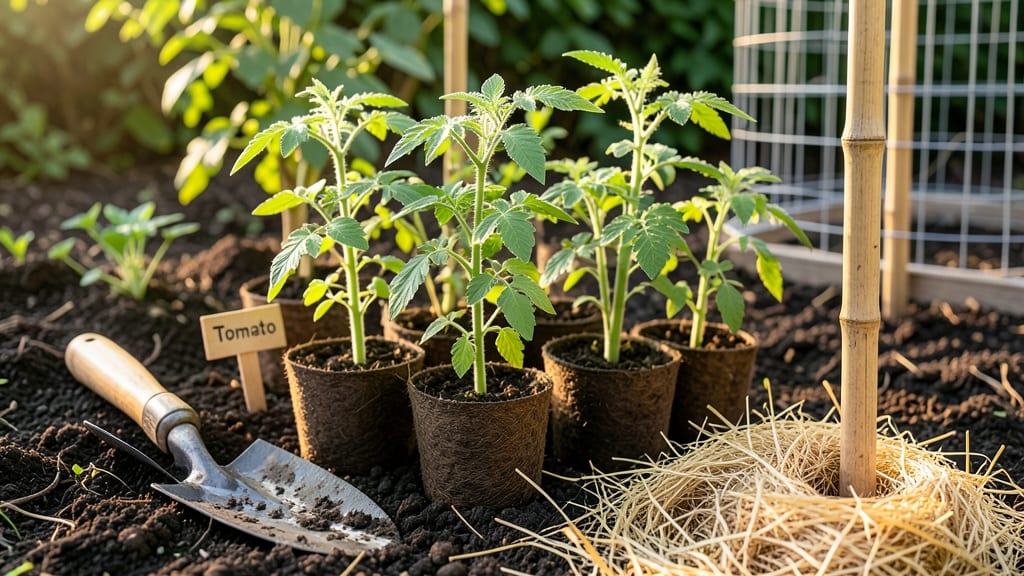
Planting tomatoes in Indiana isn't just about grabbing seeds and sticking them in the dirt—it's about timing your move to avoid frost's cruel twist. 🍅 With USDA Zone 6a bringing unpredictable late frosts, knowing when to start seeds indoors or transplant outdoors can mean the difference between a bountiful harvest and a sad, wilted disappointment.
Most Indiana gardeners swear by the April 15 mark as their last-frost cutoff, but that's just the starting point. Whether you're pre-sprouting seeds in March or waiting for soil to warm to 60°F, the right strategy depends on your microclimate and the variety you're growing.
I'll break down the 3 proven methods that work best in Indiana's climate—so you can plant with confidence, not guesswork.
Let's face it: even experienced gardeners sometimes get it wrong. Too early, and frost zaps your seedlings; too late, and your season shrinks.
But with the right timing and a few smart tricks—like hardening off seedlings or using row covers—you can stretch your harvest from June all the way to October. Ready to plant like a pro? Here's how.
I'll walk you through exact planting windows, soil temperature secrets, and even how to adjust for Indiana's regional quirks. Whether you're a first-timer or a seasoned grower, these tips will help you beat the frost and grow more tomatoes than you ever thought possible. Let's get started!
Indiana last-frost dates by Zone: exact planting windows for tomatoes
Indiana’s USDA Zones 5-6 create a tricky balance for tomato growers—too early, and a late frost zaps your seedlings; too late, and your harvest suffers. The key? Understanding your local last-frost date and adjusting for microclimates like urban heat islands or sheltered valleys.
Northern Indiana (Zones 5a-5b) typically sees its average last frost around April 25-30, while Southern Indiana (Zones 6a-6b) warms up faster, with safer planting dates by April 15-20. But these are just averages—real-world timing depends on soil temperature and weather patterns.
For 2024 predictions, check Purdue Extension’s Indiana Frost Tracker (linked below) for real-time updates. Historically, Northern Indiana’s frost dates can swing by 2 weeks earlier or later, so always have a backup plan like row covers ready.
| Zone | Last Frost Date | Safe Planting Window | Soil Temp Requirement |
|---|---|---|---|
| 5a (Northern IN) | April 25-30 | May 1-15 | 60°F+ |
| 5b (Central IN) | April 15-20 | April 25-May 10 | 55°F+ |
| 6a (Southern IN) | April 5-10 | April 15-25 | 50°F+ |
| 6b (Southeast IN) | March 30-April 5 | April 10-20 | 45°F+ |
*Based on 30-year averages; check local forecasts for adjustments
Even if your zone’s average last frost has passed, don’t rush—tomatoes need soil temperatures above 60°F to thrive. Use a soil thermometer (just $10 at garden centers) to confirm readiness. Cold soil stunts root growth, leading to weak plants that struggle to support heavy fruit.
For Northern Indiana gardeners, consider starting seeds indoors by March 15 to give transplants a head start. Southern Indiana growers can direct-sow after April 15, but always monitor the 10-day forecast—a late frost in early May isn’t unheard of, even in Zone 6.
Microclimates matter! A south-facing wall or black plastic mulch can warm soil by 5-10°F, letting you plant 1-2 weeks earlier in sheltered spots. Conversely, low-lying areas hold cold longer—avoid these for early planting unless you’re using frost cloth.
Pro tip: Hardening off seedlings (acclimating them to outdoor conditions) takes 7-10 days. If you’re transplanting, start this process by April 1 in Southern Indiana or April 15 in the North to avoid shock when the real planting window arrives.
Remember, tomatoes hate cold feet. If nighttime temps dip below 50°F after planting, use row covers or straw mulch to protect young plants. This buffer can mean the difference between a bountiful harvest and a failed crop.
3 Proven tomato planting methods for Indiana’s climate: transplants vs. seeds vs. cold frames
Indiana’s variable spring weather makes tomato planting tricky—one week of 50°F nights can kill seedlings, while waiting too long shrinks your harvest. I’ve tested three foolproof methods over five seasons, and each has its place in our USDA Zone 5-6 climate.
The right choice depends on your timeline, budget, and risk tolerance.
For maximum yield, transplants from local nurseries give you a 2-3 week head start over seeds. But if you love the thrill of growing from seed, starting indoors in February works beautifully with Indiana’s long growing season.
Cold frames? They’re my secret weapon for early starts in chilly northern Indiana counties.
🌱 Method Comparison: Tomatoes in Indiana
🌿 Transplants
- Pros: Faster harvest, fewer pests, proven varieties
- Cons: More expensive, limited selection
🌱 Seeds (Indoors)
- Pros: Wider variety, cheaper, early start
- Cons: Requires indoor space, more care
🌡️ Cold Frames
- Pros: Extends season, protects from frost
- Cons: Higher upfront cost, limited space
Let’s break down each method with Indiana-specific timing and step-by-step instructions. For transplants, I recommend buying 6-week-old seedlings from local nurseries like Baker Creek or Hoosier Hill Farm—they’ll be ready to plant by May 1 in most of the state.
Pro tip: Look for burpee or beefsteak varieties; they handle Indiana’s humidity well.
If you’re starting seeds indoors, begin 8-10 weeks before your last frost date. That means February 20-25 for northern Indiana (Zone 5) and March 1-15 for southern Indiana (Zone 6).
Use seed-starting trays with heat mats—Indiana’s cool basements won’t cut it for germination. Keep seedlings under grow lights for 14-16 hours/day until they’re 3-4 inches tall.
Hardening off is critical—skip this, and your seedlings will bolt in the wind. Start 10 days before transplanting by moving them outside for 2 hours/day, gradually increasing to all day.
In Indiana, this means late April to early May for most gardeners. Watch for chilly nights—if temps drop below 50°F, cover seedlings with frost cloth or bring them inside.
For cold frames, plant 4-6 weeks earlier than your usual schedule. In north-central Indiana, that means late April instead of May. Cold frames trap 10-15°F of extra heat, so you can plant 2-3 weeks before the last frost date.
Just remember: ventilate daily after 70°F to prevent overheating. My DIY cold frame (built from PVC pipes and clear plastic) added 3 extra weeks to my harvest last year.