
Plants
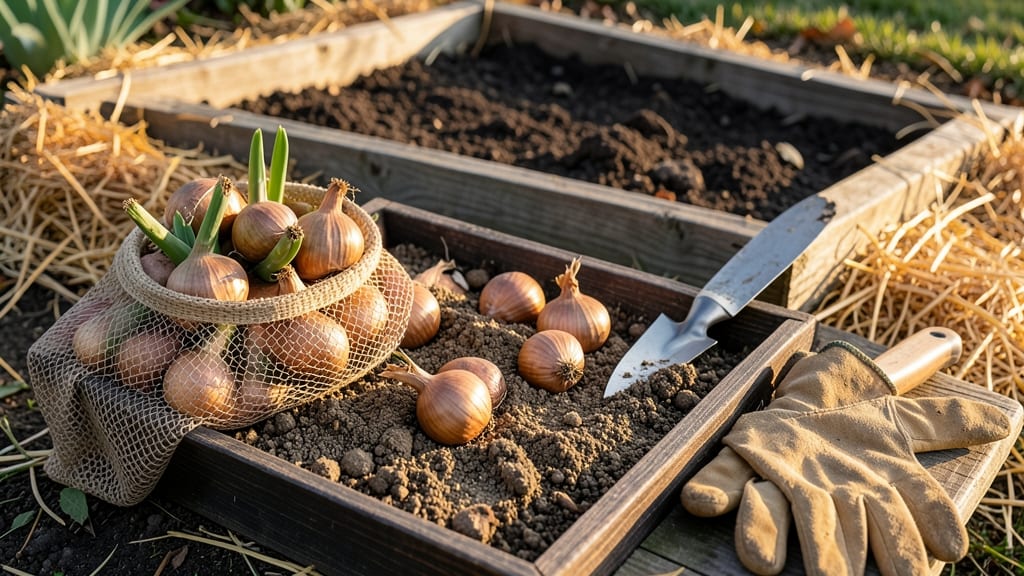
Planting tulips in Georgia at the wrong time means watching your 🌷 bulbs rot before they ever bloom—so timing isn’t just important, it’s the difference between a showstopping spring garden and a wasted investment.
The key lies in understanding your USDA Zone 8a frost dates, which shift every year but typically land in mid-November, giving you a 6-week window to get bulbs in the ground.
Most Georgia gardeners assume fall planting is as simple as digging a hole and dropping in a bulb, but the real secret is matching soil temperatures (between 40–50°F) with your local freeze timeline.
Plant too early, and your bulbs may sprout prematurely; too late, and they won’t get the chilling period they need to flower. I’ll walk you through the exact steps to nail this window—no guesswork, just vibrant blooms come April.
What sets Georgia apart is its humid climate, which means drainage and bulb prep matter just as much as timing. We’ll cover the 5 critical mistakes local gardeners make (and how to avoid them), plus the best tulip varieties that thrive in our heat and moisture.
Whether you’re a first-timer or a seasoned gardener, these insights will ensure your tulips don’t just survive—they thrive.
Ready to transform your yard into a springtime spectacle? Let’s dive into the science and simple strategies that’ll have your tulips popping up right on schedule—no matter how unpredictable Georgia’s weather gets.
Georgia’s exact tulip planting window by USDA Zone 8a (with frost date safeguards)
In Georgia’s USDA Zone 8a, the 6-week tulip planting window runs from mid-October to late November, but timing depends on your last frost date. Most of Georgia experiences its first frost between November 15–30, so aim to plant 4–6 weeks before the ground freezes.
This gives bulbs time to root before winter dormancy begins.
For reliable blooms, check your local frost-free date—Atlanta’s average last frost is November 20, while southern Georgia (like Savannah) may see frost as late as December 10.
Planting too early (before October 15) risks bulb rot in warm soil, while waiting past November 30 may leave bulbs vulnerable to winter freeze-thaw cycles.
Soil temperature is your best guide: tulip bulbs need 40–50°F soil to root successfully. Use a soil thermometer to confirm—if temps dip below 40°F, delay planting until conditions stabilize. In humid Georgia, this often means waiting until late October for northern regions or early November for southern areas.
Bulbs require 12–16 weeks of chilling to bloom, so planting in late November ensures they’ll flower in early spring (March–April). If you miss this window, consider spring planting (February) for dwarf varieties, though blooms may be smaller.
For maximum impact, stick to the fall window—it’s the only time bulbs will naturalize and return year after year.
Pro Tip: Mark your calendar for October 15 as the ideal start date in most of Georgia. If you’re unsure about frost dates, use the 10/10/10 Rule: Plant tulips when the average daily temperature drops below 60°F, the soil is workable, and you’ve got 6+ weeks until frost.
| Stage | Action | Georgia Timing |
|---|---|---|
| Soil Prep | Loosen soil, amend with compost, ensure drainage | September–early October |
| Bulb Purchase | Buy firm, disease-free bulbs (size 12+) | September–October |
| Planting | 6–8" deep, 4–6" apart, pointy end up | October 15–November 30 |
| Mulching | Add 2–3" of mulch after planting | November (post-planting) |
| Blooming | Enjoy flowers; deadhead after blooming | March–April |
If you’re in northern Georgia (e.g., Dalton or Blairsville), plant by October 20 to avoid early frosts. For southern Georgia (e.g., Valdosta or Brunswick), extend your window to November 15.
Always plant after the first frost if your area experiences early chills—bulbs need time to root before dormancy.
For container gardening, use well-draining pots and plant bulbs 4 weeks earlier than in-ground (by September 15). Containers warm up faster, so monitor soil temps closely. Add perlite or sand to mixes to prevent rot in Georgia’s humid climate.
After planting, water deeply once to settle soil, then reduce watering until spring. Overwatering in fall can cause bulbs to rot before they’ve established roots. Once shoots emerge in late winter, resume weekly watering to support bloom development.
Remember: Tulips are not perennial in Georgia’s heat—they’ll multiply but weaken over time. To preserve blooms, dig up and divide bulbs every 3–4 years in summer (June–July) when foliage yellows. Store in a cool, dry place until next fall’s planting.
5 Critical mistakes Georgia gardeners make when planting tulips (and how to avoid them)
Planting tulips in Georgia’s humid climate comes with unique challenges—many gardeners accidentally sabotage their bulbs before they even sprout. The most common mistake? Planting too shallow in heavy clay soils, which causes bulbs to rot during Georgia’s wet winters.
I’ve seen firsthand how 6-inch-deep planting prevents this, but many skip this step when rushing to beat frost.
Another frequent error is ignoring soil drainage. Georgia’s rainy season means waterlogged soil, and tulips hate soggy roots. Amending beds with compost or sand solves this, but I’ve had readers call me in despair after their bulbs turned mushy.
A simple percolation test (dig a hole, fill with water—if it drains in <1 hour, you’re good) prevents this heartbreak.
Planting diseased bulbs in humid climates spreads tulip fire (Botrytis) like wildfire. Always buy bulbs from certified disease-free suppliers and soak them in 10% bleach solution for 30 minutes before planting.
The third mistake? Skipping bulb prep entirely. Georgia’s heat can stress bulbs, so I recommend pre-chilling bulbs for 4–6 weeks in the fridge before planting. This mimics winter conditions and ensures stronger roots. Pro tip: Store bulbs in a paper bag with peat moss to maintain moisture without rot.
Overlooking mulch depth is another silent killer. Too little mulch exposes bulbs to frost heave (when freezing/thawing cycles push them up), while too much suffocates them. Aim for 3–4 inches of mulch (straw or shredded leaves) after planting, but remove it in early spring to prevent rot.
Finally, many Georgia gardeners fertilize at the wrong time. Bulbs need low-nitrogen food (like 5-10-10) only at planting, not in spring. I’ve seen tulips flop over from over-fertilizing with nitrogen-heavy mixes, which encourages leafy growth at the expense of blooms.
Wait until after flowering to feed for next year’s blooms.
To avoid these mistakes, bookmark this Georgia tulip checklist: ☑️ Plant bulbs 6–8 inches deep in well-draining soil ☑️ Test soil drainage before planting ☑️ Pre-chill bulbs for 4–6 weeks ☑️ Use 3–4 inches of mulch (remove in spring) ☑️ Fertilize only at planting with low-nitrogen mix ☑️ Buy disease-resistant varieties for humid climates 🌷