
Plants
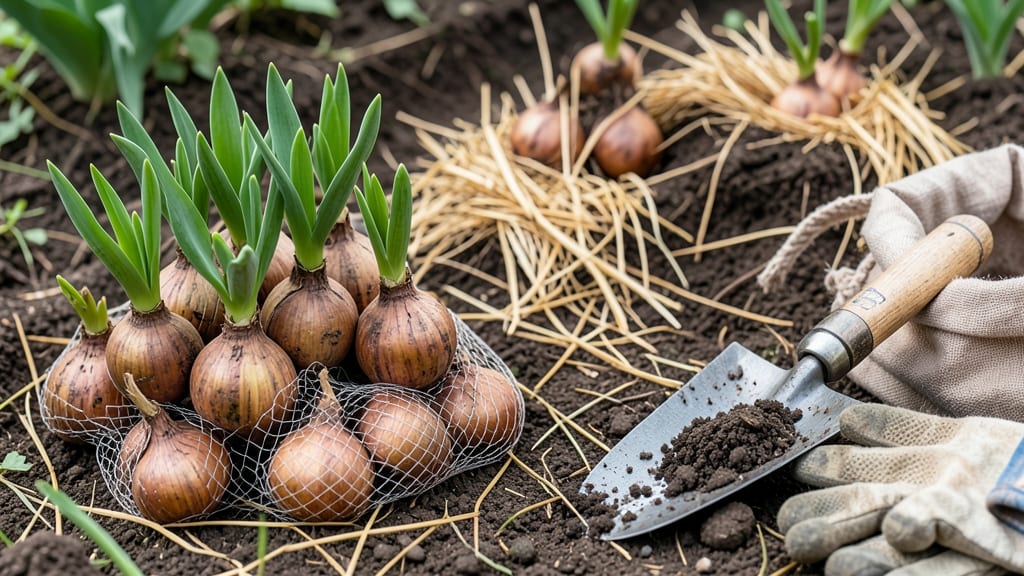
Planting tulips in Oklahoma isn't just about timing—it's about beating the first frost with zero-frost confidence to guarantee those vibrant spring blooms you've been dreaming of.
The secret lies in the 4-6 week window between late September and mid-November, when soil temps drop but roots still have time to establish before winter sets in.
I've learned the hard way that waiting too late means bulbs rot in frozen ground, while planting too early risks early sprouting that gets nipped by Oklahoma's unpredictable freeze-thaw cycles.
The 6b-7a zone gives us a narrow but critical margin—one where proper soil prep and variety selection make all the difference between thriving 🌷 and disappointment.
What most gardeners miss is that Oklahoma's clay-heavy soil needs special attention: drainage fixes, organic matter, and the right mulch can mean the difference between bulbs that survive and those that struggle.
I'll walk you through the exact steps to prepare your soil, plus which tulip varieties actually thrive in our harsh winters—no fragile hybrids here.
By the end, you'll know exactly when to plant, how deep to bury those bulbs, and the simple aftercare that ensures your tulips return year after year. Let's make this your best tulip season yet—no guesswork, just guaranteed blooms.
Oklahoma tulip planting calendar: best months by climate zone
Oklahoma’s USDA hardiness zones 6b-7a mean tulip planting varies by region—from southern Oklahoma’s mild winters to northern areas with earlier frosts. The key is planting 4-6 weeks before the first hard frost, which typically arrives between mid-November and early December.
For most of Oklahoma, this window opens in late September and closes by mid-November.
If you’re in southern Oklahoma (zone 7b), you have more flexibility—planting as late as early December can work, but aim for late October to November for best results.
In northern Oklahoma (zone 6b), frost can arrive earlier, so September through October is your safest bet. Always check your local National Weather Service frost dates before planting.
Here’s the critical timeline for Oklahoma tulip planting:
Why does soil temperature matter? Tulip bulbs need 4-6 weeks of cool soil (below 60°F) to establish roots before winter. Planting too late risks frost damage to emerging shoots in spring. Conversely, planting too early in hot September soil can cause bulbs to sprout prematurely, weakening them before winter.
For container planting in Oklahoma, follow the same timeline but use well-draining pots with sand or perlite. Containers warm up faster, so plant 2-3 weeks earlier than in-ground to compensate. Place pots in shaded areas during late summer to prevent overheating.
Pro tip: If you miss the fall planting window, you can plant tulip bulbs in late winter (February) for a spring bloom. However, these tulips may not naturalize or return yearly like fall-planted bulbs. Use this method for one-season displays only.
Oklahoma’s clay-heavy soils can trap moisture, leading to bulb rot. Always plant tulips in raised beds or amended soil if your yard has poor drainage. Next, we’ll cover soil prep steps to ensure your bulbs thrive in Oklahoma’s unique conditions.
🌷
How to prepare Oklahoma soil for tulip bulbs before planting
Oklahoma’s clay-heavy soils can suffocate tulip bulbs if not prepped properly. The key is improving drainage and adding organic matter to help roots establish before winter. Start by testing your soil’s pH level—tulips thrive in slightly acidic soil (pH 6.0–7.0).
If your soil is too alkaline, amend it with sulfur or peat moss 4–6 weeks before planting.
Next, loosen the soil to a depth of 12 inches using a garden fork or tiller. This breaks up compacted clay and encourages root growth. Mix in 2–3 inches of compost or well-rotted manure to boost fertility without overwhelming the bulbs. Avoid fresh manure, which can burn delicate roots.
If your garden spot has poor drainage, consider planting tulips in containers with a mix of potting soil, perlite, and compost. This mimics the well-draining conditions bulbs need. Water the prepared soil thoroughly before planting to help bulbs settle into place without air pockets.
Mulch the area after planting with 2–3 inches of straw or shredded leaves to insulate bulbs from temperature swings. This protects them from early freezes while allowing water to penetrate the soil. Avoid using mulch with high nitrogen content, like fresh grass clippings, which can encourage rot.
Finally, mark your tulip beds with stakes or flags so you don’t accidentally disturb the bulbs when spring arrives. Oklahoma’s unpredictable weather means you’ll want to revisit these beds in early spring to remove mulch and encourage new growth.
With the right soil prep, your tulip bulbs will develop strong roots before winter, setting the stage for vibrant blooms in April or May. Just remember: drainage and organic matter are your best friends in Oklahoma’s clay-heavy gardens. 🌷