
Plants
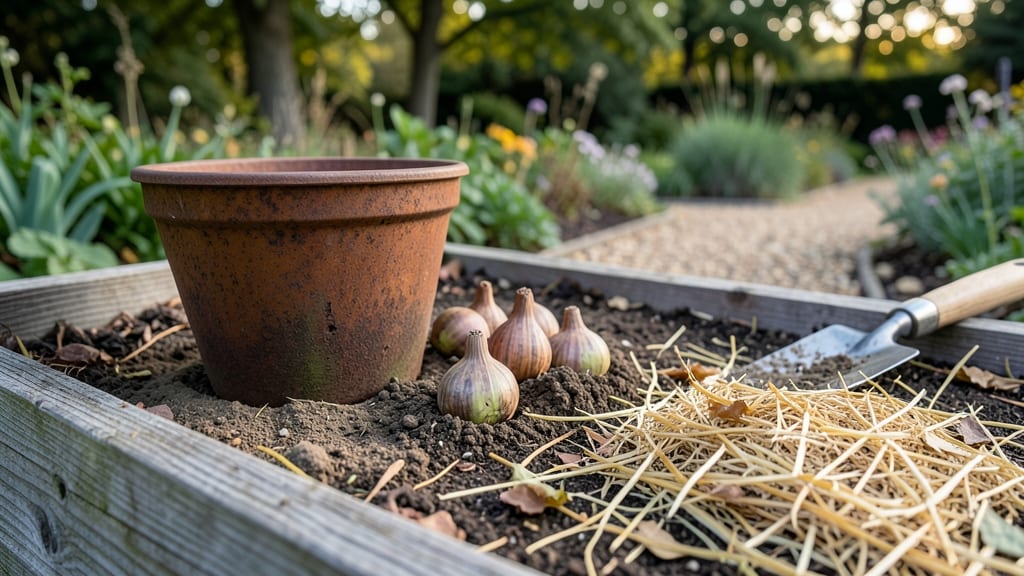
Planting tulips 🌷 in Tennessee might seem like a gamble—after all, our winters are mild compared to the deep freeze of northern states.
But timing is everything, and getting those bulbs in the ground just right means you’ll be rewarded with vibrant spring blooms that brighten up your garden before summer even arrives.
The key window for planting is between October and November, when soil temperatures drop but before the first hard frost hits. This 4-6 week period gives the bulbs time to establish roots while still benefiting from the cooler weather they need to thrive.
In Tennessee’s USDA zones 6a-7b, missing this window could mean weaker growth or even no blooms next spring.
Don’t worry if you’re new to gardening—this guide will walk you through exactly when to plant, how deep to bury those bulbs, and which varieties do best in our climate. With the right approach, you’ll turn your yard into a springtime showstopper without the guesswork.
Ready to dig in? Let’s make sure your tulips get the perfect start so you can enjoy their beauty from April through May. The secret isn’t just luck—it’s knowing the right time and how to prep your soil for success.
Best planting months for tulips in Tennessee’s climate zones
Tennessee’s USDA zones 6a-7b create a unique challenge for tulip growers—plant too early, and bulbs may sprout before winter; too late, and they won’t establish roots before frost. The ideal window is October through November, but timing shifts slightly between East and West Tennessee due to microclimates.
In East Tennessee (zone 6a), where winters are colder, aim for mid-October planting. The ground typically freezes by mid-November, leaving just 4-6 weeks for root development—critical for spring blooms. Meanwhile, West Tennessee (zone 7b) gardeners can plant until early December thanks to milder winters.
Here’s the key: plant bulbs 4-6 weeks before the first hard frost. Use your local frost date calendar (available from TN State University Extension) to calculate your exact window. For example, in Nashville (zone 7a), this means late October to early November.
Pro tip: If you miss the fall window, spring planting is possible but risky. Bulbs planted in March may bloom that year, but they’ll need extra winter chilling (like a fridge) to perform well next spring.
🌷
| Zone | Ideal Planting Window | Frost Risk | Microclimate Adjustment |
|---|---|---|---|
| 6a (East TN) | Mid-October | High (first frost: Oct 15) | Plant sooner in valleys; delay 1 week on south-facing slopes |
| 7a (Middle TN) | Late October | Moderate (first frost: Oct 30) | Add 1 week in urban heat islands; subtract 1 week in rural areas |
| 7b (West TN) | Early November | Low (first frost: Nov 15) | Plant later near rivers; earlier in drier uplands |
| All Zones | Last Chance: December 1 | Very High | Use mulch heavily to insulate bulbs |
For container gardening, the rules change slightly. Pots freeze faster, so plant 2-3 weeks earlier than in-ground bulbs. Use black plastic pots to absorb heat during the day and move containers to sheltered locations at night.
One common mistake? Planting tulips in September. While possible, early planting gives bulbs too much time to sprout before winter, weakening their cold hardiness. Wait until soil temps drop below 60°F (usually late September) to signal bulbs it’s time to rest.
🌡️
Remember: Tennessee’s mild winters mean tulips need at least 12 weeks of cold temps below 40°F to bloom reliably. If your winter was unusually warm, consider chill-sensitive varieties like ‘Darwin Hybrid’ or ‘Fosteriana’, which perform better in shorter cold periods.
Finally, mark your calendar for April 15—that’s when most Tennessee tulips will emerge. If you see green shoots in March, protect them with row covers to prevent frost damage.
Best planting months for tulips in Tennessee’s climate zones
Tennessee’s USDA zones 6a-7b mean you’ve got a narrow window—just 6-8 weeks—to plant tulip bulbs before winter sets in. The ideal planting window is mid-October to early November, but timing varies slightly by region.
In East Tennessee’s cooler zones (6a), aim for late September to mid-October, while West Tennessee’s warmer zones (7b) can wait until early November. Planting too early risks premature sprouting, while waiting too late means bulbs won’t establish roots before frost.
Your last frost date (usually mid-October) is your deadline. Bulbs need 4-6 weeks to root before winter dormancy. For example, if your area’s first frost hits October 25th, plant by September 20th.
Use your local extension office’s frost data to pinpoint your exact window—it’s the best way to avoid missed opportunities.
🌱 Tulip Planting Timeline for Tennessee
| Region | USDA Zone | Best Planting Window | Key Consideration |
|---|---|---|---|
| East Tennessee (e.g., Knoxville) | 6a | Late September–Mid-October | Cooler nights; plant early to avoid frost. |
| Middle Tennessee (e.g., Nashville) | 7a | Mid-October–Early November | Moderate climate; aim for 6 weeks before frost. |
| West Tennessee (e.g., Memphis) | 7b | Early–Mid-November | Warmer soil; extend window slightly later. |
| ⚠️ Late Planting Risk: Bulbs planted after November 15th may not root deeply enough for spring blooms. | |||
If you miss the fall window, spring planting is possible but risky. Tulips planted in late winter (February) may bloom earlier, but they’ll need consistent chilling (like a fridge) to mimic winter dormancy.
For best results, stick to fall planting—it’s the only guaranteed way to get those showstopping spring blooms you’re dreaming of.
Pro tip: Test your soil’s drainage before planting. Tulips hate soggy soil, and Tennessee’s clay-heavy areas (like Middle Tennessee) can trap moisture. Amend with compost or sand to improve aeration.
A simple percolation test (pour water on soil; if it drains in 2 hours, it’s safe for bulbs).
Don’t overlook microclimates in your yard. South-facing slopes warm up faster, giving you 1-2 extra weeks for planting, while low-lying areas may need earlier planting. Observe where frost lingers longest—those spots are your last planting zones. Mark them with flags or stakes to avoid confusion when bulbs arrive.
Finally, store bulbs properly if you can’t plant immediately. Keep them in a cool (40–50°F), dry place (like a garage) until you’re ready. Avoid refrigerators with humidity fluctuations, which can cause rot.
With the right timing and prep, your Tennessee garden will reward you with bold, healthy tulips year after year.