
Plants
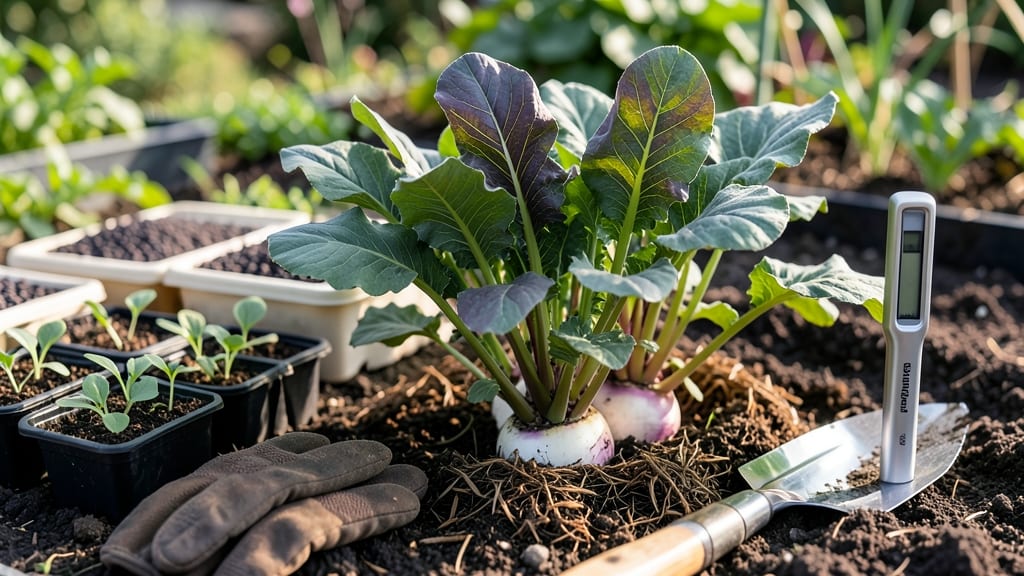
Planting turnip greens 🥬 at the wrong time in Tennessee means sacrificing tender, flavorful harvests for bitter disappointment. The key to success lies in understanding the spring and fall windows that align with your local frost dates and USDA zones 6a-7b.
Most gardeners in Tennessee rush to plant too early, only to watch their greens bolt or freeze before reaching peak flavor. I’ve learned the hard way that timing is everything—whether you’re aiming for a May harvest or stretching into November’s cooler months.
In this guide, I’ll break down the exact months to start seeds and transplants, plus how to adjust for Tennessee’s regional differences. You’ll discover succession planting tricks that keep your kitchen stocked all season, even in unpredictable weather.
Ready to grow turnip greens that taste as good as they look? Let’s get your planting calendar dialed in for zero-frost success.
Best planting windows for turnip greens in Tennessee: spring vs fall timeline
Tennessee’s USDA zones 6a-7b create perfect conditions for growing turnip greens, but timing is everything. The state’s variable frost dates—from mid-March in the west to late April in the mountains—mean your planting window must adapt.
Spring and fall harvests are both possible, but each requires precise scheduling to avoid bitter leaves or frost damage.
For spring planting, aim for 4-6 weeks before your last frost date. In most of Tennessee, this means late February to early April.
If you plant too early, cold soil slows germination, while waiting too long risks bolting before harvest. Fall plantings should happen 8-10 weeks before the first frost, typically late July to early September.
Here’s how to align your planting with Tennessee’s microclimates. Eastern Tennessee’s higher elevations (like USDA zone 6a) have later frost dates, while West Tennessee’s zone 7b enjoys longer growing seasons. Use your local Almanac frost dates as a guide, but always adjust for your specific yard’s exposure.
| Planting Window | Ideal Months | Soil Temp (°F) | Days to Harvest | Key Notes |
|---|---|---|---|---|
| Spring Planting | Late Feb - Early Apr | 45-55°F | 30-60 days | Plant after last frost; use row covers if late frost risk. |
| Fall Planting | Late July - Early Sep | 50-60°F | 45-55 days | Avoid planting too close to frost; choose cold-hardy varieties. |
| Extended Season | Late Apr - Early June | 50-65°F | 50-60 days | Use shade cloth for summer heat; harvest before bolting. |
The soil temperature is your best indicator for planting. Use a soil thermometer to confirm 45°F or warmer for spring and 50°F or warmer for fall. Cold soil delays germination, while overly warm soil (above 80°F) can cause greens to bolt prematurely.
In Tennessee’s humid summers, focus on late afternoon shade to prevent stress.
For urban gardeners or those with limited space, container planting works well. Use 5-gallon pots with well-draining soil and plant seeds ¼-inch deep. Containers warm up faster in spring, so you can start 2-3 weeks earlier than in-ground plantings. Just ensure pots have drainage holes to prevent root rot.
Succession planting is key to a continuous harvest. In spring, sow new seeds every 2 weeks until mid-May. For fall, stagger plantings every 3 weeks from late July through early September.
This ensures you always have tender, young leaves ready to pick, rather than a single large batch that bolts all at once.
Choose cold-hardy varieties like ‘Southern Giant Curled’ or ‘Seven Top’ for Tennessee’s climate. These varieties tolerate light frosts and produce sweet, tender greens even when temperatures dip. Avoid heat-sensitive types like ‘Tokyo Cross’, which struggle in Tennessee’s summer heat and may bolt prematurely.
Always test your soil pH before planting. Turnip greens prefer 6.0-7.0 pH. If your soil is too acidic, amend it with lime 4-6 weeks before planting. For nutrient-rich soil, mix in compost or well-rotted manure. Well-prepared soil means faster germination and healthier, more flavorful greens.
Mark your planting dates on a garden calendar and set reminders for harvest times. With the right timing, you’ll enjoy fresh turnip greens from May through November—just in time for Tennessee’s cool-season cooking! 🥬
Best planting windows for turnip greens in Tennessee: spring vs fall timeline
Tennessee’s USDA zones 6a-7b create ideal conditions for turnip greens, but timing is everything. Plant too early, and you risk frost damage—too late, and your harvest suffers from heat stress.
The key is aligning your planting with soil temperatures and frost-free dates, which vary slightly across East, Middle, and West Tennessee.
For spring planting, aim for 4-6 weeks before your last frost date, typically early March to mid-April. In East Tennessee (higher elevations), start closer to mid-March, while West Tennessee’s milder climate allows late February sowings.
Seedlings emerge best when soil reaches 45-50°F, so wait for that warm-up after winter’s chill.
| Season | Planting Window | Soil Temp | Frost Risk |
|---|---|---|---|
| Spring | Early March–Mid-April | 45–50°F | Low (after last frost) |
| Fall | Mid-August–Early Sept | 50–60°F | High (late Oct–Nov) |
Fall plantings offer a second harvest window, but require 8-10 weeks before your first frost (usually mid-August to early September). East Tennessee’s cooler nights may need row covers to extend the season, while West Tennessee’s longer frost-free period allows later sowings.
Always choose cold-hardy varieties like ‘Southern Giant’ or ‘Seven Top’ for fall success.
Pro tip: Use succession planting every 2 weeks in spring to stagger harvests. In fall, sow a final batch by September 1st for a late-October crop before hard frosts hit. Direct sowing (not transplants) works best—turnip greens dislike root disturbance.
Watch for soil moisture during germination; keep seeds consistently damp until sprouts appear (5–10 days). Once established, they’re surprisingly drought-tolerant, but mulch helps retain moisture in Tennessee’s hot, dry summers.
For urban gardeners, container growing is perfect—just ensure pots are 12+ inches deep and use a well-draining mix. Place containers near south-facing walls to maximize sunlight, especially in shaded yards. With the right timing, you’ll enjoy tender greens from May through November! 🥬