
Plants
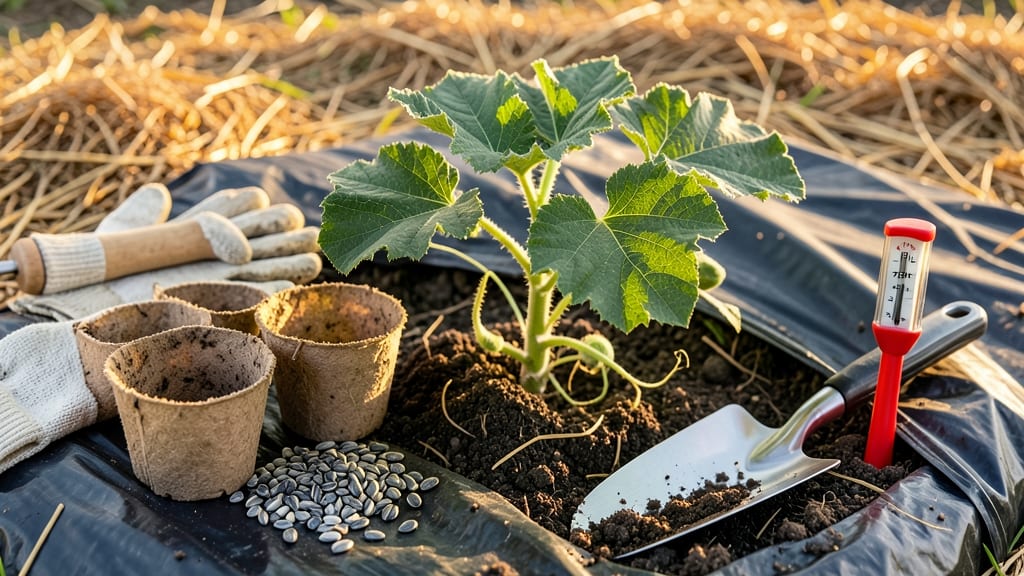
Planting watermelon in Florida isn’t just about the calendar—it’s about soil warmth and knowing the exact moment when those seeds will finally spring to life. Too early, and your 🍉 seeds will rot in chilly ground; too late, and you’ll miss the sweet rush of summer harvests.
The key? Waiting until the soil hits that magic 70°F threshold, which in Florida typically lands between mid-February and early May—or again in September for a fall crop.
Why does timing matter so much? Because watermelons are heat-lovers, and they’ll germinate fastest when the earth is already cozy. In North Florida’s cooler pockets (zones 9a-10a), you might wait until late March, while South Florida growers can start as early as February.
The trick? Use a soil thermometer or watch for the first warm spells—because in Florida, where frost is rare, the real enemy is cold soil, not cold air.
Once you’ve got the timing down, the next challenge is keeping those seedlings happy in Florida’s humidity and heat. Black plastic mulch can shave weeks off your wait time by warming the soil faster, while raised beds give you more control over temperature.
And if you’re aiming for a fall harvest? September planting is your golden ticket, but you’ll need to act fast—before the first hint of cooler weather slows things down.
Let’s break it all down: from testing soil warmth to avoiding common pitfalls that turn eager gardeners into frustrated melon-watchers. By the end, you’ll know exactly when to drop those seeds for the fastest, juiciest watermelons your Florida garden has ever seen.
Optimal Florida watermelon planting dates based on soil temperature
Florida’s frost-free zones (USDA 9a-11) mean watermelons can grow year-round, but soil temperature—not calendar dates—dictates planting success. Watermelon seeds need 50°F+ soil to germinate, but vines thrive best when soil hits 70°F+.
In Florida, this typically aligns with late winter to early spring, but regional microclimates shift those windows.
North Florida’s cooler winters (like Jacksonville or Gainesville) demand patience—wait until mid-March to early April when soil warms consistently. Meanwhile, South Florida (Miami, Fort Lauderdale) can plant as early as mid-February, thanks to its warmer subtropical climate.
Central Florida (Orlando, Tampa) falls in between, with ideal planting from late February to mid-March.
For a fall harvest, aim for September planting in North Florida or August in South Florida. This second window avoids summer’s brutal heat while still yielding sweet melons before winter sets in. Always check local frost-free dates via the Florida Climate Center or Old Farmer’s Almanac for precision.
🌱
| Florida Region | Soil Temp Trigger | Spring Planting Window | Fall Planting Window |
|---|---|---|---|
| North Florida (Jacksonville, Gainesville) | 70°F+ soil | Mid-March to early April | Late August to mid-September |
| Central Florida (Orlando, Tampa) | 65°F+ soil | Late February to mid-March | Early August to early September |
| South Florida (Miami, Fort Lauderdale) | 60°F+ soil | Mid-February to early March | July to early August |
Direct-sown seeds outperform transplants in Florida’s heat, but succession planting every 2 weeks ensures a staggered harvest. Space seeds 1 inch deep, 6 inches apart, with 3-4 feet between hills to accommodate sprawling vines.
In North Florida, use black plastic mulch to raise soil temps by 10-15°F and speed germination.
Watermelons need 70-90 days to mature, so time your planting to finish before summer’s peak heat (June-July), which can stress plants. For example, a March 15 planting in Central Florida should yield melons by late May to June, just as demand peaks at farmers’ markets.
💧 Watering tip: Keep soil consistently moist (1-2 inches per week) during fruiting to prevent cracked melons—a common issue in Florida’s humid, erratic rainfall.
If you’re experimenting with container growing, use 5-gallon pots for dwarf varieties like ‘Sugar Baby’ and plant in May after soil warms. Containers dry out faster, so monitor moisture daily and avoid letting soil dry completely.
🌿 For organic gardeners, amend Florida’s sandy soil with compost and aged manure before planting. Aim for a pH of 6.0–6.8—test your soil with a home kit ($20) or send a sample to the UF/IFAS Extension for free analysis.
How to test soil warmth and prepare beds for fast watermelon germination
Watermelon seeds need warm soil to germinate—50°F+ for sprouting, but 70°F+ for consistent growth. Florida’s sandy soils warm quickly, but testing first ensures your seeds don’t sit damp and rot. A simple soil thermometer (or even your finger) can tell you when it’s time to plant.
Start by checking soil temperature 1-2 inches deep in your garden bed. If it’s below 60°F, your seeds may struggle. For faster warming, use black plastic mulch—it can raise soil temps by 10-15°F within days, giving you a head start on the season.
Step-by-Step Soil Prep for Watermelons
- 🌡️ Test soil warmth with a thermometer—aim for 70°F+ for planting.
- 🪴 Amend sandy soil with 2-3 inches of compost to retain moisture and nutrients.
- 🔥 Use black plastic mulch 2-3 weeks before planting to warm soil faster.
- 💧 Water beds deeply 24 hours before planting to settle soil.
- 🌱 Plant seeds 1 inch deep in hills, spacing them 6 inches apart.
Florida’s sandy soils drain quickly, so focus on organic matter to improve water retention. Mix in well-rotted compost or aged manure before planting. Avoid fresh manure—it can burn delicate seedlings and attract pests like cucumber beetles.
For raised beds, warm up faster and give roots better drainage. Fill them with a mix of topsoil, compost, and coconut coir to mimic ideal conditions. Place beds in full sun and cover with mulch to maintain warmth and suppress weeds.
If your soil is still cool in March, consider container growing with heat mats. Fill pots with lightweight potting mix and place them in a sunny spot. Watermelons thrive in containers as long as they have 5+ gallons of space per plant and daily sunlight.
Once your soil hits 70°F, act fast! Watermelon seeds germinate in 5-10 days under ideal conditions. Thin seedlings to 2 feet apart once they’re 2 inches tall to give vines room to spread. Mulch around plants to keep roots cool and conserve moisture during Florida’s hot, dry summers.