
Plants
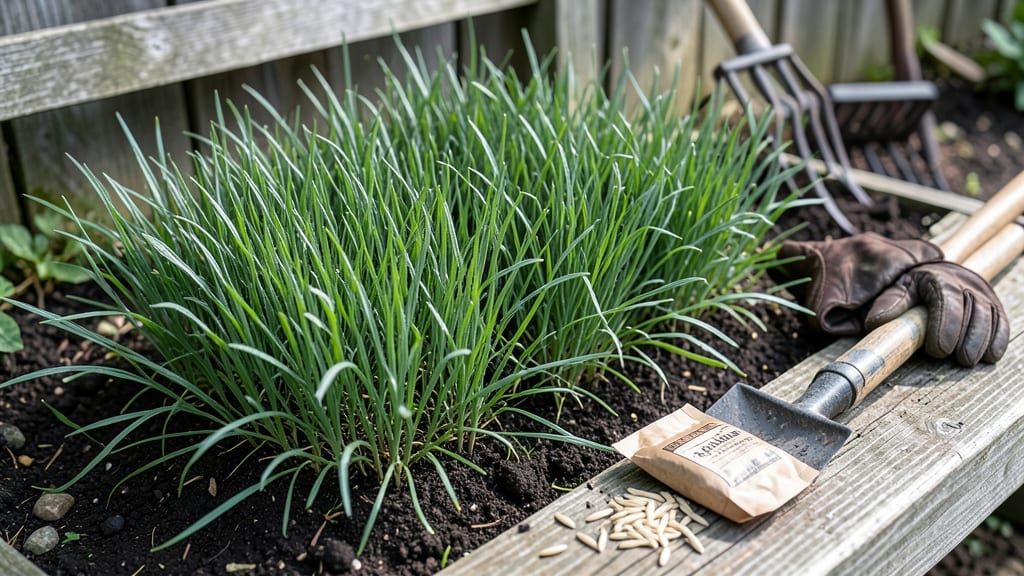
Planting winter rye 🌾 in Texas isn’t just about timing—it’s about survival. If you get the schedule wrong, you’ll either watch your seeds fry in September’s heat or freeze before they take root.
The key is a narrow window where soil stays warm enough to germinate but cool enough to avoid bolting.
Most Texas gardeners swear by late summer to early fall, but the exact months depend on your region. North Texas needs seeds in the ground by early October, while South Texas can stretch planting until November.
This difference matters more than you might think—just a few weeks can mean the difference between a thriving cover crop and a failed experiment.
I’ve learned the hard way that rushing winter rye into the ground too early leads to stunted growth, while waiting too long risks frost damage. The solution? Focus on soil temperatures between 60°F and 80°F—that’s your sweet spot for reliable germination.
Let me walk you through the exact steps to time your planting perfectly, whether you’re in the Panhandle or the Rio Grande Valley.
You’ll also discover how to prep your soil, spot the first signs of trouble, and adjust for Texas’ unpredictable weather. By the end, you’ll know exactly when to plant winter rye in your part of the state—and how to give it the best shot at thriving through winter.
Optimal planting months for winter rye in Texas by region
Texas spans USDA zones 8a through 11, meaning frost dates vary dramatically from the Panhandle to the Rio Grande Valley. In North Texas (zones 8a-7b), the first frost typically arrives by mid-November, while South Texas (zones 9a-11) may see frost as late as January.
Planting winter rye too early risks bolting from summer heat, but delaying too long leaves seedlings vulnerable to early frosts.
For most of Texas, the ideal planting window falls between mid-August and mid-October. This timeline ensures seedlings establish roots before winter while avoiding the brutal summer heat.
In North Texas, aim for late August to early September, while South Texas gardeners can push planting until late September or early October due to milder winters.
Here’s how to adjust your planting schedule based on your Texas region:
| Region | USDA Zones | First Frost Date | Optimal Planting Window | Key Consideration |
|---|---|---|---|---|
| North Texas | 8a-7b | Mid-November | Late August–Early September | Avoid summer heat; prioritize root establishment before frost. |
| Central Texas | 8a-8b | Late November | Early August–Mid-September | Balanced window; monitor soil temps for germination. |
| South Texas | 9a-11 | January | Late August–Early October | Extend window with shade cloth; watch for late-season heat spikes. |
Soil temperature is your best indicator for planting success. Winter rye germinates best when soil temps drop below 85°F but stay above 50°F. Use a soil thermometer to confirm conditions—plant when temps hover around 70-75°F for consistent germination.
In North Texas, this typically aligns with early September, while South Texas may see ideal temps as late as October.
Microclimates play a huge role in Texas. If you’re in a cooler valley or near elevation changes, frost can arrive 2-3 weeks earlier than official forecasts. Conversely, urban areas like Austin or Dallas often experience heat islands, delaying frost by 10-14 days.
Adjust your planting date accordingly—err on the side of earlier if your area tends to cool faster.
For livestock forage, prioritize September planting to ensure a thick stand before winter grazing. If you’re growing winter rye for soil cover, you can push planting slightly later (up to mid-October) since the primary goal is root biomass rather than rapid above-ground growth.
Always test your soil’s pH (6.0-7.0 ideal) and add compost or aged manure before seeding to boost nutrient availability.
Pro tip: In South Texas, where late-season heat lingers, opt for heat-tolerant varieties like ‘Avalon’ or ‘Grazemaster’. These hold up better to 90°F+ soil temps and extend your planting window by 2-3 weeks. Pair them with drip irrigation to maintain moisture without overheating the soil.
Remember, winter rye thrives on consistency. Once planted, maintain even moisture (about 1 inch per week) until seedlings reach 3-4 inches tall. After that, reduce watering to every 10-14 days unless Texas’ unpredictable rains intervene.
Mulch with straw to retain soil moisture and suppress weeds—critical in Texas’ dry spells.
🌾
Optimal planting months for winter rye in Texas by region
Texas’ vast climate zones mean North Texas and South Texas can’t follow the same planting calendar for winter rye. The first frost dates shift dramatically—from mid-November in the Panhandle to late December in South Texas.
To nail your timing, I’ll break it down by region, so you plant 4-6 weeks before frost without risking heat stress.
For North Texas (USDA Zones 8a-8b), aim to plant winter rye between mid-August and mid-September. This gives seedlings time to establish before temperatures dip below 20°F. In Central Texas (Zones 8b-9a), stretch your window to late August through early October, as frost arrives later.
Meanwhile, South Texas (Zones 9b-11) can plant as late as early October, thanks to milder winters.
Why the difference? Winter rye thrives when soil temps drop below 70°F but stays above freezing. Plant too early in South Texas, and you’ll trigger premature bolting—the plant will flower and seed before winter sets in. Too late, and frost will kill tender seedlings before they root.
🌾 Texas Winter Rye Planting Windows by Region
| Region | USDA Zone | First Frost | Ideal Planting Window | Key Consideration |
|---|---|---|---|---|
| North Texas | 8a-8b | Mid-November | Mid-August–Mid-September | Soil cools faster; plant early to avoid heat stress. |
| Central Texas | 8b-9a | Late November | Late August–Early October | Balanced window; avoid early September heat spikes. |
| South Texas | 9b-11 | Late December | Early–Mid-October | Later frost allows extended planting; monitor for bolting. |
💡 Pro Tip: Use a soil thermometer to confirm temps are below 70°F before planting—this prevents bolting.
Microclimates complicate things further. If you’re in a valley or low-lying area, frost arrives earlier than higher elevations. I’ve seen East Texas farmers plant 2 weeks earlier than their neighbors in West Texas due to these differences.
Always check local frost dates from your AgriLife Extension office or a trusted weather service like Almanac.com.
Another trick? Plant a test strip in early September to gauge your local conditions. If seedlings bolt by mid-October, shift your main planting to late September. This trial-and-error method saves you from wasted seed and poor coverage.
For livestock forage, prioritize early September plantings in North Texas to ensure a thick winter stand. In South Texas, where winters are milder, you can afford to plant later—but don’t wait past October 15, or you risk slow establishment before the first frost.
Remember, winter rye’s primary purpose—whether for soil protection or animal feed—relies on a dense, healthy stand. Planting at the right time ensures you get that lush, frost-resistant cover you’re after. 🌱