
Flowers
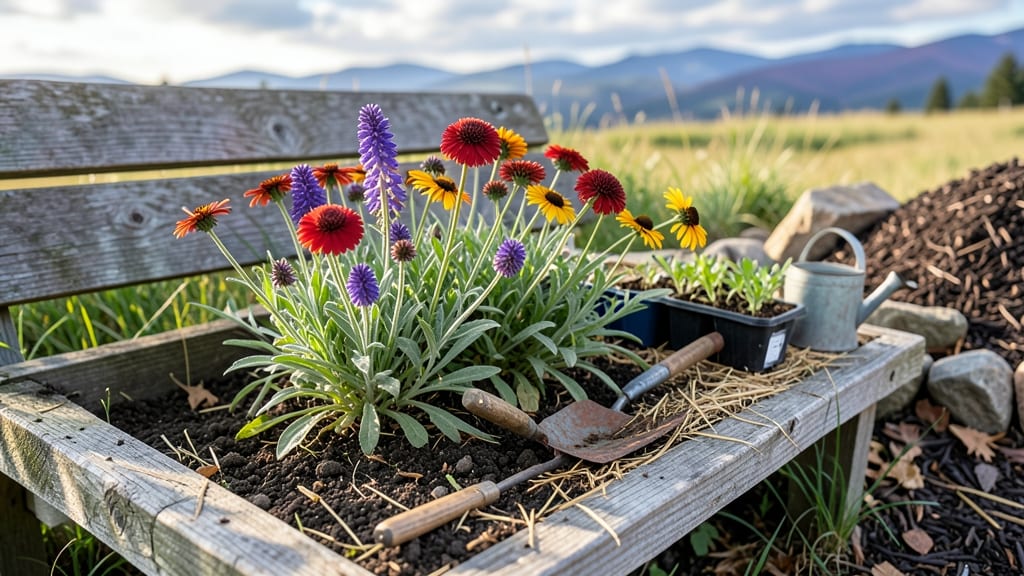
Timing your flower planting in Colorado can make the difference between a garden bursting with 🌸 vibrant blooms and one that never quite takes off.
Unlike other states, Colorado’s diverse climate—from high-altitude mountains to the Front Range—means your planting window varies dramatically by region, and getting it wrong could leave your flowers struggling against early frosts or scorching heat.
If you’ve ever wondered why some gardens thrive while others fail, the answer often lies in knowing when to plant. For Colorado’s USDA zones 5-7, the ideal window stretches from late April to early June, but high-altitude areas might need to wait until early June.
Meanwhile, fall planting in August-September offers a second chance for hardy varieties, like coneflowers and black-eyed Susans, to establish roots before winter.
In this guide, I’ll break down the exact deadlines you need to avoid frost damage, whether you’re in the Denver metro area, the Western Slope, or the Eastern Plains.
You’ll also discover how to extend your planting season with simple tricks—like using row covers or choosing cold-hardy flowers—that work even in Colorado’s unpredictable weather.
Ready to turn your garden into a year-round showstopper? Let’s dive into the best times to plant for your specific zone, so you can enjoy lush, long-lasting blooms from spring to fall.
Colorado’s last frost dates by planting Zone: your critical deadlines
Colorado’s diverse microclimates mean your last frost date could vary by weeks depending on elevation and location. For example, Denver’s Front Range (USDA Zone 5-6) typically sees its last spring frost around May 1, while high-altitude areas like Leadville (Zone 4) may wait until June 15.
These dates are your planting gateways—getting them wrong risks frost damage or stunted growth.
Understanding your local frost dates is critical because tender annuals like marigolds or petunias won’t survive even light frosts. Meanwhile, cold-hardy perennials like columbines or coneflowers can handle late spring frosts with ease. Below, I’ve broken down Colorado’s planting zones with last frost averages to help you plan.
| Region | USDA Zone | Last Spring Frost | First Fall Frost | Frost-Free Days |
|---|---|---|---|---|
| Front Range (Denver, Boulder) | 5-6 | April 25 - May 10 | October 1 - 15 | 120-150 |
| Eastern Plains (Fort Collins, Greeley) | 4-5 | May 1 - 15 | September 20 - October 5 | 100-130 |
| Western Slope (Grand Junction, Aspen) | 6-7 | April 10 - 20 | October 15 - 30 | 160-190 |
| High Altitude (Leadville, Crested Butte) | 3-4 | June 1 - 15 | September 1 - 15 | 80-110 |
🌡️ Note: Check local Almanac records for yearly variations—last frosts can shift by 1-2 weeks.
If you’re planting bulbs in fall (like tulips or daffodils), aim for 6-8 weeks before your first frost. For high-altitude gardens, this might mean planting by mid-August, while lower elevations can wait until early October.
Always test soil temperature—it should be below 60°F for bulb planting.
For spring planting, wait until soil temperatures reach at least 50°F (use a soil thermometer to check).
This usually aligns with your last frost date, but warmer microclimates (like urban heat islands) may allow earlier planting. Annuals like zinnias or cosmos thrive in these conditions and can handle light frosts if established.
Don’t overlook fall planting—it’s a great strategy for cool-season flowers like pansies or snapdragons. Plant 6-8 weeks before your first frost to give roots time to establish before winter.
In Zone 5-6, this means late August to early September, while higher elevations should plant by mid-August.
Pro tip: Use row covers or cold frames to extend your planting window by 2-3 weeks in spring or fall. These tools create microclimates that protect young plants from late frosts or early chills.
I’ve used them to plant marigolds in early April in Denver with no frost damage—just monitor weather forecasts closely.
One common mistake is planting
Best flowers to plant in Colorado by season: matching blooms to your local climate
Colorado’s unique climate zones demand smart flower choices to thrive year-round. Native wildflowers like columbines and penstemons are perfect for high-altitude gardens, while heat-tolerant annuals like marigolds shine in the Front Range’s summer sun. The key? Matching plant hardiness to your last frost date and seasonal conditions.
Spring is ideal for cool-season bulbs like tulips and daffodils, which bloom before summer heat arrives. Perennials like coneflowers and black-eyed Susans thrive when planted in late summer or early fall, giving roots time to establish before winter.
Even annuals like snapdragons can handle Colorado’s short growing season if planted at the right time.
🌸
🌱 Spring Planting (March-May)
- 🌷 Tulips & Daffodils – Plant bulbs in late fall for spring blooms; USDA Zones 3-7.
- 🌼 Pansies & Violas – Hardy annuals that tolerate light frost; plant after last frost date.
- 🌿 Columbines – Native perennials for partial shade; plant in early spring.
☀️ Summer Planting (June-August)
- 🌻 Marigolds & Zinnias – Heat-loving annuals for full sun; sow after May 15.
- 🌺 Petunias & Geraniums – Thrives in containers or garden beds; plant after last frost.
- 🌼 Black-Eyed Susans – Drought-tolerant perennial; plant in early summer.
🍂 Fall Planting (September-October)
- 🌼 Coneflowers & Sedum – Late-season bloomers; plant 6-8 weeks before first frost.
- 🌿 Penstemons – Cold-hardy perennial for high-altitude gardens; plant in early fall.
- 🌱 Spring Bulbs – Plant tulips, crocuses, and hyacinths in October for next year.
For high-altitude gardens (6,000+ ft), opt for hardy varieties like alpine roses or glacier lilies, which handle cooler temps and intense sunlight. In drier regions like the Western Slope, choose drought-resistant blooms like yarrow or blanket flower to conserve water.
Pro tip: Mulch heavily after planting to retain moisture and protect roots from temperature swings. Native Colorado flowers like beebalm and blanket flower require minimal watering once established, making them ideal for low-maintenance gardens.
🌿