
Plants
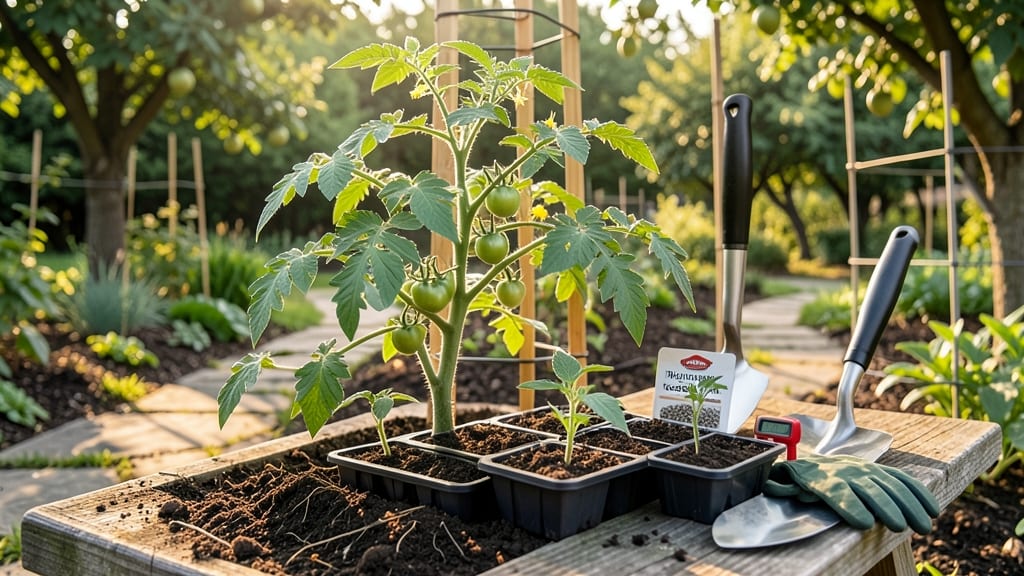
Planting tomatoes in Tennessee at the wrong time can mean the difference between a bountiful harvest and a sad, wilted 🍅 pile—so getting the timing right is everything.
The best window to plant your tomatoes opens after the last frost, typically between mid-April and early June, depending on your exact USDA zone within the state.
Why does this matter? Because Tennessee’s climate varies from 6a to 8a, and a late frost in the mountains can wipe out seedlings while urban areas might be ready weeks earlier.
I’ll break down the exact frost-free dates for your zone and how to adjust for microclimates—whether you’re in Nashville, Knoxville, or the Smoky Mountains.
You might be wondering: Should you start seeds indoors or go straight to the garden? The answer depends on your variety and when you’re ready to transplant.
I’ll walk you through the best methods for both approaches, plus pro tips to extend your growing season so you can keep harvesting until October.
With the right timing, you’ll be enjoying vine-ripened tomatoes all summer long—no more store-bought blandness. Let’s get your garden on track for a juicy, homegrown harvest.
Tennessee’s frost-free zones & their ideal tomato planting dates
Tennessee spans USDA Hardiness Zones 6a-8a, meaning last frost dates vary dramatically—from late March in Memphis (Zone 7b-8a) to early May in the Smoky Mountains (Zone 6a). These differences create a 4-6 week window for planting tomatoes, depending on your location.
Understanding your zone helps you align planting with the 60°F soil temperature tomatoes crave to thrive.
For most Tennessee gardeners, the ideal planting window falls between mid-April and early June. However, this timeline shifts based on whether you're starting seeds indoors or transplanting young plants.
In Zone 6a (eastern Tennessee), wait until after May 15 to avoid late frosts, while Zone 8a (west Tennessee) gardeners can plant as early as mid-March under row covers.
Here’s how to pinpoint your exact planting window using local frost data:
| USDA Zone | Last Frost Date | Ideal Planting Window | Soil Temp Goal | Notes |
|---|---|---|---|---|
| 6a (e.g., Knoxville, Chattanooga) | Late April - Early May | May 1 - June 1 | 60°F+ | Use row covers for early starts |
| 7a (e.g., Nashville, Cookeville) | Mid-April | April 15 - May 15 | 60°F+ | Best for early varieties |
| 7b (e.g., Memphis, Jackson) | Late March | March 20 - April 30 | 60°F+ | Longer growing season |
| 8a (e.g., Nashville outskirts, western TN) | Mid-March | March 1 - April 15 | 60°F+ | Can plant twice: spring + fall |
If you’re unsure of your exact last frost date, check the National Weather Service or local Cooperative Extension Service for your county. For example, Nashville (Zone 7a) averages its last frost on April 15, while Chattanooga (Zone 6b) often sees frost until May 1.
Planting too early risks frost damage, but waiting too long may mean summer’s heat arrives before harvest.
For Zone 6a gardeners, consider using black plastic mulch or row covers to warm soil faster and extend the season. These tools can push your planting window 2-3 weeks earlier by raising soil temperatures 5-10°F.
In Zone 8a, you can even plant a second crop in late summer for a fall harvest before the first frost.
Tomatoes thrive in warm soil and air, so always test soil temperature with a soil thermometer. Aim for 60°F for seeds and 65°F for transplants. If your soil is cooler, wait 1-2 weeks—rushing leads to poor germination or stunted growth.
Pro tip: Dark-colored containers absorb heat faster than light ones, making them ideal for container gardening in cooler zones.
Stagger your plantings by 2-3 weeks to ensure a continuous harvest. For instance, in Zone 7a, plant early varieties (e.g., 'Stupice') on April 15, mid-season (e.g., 'Better Boy') on May 1, and late-season (e.g., 'Brandywine') on May 15.
This strategy maximizes your yield and spreads out the workload.
Remember, microclimates matter. Urban areas like Nashville’s downtown may experience heat islands with earlier last frosts, while rural valleys can stay colder longer. Observe your garden’s unique conditions for 3-5 years to refine your planting schedule. Keep a gardening journal to track what works best each year!
🌱
Best tomato varieties for Tennessee’s climate & when to plant them
Tennessee’s diverse climate zones (6a-8a) mean some tomato varieties thrive better than others. Heat-tolerant types like ‘Celebrity’ or ‘Solar Fire’ handle the 90°F+ summers in Middle Tennessee, while early-season varieties like ‘Stupice’ or ‘Mountain Merit’ work better in Zone 6a areas with shorter growing seasons.
Choosing the right variety ensures a longer harvest window and better disease resistance.
For cherry tomatoes, plant ‘Sweet 100’ or ‘Sun Gold’ in late April to early May—they ripen quickly (60-70 days) and handle Tennessee’s humidity well. Heirloom varieties like ‘Brandywine’ or ‘Cherokee Purple’ need longer growing seasons (80-90 days), so start them indoors in March and transplant after the last frost (mid-April).
Early-Season Varieties
- ✅ 60-70 days to maturity
- ✅ Ideal for Zone 6a (Northeast TN)
- ✅ Plant late April for harvests by July
Late-Season Varieties
- ✅ 80-90 days to maturity
- ✅ Best for Zones 7-8 (Middle/South TN)
- ✅ Plant mid-April to early May for fall harvests
Heat-Tolerant Varieties
- ✅ Thrives in 90°F+ temps
- ✅ ‘Solar Fire’ or ‘Heatmaster’
- ✅ Plant mid-May in Zone 7+
Disease-Resistant Varieties
- ✅ Resists blight & fusarium wilt
- ✅ ‘Mountain Merit’ or ‘Defiant PhR’
- ✅ Plant early May for longer harvests
If you’re in Northeast Tennessee (Zone 6a), prioritize early-maturing varieties like ‘Early Girl’ or ‘Patio’ (dwarf). These can be planted as soon as soil warms to 60°F (often late April), giving you a July harvest before summer heat peaks.
In Middle Tennessee (Zone 7a), you’ve got more flexibility—plant ‘Better Boy’ or ‘Arkansas Traveler’ in early May for a June-October harvest.
For Southwest Tennessee (Zone 8a), where summers are long and hot, focus on heat-loving varieties like ‘Solar Fire’ or ‘Heatmaster’. These can handle the intense sun and still produce until first frost (often mid-October).
Plant them in mid-May to avoid early blight, which thrives in Tennessee’s humid springs.
Pro tip: Stagger your plantings by 2-3 weeks to extend your harvest. For example, plant ‘Sweet 100’ cherries in late April, then ‘Beefsteak’ varieties in early May. This ensures you’re picking tomatoes from June through September without gaps.
Just remember: indeterminate varieties (like ‘Sungold’) keep producing all season, while determinate types (like ‘Roma’) fruit all at once.
Finally, avoid planting tomatoes in the same spot every year—Tennessee’s soil-borne diseases (like verticillium wilt) thrive in repeated plantings. Rotate with beans, squash, or herbs to keep your soil healthy.
With the right variety and timing, you’ll be feasting on homegrown tomatoes from summer to early fall—no grocery store can beat that! 🌱