
Companion Plants
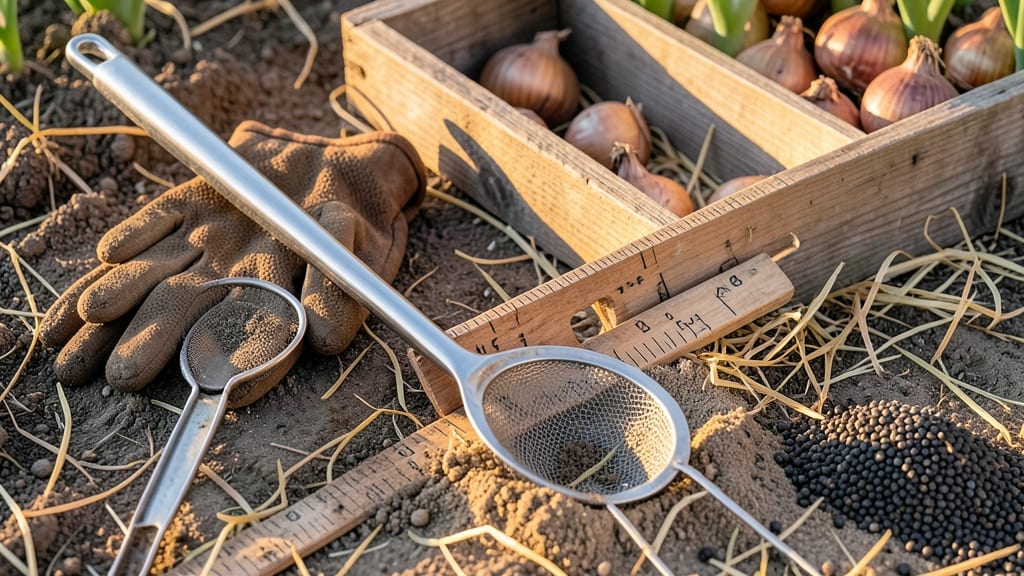
Timing your fall bulb planting perfectly ensures vibrant spring blooms—but get it wrong, and you’ll waste money on bulbs that rot before they bloom.
The key lies in understanding your hardiness zone and the chill needs of your favorite 🌱 Bulbs (General), like daffodils or tulips, which crave 6-8 weeks before the first frost to establish roots.
In Zone 6a, where I garden, the ideal window stretches from early September through mid-November—just before the ground freezes solid. Planting too early risks bulbs sprouting prematurely, while waiting too late can leave them vulnerable to winter’s harsh conditions.
The goal? Give them time to root but not so much that they wake up too soon.
This isn’t just about dates, though. Soil temperature matters just as much—bulbs need the ground to cool to 60°F or below before going in. That’s why I always check my local frost forecast and adjust my schedule accordingly. A little planning now means a more efficient garden next spring.
Ready to avoid common mistakes and maximize your blooms? I’ll walk you through zone-specific deadlines, soil prep tips, and how to tell if your bulbs are happy (or headed for trouble). Let’s get started!
Fall bulb planting deadlines by USDA hardiness Zone
Planting bulbs at the right time in fall ensures they establish strong roots before winter—but the perfect window depends entirely on your USDA hardiness zone and local frost patterns. In Zones 3-5, where winters are harsh, aim for 6-8 weeks before the first frost (typically mid-September to early October).
Meanwhile, Zones 6-10 have more flexibility, with ideal planting dates stretching from late September to November.
For example, if you live in Zone 7 (like much of the Midwest), your last chance to plant is usually around November 15, while Zone 9 gardeners can still tuck in bulbs in early December.
The key is to plant when soil temperatures drop to 60°F (15°C)—this signals bulbs to stop growing and focus on root development.
Pro tip: Check your local frost-free date (average first frost) and count backward. Most bulbs need 4-6 weeks of cool soil before freezing temperatures arrive. Use this zone-specific table to pinpoint your exact planting window:
| Zone | Ideal Planting Window | Last-Chance Date | Bulb Examples |
|---|---|---|---|
| 3-4 | Mid-September to early October | October 15 | Tulips, Daffodils, Alliums |
| 5-6 | Late September to mid-November | November 15 | Hyacinths, Crocuses, Snowdrops |
| 7-8 | October to December 1 | December 10 | Lilies, Fritillaries, Muscari |
| 9-10 | November to early December | December 15 | Caladiums, Begonias (tender bulbs) |
*Adjust for early/late frosts in microclimates (e.g., valleys freeze faster than hills).
Microclimates can shift your planting window by 2-4 weeks. For instance, a low-lying area might freeze earlier than a south-facing slope, so monitor soil temps with a soil thermometer (aim for 50-60°F).
If your ground stays warm late, opt for earlier-blooming varieties like crocuses or snowdrops, which tolerate brief cold snaps.
Another critical factor is bulb type. Hardy bulbs (e.g., daffodils, alliums) handle cold well, while tender bulbs (e.g., dahlias, cannas) need to be planted after the last frost in spring.
Always check the packaging for zone recommendations—some bulbs even list chill hour requirements (more on that in the next section!).
Don’t wait until the last minute to plant! Bulbs need time to develop roots before the ground freezes. If you’re in Zone 6 and your frost date is November 15, aim to finish planting by October 15.
Use this rule of thumb: Soil should be cool but workable—not soggy or frozen. A simple fist test works: If the soil crumbles when squeezed, it’s ready!
For container gardening, follow the same zone guidelines but plant bulbs 1-2 weeks earlier since pots warm up faster. Use well-draining potting mix and place containers in a shady spot once planted to prevent overheating. Mulch with 2-3 inches of straw after planting to insulate roots and retain moisture.
Remember: Early planting isn’t better—bulbs planted too soon may sprout and get damaged by early frosts. The goal is to give them enough time to root but not enough to grow above ground.
For Zone 5 gardeners, this often means starting in late September rather than August. Balance is key!
🌱
How chill requirements determine your planting timeline
Not all bulbs need the same amount of winter chill to bloom spectacularly in spring. For example, tulips and hyacinths typically require 12-16 weeks of temperatures below 40°F (4°C), while daffodils and crocuses can thrive with just 8-10 weeks.
Understanding these chill hours is key to choosing the right bulbs for your climate and adjusting your planting schedule accordingly.
In colder regions like USDA Zones 3-5, most traditional bulbs will perform well because they naturally receive enough chill. However, in warmer zones (6-10), you’ll need to select bulbs with lower chill requirements or use cooling tricks like pre-chilling bulbs in your refrigerator for 6-8 weeks before planting.
This mimics the winter dormancy they’d get in colder climates.
For instance, snowdrops and grape hyacinths are excellent choices for Zones 7-10 because they only need 4-6 weeks of chill. On the other hand, classic tulips might struggle in Zone 8 unless you plant them early in late September to maximize their exposure to cooler temperatures before winter sets in.
To calculate your area’s chill hours, check local weather data for the number of hours below 45°F (7°C) during winter. Many cooperative extension services provide this data for free.
If you’re unsure, start with low-chill bulbs like daffodils or alliums, which are more forgiving and adaptable to a range of climates.
Adjusting your planting timeline based on chill needs is easier than you think. For example, in Zone 9, plant high-chill bulbs like tulips in late October or November to give them a head start on winter.
In contrast, Zone 5 gardeners can plant most bulbs as early as mid-September without worrying about them sprouting too soon.
Remember, the goal is to give bulbs enough time to establish roots before the ground freezes, but not so early that they start growing in warm fall weather. This balance ensures they’ll bloom beautifully next spring, regardless of your local climate. 🌱