
Companion Plants
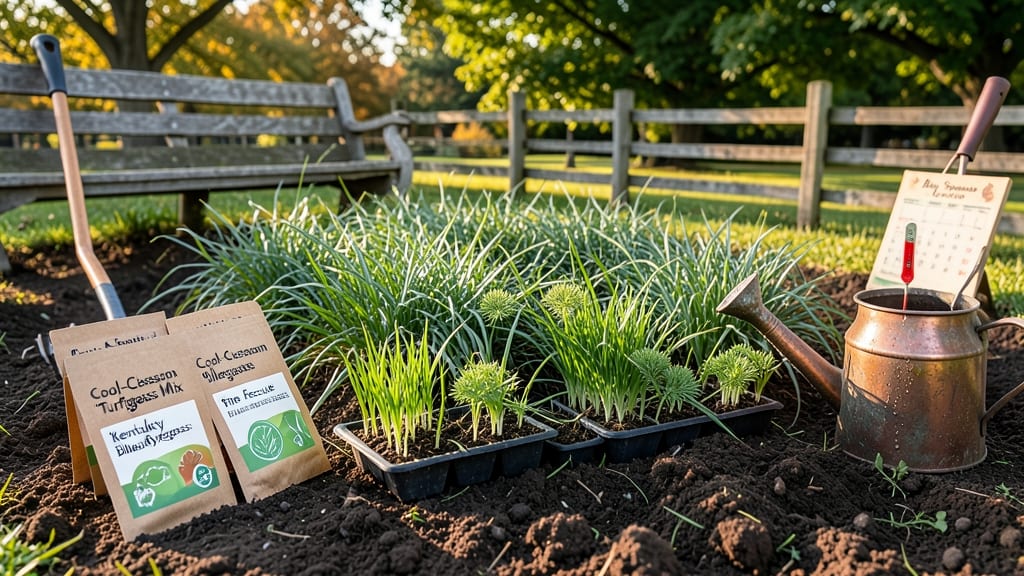
Planting grass seed in Michigan at the wrong time can leave you staring at bare patches for months—especially when frost sneaks back or summer heat turns your lawn into a crispy desert.
The key to fast, lush grass lies in knowing your microclimate, whether you're in the Upper Peninsula's cooler Zone 5 or Southern Michigan's slightly milder Zone 6.
Most gardeners assume "spring" means March, but that’s where Michigan’s tricksy weather bites back. Too early, and frost zaps your seed; too late, and weeds steal the show. The best window for cool-season grasses—like Kentucky bluegrass—is actually April through early May, when soil warms to 55–65°F and stays frost-free.
But here’s the game-changer: Fall planting (September–October) often outperforms spring, giving roots time to establish before winter. I’ll break down exactly when to plant in your specific corner of the state, plus 3 critical factors most Michiganders overlook—so you can skip the guesswork and get that 🌱 green carpet growing.
Ready to ditch the patchy lawn? Let’s lock in your planting timeline—no more waiting for "perfect" conditions that never arrive.
Michigan’s ideal grass seed planting windows by region (northern vs southern climates)
Michigan’s diverse climate zones mean your planting timeline depends heavily on whether you’re in the Upper Peninsula, Northern Lower Peninsula, or Southern Michigan. Each region has unique last frost dates and soil warming patterns that dictate the perfect window for seed germination.
For example, Marquette typically waits until late April, while Detroit can start as early as mid-March—a 6-week difference that impacts root establishment success.
Cool-season grasses like tall fescue and Kentucky bluegrass thrive when planted in early spring (March–April) or early fall (September–October). The key is ensuring soil temperatures stay between 55–65°F—too cold, and seeds won’t sprout; too hot, and they risk drying out.
Warm-season grasses like Bermuda or Zoysia prefer late spring (May–June), but they’re less common in Michigan’s cooler summers.
Southern Michigan’s longer frost-free season (up to 180 days) gives gardeners a wider window, while the Upper Peninsula’s shorter season (120–150 days) demands earlier prep.
If you’re in Zone 5 (northern), aim for late April–early May; in Zone 6 (southern), you can start as early as mid-March without frost risk. Always check your local USDA frost map—it’s your best guide.
Here’s how Michigan’s three regions break down for optimal planting:
| Region | Ideal Planting Months | Soil Temp Threshold | Last Frost Date | Root Success Rate |
|---|---|---|---|---|
| Upper Peninsula (Zone 4-5) | Late April–Early May | 55–60°F | Mid-May | 85–90% |
| Northern Lower Peninsula (Zone 5) | Early April–Mid-May | 55–65°F | Late April–Early May | 90–95% |
| Southern Michigan (Zone 6) | Mid-March–Early April | 50–60°F | Mid-April | 95–100% |
| Fall Planting (All Regions) | September–October | 60–65°F | N/A | 80–85% |
Fall planting is often underestimated in Michigan but offers cooler soil temps and fewer weeds than spring. Seedlings establish roots before winter, giving you a head start in spring. However, avoid planting after mid-October—new growth won’t harden off before frost.
For fastest results, aim for September’s first half when daytime temps hover around 70°F but nights dip into the 50s.
Microclimates within regions also matter. Urban areas like Grand Rapids or Ann Arbor may experience earlier soil warming due to pavement and buildings, while rural farmland stays cooler longer. If you’re unsure, use a soil thermometer—plant when temps hit 55°F for 5 consecutive days.
This simple tool eliminates guesswork and ensures your seed-to-soil contact is optimal for germination.
Pro tip: Northern Michigan gardeners can extend their spring window by covering seeds with frost blankets after planting. This creates a mini greenhouse effect, accelerating root growth by 10–14 days. Just remove the blankets once daytime temps consistently stay above 60°F to avoid overheating.
For Southern Michigan, focus on preparing soil in February—tilling and adding compost—so it’s ready to plant as soon as the last frost passes.
Timing isn’t just about months—it’s about soil readiness. A moist, loose seedbed with no crust on top is critical. In Michigan’s clay-heavy soils, amend with sand or peat moss to improve drainage.
If your soil feels cold or compacted, wait a week or two. Patience here pays off with deeper roots and drought-resistant grass
5 Critical factors that determine your perfect planting timeline in Michigan
Michigan’s grass seed planting success hinges on more than just picking a month—your local microclimate and seed type create a complex equation.
The 5 critical factors below will help you pinpoint the exact window for your lawn’s best start, whether you’re in southern Michigan’s warmer zones or the Upper Peninsula’s cooler climate.
First, soil temperature is your #1 guidepost. Cool-season grasses like Tall Fescue and Kentucky Bluegrass thrive when soil hits 50-65°F, while warm-season Bermuda grass needs 65-75°F.
Using a soil thermometer ($10 at garden centers) prevents costly mistakes—planting too early risks frost damage, while waiting too long delays root growth.
Next, rainfall patterns dictate your watering workload. Southern Michigan’s May-June rain reduces irrigation needs, while the Upper Peninsula’s dry springs may require daily watering. Check NOAA’s 30-day forecasts before planting to align with natural moisture cycles.
Don’t overlook weed competition—your grass seed needs 4-6 weeks of uninterrupted growth to establish roots before weeds like crabgrass (which germinates at 55°F soil) take over. For example, planting Kentucky Bluegrass in late April gives it a head start before weeds sprout in May.
Your grass type also shifts timing dramatically. Cool-season grasses (like Tall Fescue) love Michigan’s spring and fall, while warm-season Bermuda grass demands late May-July heat. Mixing types? Plant cool-season first in spring, then warm-season later when soil warms.
Finally, frost dates are your hard deadline. Northern Michigan’s last frost typically arrives May 15, while Southern Michigan sees first frost October 10. Plant 2 weeks before your last frost to avoid seed washout from spring rains or winter kill if planted too late.