
Planting
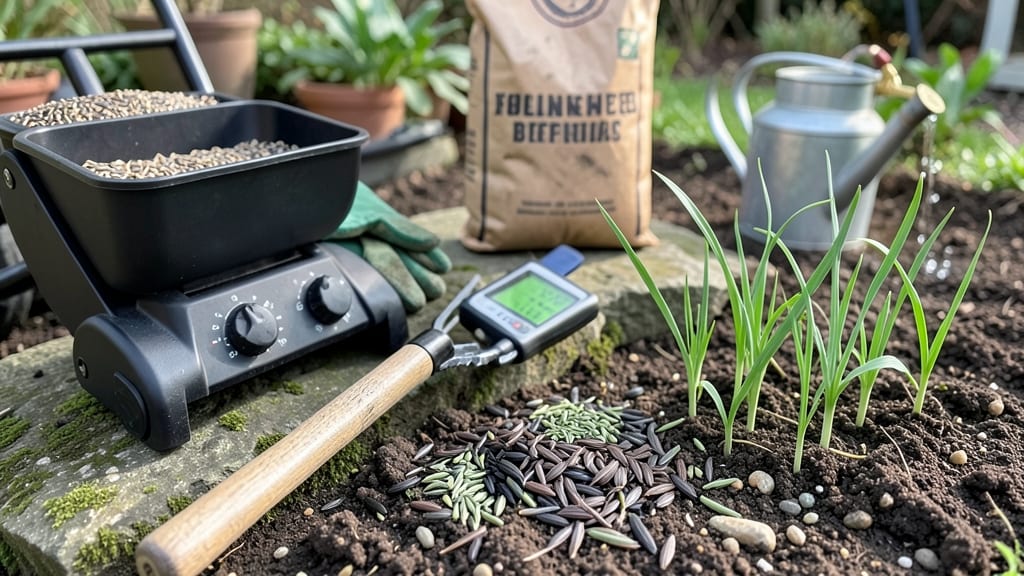
Planting grass seed at the wrong time in North Carolina can leave you staring at bare patches instead of that dreamy green lawn you crave—especially with our state’s wild mix of humid summers and chilly winters.
I’ve seen firsthand how a single wrong week can mean the difference between thick, vibrant 🌱 turfgrass and struggling seedlings that never quite take hold. The key isn’t just picking a month—it’s understanding your region’s frost dates, soil temperatures, and even rainfall patterns.
Let’s break down exactly when to plant for lush results, whether you’re in the Piedmont, Coastal Plain, or Mountains.
Cool-season grasses like fescue thrive when soil hits 60°F+, while warm-season types like Bermuda need 70°F+—and North Carolina’s microclimates mean those temps arrive at different times.
I’ll share the precise windows (and what to watch for) so you can time it right, whether you’re seeding in spring or fall.
Ready to skip the guesswork? You’ll learn how to prep your soil, adjust for drought, and even troubleshoot common mistakes—so your lawn starts strong and stays that way. Let’s get growing!
Optimal soil temperature ranges for planting grass seed in North Carolina
North Carolina’s diverse climate—from the Coastal Plain’s humidity to the Mountains’ cooler temperatures—means soil temperature is your #1 guide for planting grass seed successfully. Cool-season grasses like tall fescue thrive when soil temps hover between 50–65°F, while warm-season varieties like Bermudagrass need 65–75°F to germinate reliably.
Using a soil thermometer (just $10 at garden centers) ensures you’re planting at the perfect time, not guessing.
In Piedmont regions (Raleigh, Greensboro), spring soil temps hit 60°F+ by early April, making this the ideal window for cool-season grasses. Meanwhile, Mountain areas (Asheville, Boone) may wait until late April or even May due to lingering cool nights.
Warm-season grasses in the Coastal Plain (Wilmington, Fayetteville) can start as early as mid-March when soil warms quickly.
Pro Tip: Check soil temps in the late afternoon (when it’s warmest) for the most accurate reading. If temps dip below 50°F at night, cool-season seeds may struggle to germinate. For warm-season grasses, avoid planting until soil stays above 65°F for 5+ days—this prevents seed rot and ensures strong root growth.
Here’s how soil temperature directly impacts your grass type:
| Grass Type | Ideal Soil Temp (°F) | Best NC Region | Planting Window |
|---|---|---|---|
| Tall Fescue (Cool-Season) | 50–65°F | Piedmont, Mountains | Early April–May |
| Kentucky Bluegrass (Cool-Season) | 55–68°F | Coastal Plain, Piedmont | Late March–April |
| Bermudagrass (Warm-Season) | 65–75°F | Coastal Plain, Piedmont | Mid-April–June |
| Zoysia (Warm-Season) | 60–75°F | Mountains, Piedmont | Late April–May |
| Centipedegrass (Warm-Season) | 70–85°F | Coastal Plain | May–June |
For fall planting (another prime time in NC), aim to seed 4–6 weeks before your region’s first frost. In Raleigh, this means late August–early September, while Asheville may push to mid-September.
Cool-season grasses benefit from fall’s cooler temps and consistent moisture, leading to deeper root systems before winter.
If you’re in Zone 7b or 8a (most of NC), late August is your sweet spot for fall planting. Use a seed starter fertilizer (high in phosphorus) to jumpstart germination in these cooler conditions. Warm-season grasses, however, cannot handle fall planting—they’ll die back with frost.
Watch for soil moisture too: Dry soil heats up faster, so water deeply the day before checking temps. Aim for 1–1.5 inches of water per week to keep seeds hydrated without waterlogging. In drought-prone areas (like the Sandhills region), consider hydroseeding or mulching with straw to retain moisture.
Remember: Soil temp ≠ air temp. A sunny 70°F day can still have 55°F soil—always check below the surface. For accuracy, bury your thermometer 2 inches deep (where seeds will germinate) and leave it for 30 minutes before reading.
🌱
North Carolina’s frost-free dates by region: your planting window calendar
North Carolina’s diverse climate means frost-free dates vary dramatically from the Coastal Plain to the Mountains. Knowing your region’s last frost date is critical for timing grass seed planting—whether you’re seeding in spring or fall.
In most of NC, aim to plant 4–6 weeks before the first frost for fall seeding, or 2–4 weeks after the last frost in spring.
For example, Raleigh typically sees its last frost around March 15, while Asheville in the Mountains may wait until April 15. Coastal areas like Wilmington often have milder winters, with frost-free windows extending later into fall.
Always check local USDA Zone 6b-8a guidelines, as microclimates can shift planting windows by weeks.
Here’s your region-specific planting calendar to avoid early freezes or heat stress:
| Region | Last Frost Date | First Frost Date | Spring Planting Window | Fall Planting Window |
|---|---|---|---|---|
| Coastal Plain (Wilmington) | March 1–15 | November 20–December 5 | March 15–April 30 | August 15–October 15 |
| Piedmont (Raleigh/Charlotte) | March 15–April 1 | November 1–15 | April 1–May 15 | August 1–September 30 |
| Mountains (Asheville) | April 15–May 1 | October 15–November 1 | May 1–June 15 | July 15–September 15 |
For cool-season grasses like tall fescue or Kentucky bluegrass, prioritize fall planting (August–September) to establish roots before winter. Warm-season grasses such as Bermudagrass or Zoysia thrive when seeded in late spring (May–June), once soil temps hit 65°F+.
Pro tip: Use a soil thermometer to confirm temps—cool-season grasses need 50–65°F soil, while warm-season types prefer 70–85°F. Adjust your schedule if early heatwaves or late frosts disrupt typical patterns.
Missed the ideal window? Don’t panic—just prep your soil and wait for the next opportunity. Consistent moisture and light fertilization will keep your lawn healthy until conditions improve.