
Companion Plants
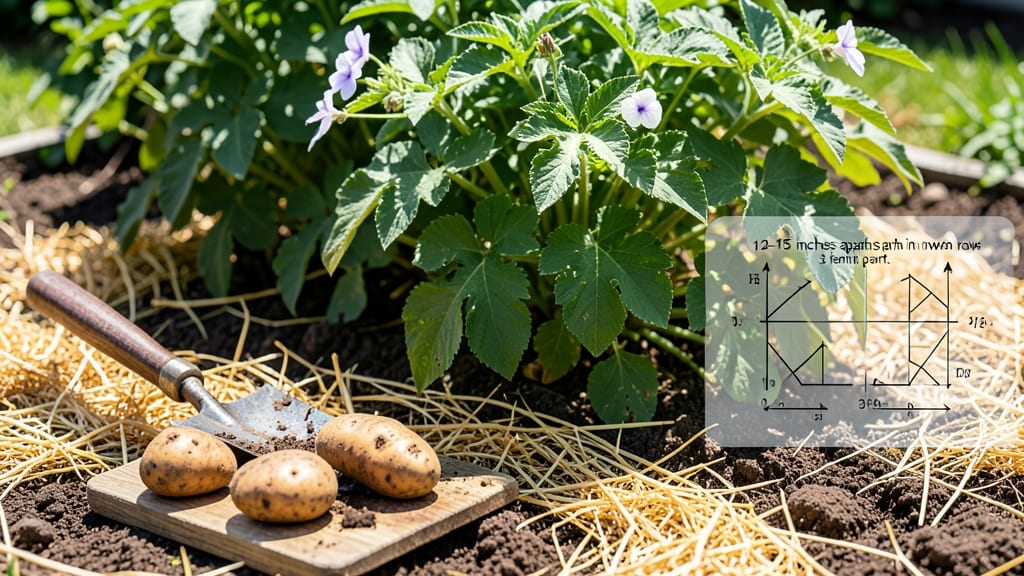
When should I plant potatoes in Zone 8? Timing your potato planting can make or break your harvest—get it wrong, and you might end up with stunted tubers or worse, a total loss. Unlike cooler climates, Zone 8’s mild winters and blazing summers demand a precise approach to avoid bolting or heat stress. The key is planting 4-6 weeks before your last frost, whether you choose early spring or fall.
Most gardeners in Zone 8 swear by planting 🥔 potatoes in February or March, but fall planting (September-October) is also a smart move for extended-season varieties. The trick? Soil temperature matters more than calendar dates—wait until the ground warms to 45°F before sticking those seed potatoes in.
Too early, and they’ll rot; too late, and you’ll miss the sweet spot for harvest.
Here’s the game-changer: Zone 8’s climate lets you play with two planting windows, but each comes with its own challenges. Spring plantings race against heat, while fall crops must dodge early frosts.
I’ll break down the exact timing, soil prep, and even how to spot when your potatoes are ready to pull—so you can avoid the costly mistakes that trip up even experienced growers.
Ready to turn your garden into a potato powerhouse? Let’s dive into the step-by-step strategy that’ll have you harvesting plump, disease-free tubers—no guesswork required.
Best planting windows for potatoes in Zone 8: spring vs fall strategies
Zone 8 gardeners enjoy a unique advantage with its mild winters and long growing seasons, but timing is everything when planting potatoes.
Unlike colder zones, you can successfully grow potatoes in both spring and fall, but each season requires different strategies to avoid heat stress or early frost damage. Let’s break down the best windows and what to watch for.
For spring planting, aim to get seed potatoes in the ground 4-6 weeks before your last frost date—typically between mid-February and early March in Zone 8. This timing ensures tubers establish roots before soil warms too quickly, reducing the risk of bolting (premature flowering).
In contrast, fall planting works best in late September to early October, allowing potatoes to mature before winter sets in.
Soil temperature is critical—potatoes sprout best when soil reaches 45°F (7°C). In Zone 8, this usually happens in early spring, but fall soil can stay warm longer, giving you a second chance. Use a soil thermometer to confirm readiness before planting.
🌱
| Planting Window | Ideal Soil Temp | Key Risks | Harvest Time |
|---|---|---|---|
| Mid-February to Early March | 45-55°F (7-13°C) | Late frost, bolting | April-May |
| Late September to Early October | 50-60°F (10-16°C) | Heat stress, early frost | October-November |
⚠️ Pro Tip: Use row covers in spring to protect from late frosts and mulch heavily in fall to insulate tubers.
Spring-planted potatoes benefit from cooler soil temperatures, which slow early growth and prevent bolting. However, if you plant too late, tubers may struggle to mature before summer heat sets in. For fall planting, prioritize early-maturing varieties like ‘Yukon Gold’ or ‘Red Norland’ to ensure harvest before first frost.
Zone 8’s hot summers can also stress potatoes, so avoid planting in June or July. Instead, focus on early spring or late fall for the best results.
If you’re unsure about your local frost dates, check your USDA Plant Hardiness Zone Map or consult a local extension office for precise guidance.
Another key factor is daylength. Potatoes respond to shorter days in fall, which can trigger earlier maturity. This makes fall planting ideal for second crops or extending your harvest season. Just be prepared to harvest quickly once foliage yellows—Zone 8’s nights cool faster than you might expect!
🌿
To maximize success, prepare your soil with compost or aged manure to improve drainage, as potatoes hate soggy conditions. In Zone 8, where summers can be dry, plan to water consistently—especially during tuber formation.
A drip irrigation system works best to deliver moisture directly to the roots without wetting the foliage, reducing disease risk.
Finally, consider container growing if your garden soil is heavy or poorly draining. Potatoes thrive in 5-gallon buckets or fabric grow bags, making it easier to control moisture and temperature. Just ensure containers have drainage holes to prevent rot.
☀️
Best planting windows for potatoes in Zone 8: spring vs fall strategies
Zone 8’s mild winters and long growing season give you two prime windows to plant potatoes: early spring and fall.
Unlike colder zones, you can avoid frost damage by timing carefully—spring planting should happen 4-6 weeks before your last frost date, while fall planting works 3-4 months before first frost to ensure tubers mature before cold sets in.
In Zone 8, your last frost date typically falls around January 15, meaning early spring planting starts in late December to February. Fall planting, however, offers a second chance with September-October windows—ideal for varieties like Yukon Gold or Red Pontiac that thrive in cooler fall temperatures.
Here’s how to compare your options:
| Planting Window | Ideal Months | Soil Temp Requirement | Key Risks | Best Varieties |
|---|---|---|---|---|
| Spring | February–March | 45–55°F (7–13°C) | Late frosts, bolting in heat | Russet, Kennebec |
| Fall | September–October | 50–60°F (10–16°C) | Premature frost, late blight | Yukon Gold, Red LaSoda |
For spring planting, aim to get seed potatoes in the ground by mid-February to ensure tubers form before summer heat arrives. Use black plastic mulch to warm the soil faster and deter weeds.
In contrast, fall planting benefits from cooler temps, reducing late blight risks—just cover young plants with row covers if frost threatens.
Zone 8’s long growing season (240+ frost-free days) lets you experiment with extended-season varieties like German Butterball, which tolerate heat better than traditional types. However, avoid planting too late in spring—temperatures above 80°F (27°C) can cause bolting (premature flowering), ruining your harvest.
Pro tip: Test your soil temperature with a soil thermometer—potatoes need 45°F (7°C) minimum to sprout. If your ground stays cooler, opt for earlier-maturing varieties (60–70 days) to beat the heat. For fall plantings, choose late-maturing types (100+ days) to fully utilize the season.
Remember, Zone 8’s unpredictability means monitoring weather forecasts. If a late frost warning appears, protect young plants with frost cloth or move containers indoors temporarily. With the right timing, you’ll enjoy homegrown spuds twice a year!