
Companion Plants
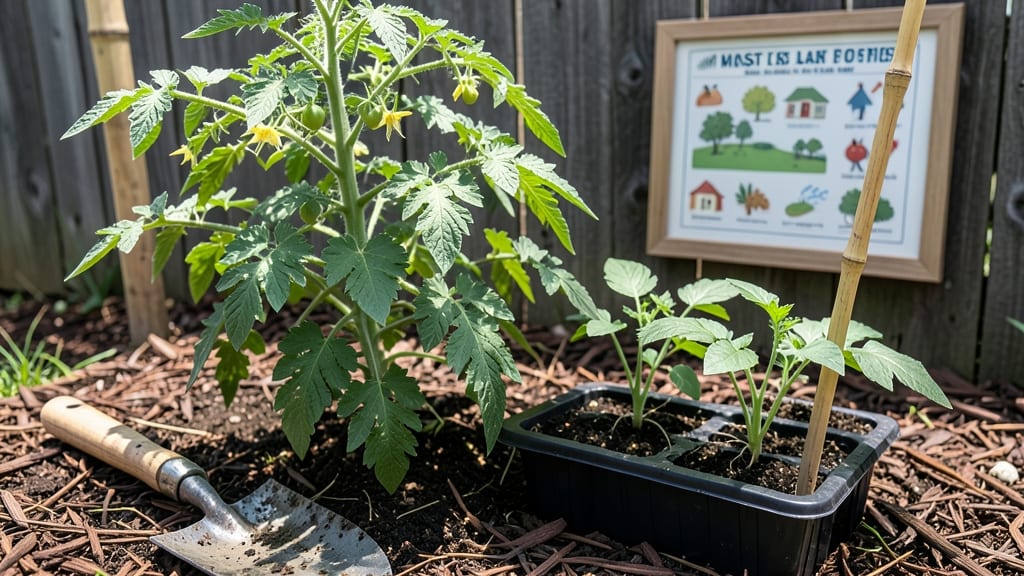
Planting tomatoes in Missouri isn't just about grabbing seeds and sticking them in the dirt—timing is the key to avoiding frost-killed seedlings or a harvest that never arrives.
With last frost dates creeping in around April 1 and heat-loving 🍅 varieties needing 60°F soil to thrive, knowing your exact planting window could mean the difference between a bumper crop and a sad, wilted vine.
Missouri’s 5b-7a zones mean your neighbors in St. Louis might have 2 weeks more growing time than someone in Kansas City, and those extra days can make or break your tomato dreams.
Whether you’re transplanting seedlings or direct-sowing, getting the timing right ensures your plants hit the ground running—no more waiting around for stubborn seeds to germinate in cool soil.
I’ve spent years perfecting my Missouri tomato schedule, and what I’m about to share will help you avoid the most common mistakes—like planting too early and watching frost turn your seedlings into sad, blackened sticks.
You’ll learn the exact frost-free deadlines for your region, the best heat-tolerant varieties for Missouri’s short season, and even how to stretch your harvest into fall with smart tricks.
Ready to grow tomatoes that actually produce? Let’s dive into the easiest way to time your planting for a garden full of juicy, vine-ripened 🍅 perfection—no guesswork required.
Missouri’s frost-free deadlines: when to plant tomatoes by region
Missouri’s climate varies dramatically from the northern bootheel (USDA Zone 6a) to the southern Ozarks (USDA Zone 7a). These differences mean your tomato planting window could shift by 3-4 weeks depending on where you live.
For example, St. Louis typically sees its last frost around April 15, while Kansas City might wait until May 1—a critical distinction for heat-loving tomatoes.
To time your planting perfectly, focus on two key factors: soil temperature and frost-free dates. Tomatoes need soil that’s at least 60°F for optimal germination. In Missouri, this usually aligns with mid-April to early May, but cooler springs (like 2021) can delay planting by 2-3 weeks.
Always check your local USDA Plant Hardiness Zone for precise timing.
Here’s a quick breakdown of Missouri’s regional planting windows based on historical frost data. Use this as your guide, but monitor your garden’s microclimate—urban areas like Columbia can be 3-5°F warmer than rural spots just 10 miles away.
| Region | Last Frost Date (Avg.) | Planting Window | Soil Temp Threshold | Notes |
|---|---|---|---|---|
| Northern Missouri (St. Joseph, Kirksville) | April 10–15 | April 20–May 5 | 60°F+ | Cooler microclimates; use black plastic mulch. |
| Central Missouri (Columbia, Jefferson City) | April 15–20 | April 25–May 10 | 60°F+ | Moderate risk of late frost; monitor forecasts. |
| Kansas City Metro | April 20–25 | May 1–10 | 60°F+ | Urban heat islands may allow earlier planting. |
| Southwest Missouri (Springfield, Joplin) | April 5–10 | April 15–25 | 60°F+ | Warmest zone; can plant cherry tomatoes as early as March 30. |
| St. Louis Area | April 15–20 | April 25–May 5 | 60°F+ | Mississippi River moderates temps; watch for river fog delays. |
If you’re planting seedlings (the most common method in Missouri), aim to transplant them 1-2 weeks after your region’s last frost date. Seedlings need time to establish roots before summer heat arrives. For direct sowing, wait until soil is consistently 60°F+—use a soil thermometer to avoid guesswork.
In cooler areas like Northeast Missouri, consider starting seeds indoors 6-8 weeks before your last frost date.
Missouri’s short growing season (about 180 frost-free days) demands quick-maturing varieties. If you plant too late, your tomatoes may not ripen before the first frost in October. To mitigate this, choose early-maturing hybrids (like ‘Early Girl’) or use season-extending tools like row covers or cold frames.
These strategies can add 2-3 weeks to your harvest window.
For urban gardeners in cities like Kansas City or St. Louis, container gardening is a great option. Plant in 5-gallon pots and place them on patios or balconies with full sun exposure. Containers warm up faster than garden soil, so you can plant 1-2 weeks earlier than in-ground plants.
Just ensure your containers have drainage holes to prevent root rot—a common issue in Missouri’s humid summers.
Pro tip: Use black plastic mulch to warm the soil and suppress weeds. This can shave off 1-2 weeks from your planting timeline by raising soil temperatures by 5-10°F.
Pair this with drip irrigation to keep roots consistently moist without wetting the foliage, which reduces the risk of fungal diseases like early blight—a persistent problem in Missouri’s humid climate.
Always double-check your local Almanac frost predictions or use the Missouri Botanical Garden’s frost calendar for real-time updates. Weather patterns shift yearly, and a late frost in May (like the 2019 event) can devastate early plantings.
When in doubt, err on the side of planting later—a delayed harvest is better than losing your entire crop to frost.
🌱
Best heat-loving tomato varieties for Missouri’s short growing season
Missouri’s warm summers and unpredictable weather make choosing the right tomato varieties critical for success. You’ll want early-maturing types that ripen before fall frosts, plus disease-resistant cultivars to fight humidity and blight. My top picks thrive in Missouri’s USDA Zones 5b-7a, balancing speed, flavor, and resilience.
Start with determinate varieties like 'Celebrity' or 'Roma' for compact bushes that set fruit quickly—ideal for container gardens in urban areas. These bush types mature in 60-70 days, giving you an early harvest before heat stress sets in.
For indeterminate vines, try 'Better Boy' or 'Sungold'—they produce all season but need staking and protection as temperatures drop.
🌱
🌿 Top Missouri Tomato Varieties
- 🍅 Early Girl – 50-60 days to ripe fruit; crack-resistant and prolific.
- 🍅 Mountain Merit – 70 days; disease-resistant (blight, fusarium) with sweet flavor.
- 🍅 Sungold – 60 days; cherry tomatoes, heat-tolerant, and vibrant orange.
- 🍅 Brandywine – 80 days; heirloom with rich flavor (best in cooler summers).
- 🍅 Roma – 70 days; determinate, great for sauces, and blight-resistant.
💡 Pro Tip: Pair tomatoes with basil or marigolds to repel pests and boost flavor!
For urban gardeners or small spaces, dwarf varieties like 'Tiny Tim' (48 days) or 'Patio Princess' (55 days) deliver big flavor in 5-gallon containers. Just ensure containers have drainage holes and use a balanced fertilizer (5-10-10) every 4-6 weeks to prevent nutrient deficiencies.
Missouri’s humid summers demand disease-resistant picks. Look for labels like 'VFN' (virus, fusarium, nematode resistant) on seeds or seedlings. 'Mountain Merit' and 'Defiant PhR' are my go-tos—they’ve survived Missouri’s worst blight years with minimal fuss.
Don’t overlook heirlooms like 'Cherokee Purple' for late-season harvests, but plant them in protected microclimates (e.g., near south-facing walls) to extend their growing window. If you’re succession planting, follow up with a fast-maturing variety like 'Early Girl' in late June for a fall harvest.
🌻 Remember: Soil temperature matters just as much as variety. Wait until soil reaches 60°F (use a soil thermometer!) before planting—cold soil delays germination and invites rot. Mulch with straw or black plastic to keep roots warm and moisture consistent.