
Planting
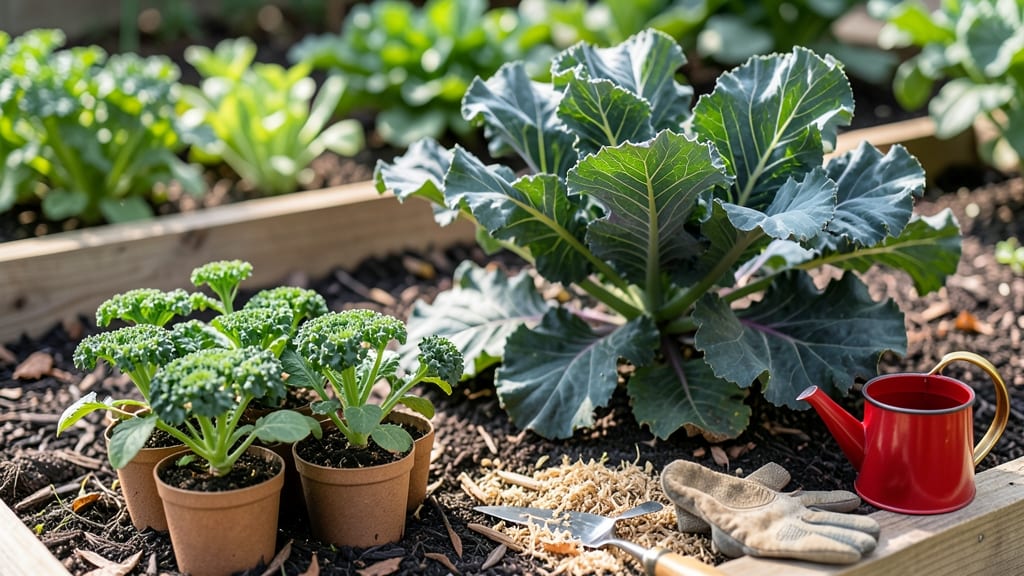
When should you plant a fall garden in Texas? Timing your fall garden in Texas isn’t just about luck—it’s about beating the heat before frost arrives. Plant too early, and your cool-season crops will bolt in the lingering summer sun; too late, and a sudden freeze could wipe out your harvest. The key is knowing exactly when to start seeds and set transplants for your specific region.
Texas spans from North Texas’s cooler highlands to the South’s balmy coastal plains, meaning frost dates vary wildly. Whether you’re in the Panhandle or the Rio Grande Valley, the right window ensures your broccoli, kale, and carrots mature before winter’s chill sets in.
Let’s break down the perfect planting schedule so you can enjoy a bountiful harvest.
Most Texas gardeners should start preparing their soil in early August, but the actual planting timeline shifts based on your zone. For example, North Texas gardeners can begin sowing hardy greens like spinach in late August, while South Texas growers might wait until September to avoid early heat stress.
The goal? Beat the first frost by 60-90 days for most crops.
Don’t let the summer heat fool you—fall gardens thrive when you plan ahead. I’ll show you how to adjust your schedule by region, choose the best crops for your climate, and protect your plants from Texas’s unpredictable weather. Ready to grow a garden that outlasts the heat?
Best planting dates for Texas fall vegetables by region
Texas’s diverse climate means your fall planting window depends heavily on your region. North Texas gardeners face earlier frosts, while South Texas enjoys milder winters. The key is planting cool-season crops after summer’s relentless heat but before the first frost.
For most of Texas, this means starting seeds 6-8 weeks before your average first frost date, with direct sowing 2-4 weeks later.
Let’s break it down by region. North Texas (Zones 7-8) typically has its first frost around mid-November, so aim to plant seeds indoors by early Augustlate August to early September.
Central Texas (Zones 8-9) can push planting until mid-September, while South Texas (Zones 9-10) may even plant cool-season crops like spinach in October with minimal frost risk.
Here’s the critical timeline you need to avoid heat stress or early frost damage. The table below shows optimal planting windows for popular fall crops, adjusted for each Texas region.
| Crop | North Texas (Zones 7-8) | Central Texas (Zones 8-9) | South Texas (Zones 9-10) |
|---|---|---|---|
| Broccoli | Seeds: Aug 1-15 Transplant: Sep 1-15 |
Seeds: Aug 15-Sep 1 Transplant: Sep 15-Oct 1 |
Seeds: Sep 1-Oct 1 Transplant: Oct 1-Nov 1 |
| Kale | Seeds: Aug 15-Sep 1 Direct sow: Sep 15-Oct 1 |
Seeds: Sep 1-Oct 1 Direct sow: Sep 15-Oct 15 |
Seeds: Sep 15-Oct 15 Direct sow: Oct 1-Nov 1 |
| Carrots | Seeds: Aug 15-Sep 1 Direct sow: Sep 15-Oct 1 |
Seeds: Sep 1-Oct 1 Direct sow: Sep 15-Oct 15 |
Seeds: Sep 15-Oct 15 Direct sow: Oct 1-Nov 1 |
| Lettuce | Seeds: Aug 15-Sep 1 Direct sow: Sep 15-Oct 1 |
Seeds: Sep 1-Oct 1 Direct sow: Sep 15-Oct 15 |
Seeds: Sep 15-Oct 15 Direct sow: Oct 1-Nov 1 |
| Spinach | Seeds: Sep 1-Oct 1 Direct sow: Sep 15-Oct 15 |
Seeds: Sep 15-Oct 15 Direct sow: Oct 1-Nov 1 |
Seeds: Oct 1-Nov 1 Direct sow: Oct 15-Dec 1 |
| Collard Greens | Seeds: Aug 15-Sep 1 Direct sow: Sep 1-Oct 1 |
Seeds: Sep 1-Oct 1 Direct sow: Sep 15-Oct 15 |
Seeds: Sep 15-Oct 15 Direct sow: Oct 1-Nov 1 |
Notice how North Texas has the earliest deadlines? That’s because cooler nights arrive sooner. In Central Texas, you can often squeeze in a second planting of fast-maturing crops like radishes or turnips in early October.
Meanwhile, South Texas gardeners can enjoy a longer growing season, sometimes even overwintering broccoli or cabbage with minimal frost protection.
Pro tip: Check your local agricultural extension office for your specific first frost date. Even within regions, microclimates (like urban heat islands) can shift your planting window by 1-2 weeks. For example, Austin’s urban areas might frost 2 weeks earlier than rural Hill Country.
If you’re in South Texas, don’t overlook heat-tolerant varieties like Malabar spinach or Swiss chard, which can handle 90°F+ days better than traditional lettuce. Pair these with shade cloth during peak afternoon heat to prevent bolting.
For North Texas, focus on cold-hardy crops like kale, collards, and Brussels sprouts, which not only survive frost but often sweeten up after a light freeze. These are your insurance crops for extending harvests into December.
Timing isn’t just about dates—it’s about soil temperature. Most cool-season crops thrive when soil temps drop below
Top 10 cool-season crops that grow well in Texas fall gardens
Texas’s fall garden thrives when you choose the right cool-season crops—plants that handle the heat better than most and mature before the first frost. My top picks balance heat tolerance, fast growth, and Texas-friendly flavors.
Whether you're in North, Central, or South Texas, these crops deliver reliable harvests when timed correctly.
Start with collard greens and mustard greens, two Southern staples that love Texas’s mild winters and actually sweeten with frost. These leafy greens can handle light freezes and grow quickly, making them perfect for late summer or early fall plantings.
Pair them with turnips and radishes, which mature in as little as 30 days—ideal for succession planting.
For root vegetables, carrots and beets are my go-tos—they thrive in cooler soil and store well. Plant them 6-8 weeks before your first frost for a harvest before winter sets in.
Don’t overlook broccoli and cauliflower, which need consistent moisture but reward you with nutrient-dense harvests if planted early enough.
Herbs like cilantro and parsley also excel in fall gardens, adding fresh flavors to your meals. Both handle Texas’s dry air well and grow quickly before the coldest months. If you love alliums, green onions and garlic are easy to grow and add depth to dishes without much fuss.
🌱 Top 10 Texas Fall Garden Crops
- Collard Greens – Plant August-September; handles frost well.
- Mustard Greens – Fast-growing (30 days); loves heat and cold.
- Turnips – Edible greens + roots; plant July-August.
- Radishes – Ready in 25-30 days; great for succession planting.
- Carrots – Choose short varieties for sandy Texas soil.
- Beets – Harvest greens early; roots store well in coolers.
- Broccoli – Plant September-October; needs consistent water.
- Cauliflower – Prefers cooler temps; plant late summer.
- Cilantro – Bolts quickly; sow August-September.
- Green Onions – Regrows after cutting; plant July-October.
Pro tip: Succession plant fast growers like radishes and lettuce every 2 weeks to keep your harvests coming. In South Texas, where winters are milder, you can even extend your season with winter squash or kale, which tolerate light frosts.
Just avoid planting heat-sensitive crops like spinach too early—it’ll bolt in North Texas’s late summer heat.
Remember, soil prep is key. Amend your beds with compost before planting to improve drainage, especially in heavy clay soils common across Texas. Mulch with straw to retain moisture and regulate soil temperature—this helps young plants establish roots before winter arrives.
With these cool-season crops, your Texas fall garden will be productive, flavorful, and resilient against the state’s unpredictable weather. Start early, and you’ll enjoy fresh harvests well into winter! 🌿