
Plants
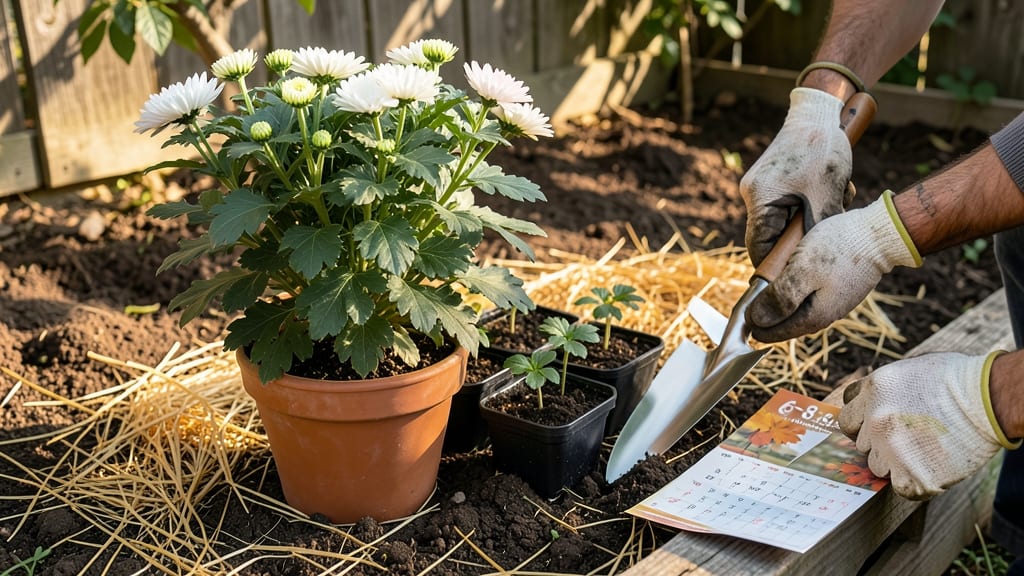
Planting Chrysanthemum (Mums) 🌼 in the ground at the wrong time can turn your fall garden into a disappointment—no matter how beautiful the blooms promise to be.
The secret to vibrant, long-lasting color lies in understanding your local climate and planting them 4-6 weeks before the first frost, when the soil is warm enough to support strong root growth but cool enough to trigger those iconic fall blooms.
I’ve learned the hard way that rushing the process—whether by planting too early or too late—can leave you with weak stems, sparse flowers, or even frost damage. But don’t worry: with the right timing, you can enjoy months of bold color that turns heads in your neighborhood.
Let’s break down exactly when to plant for the best results in your zone.
For most gardeners in USDA Zone 6a, that means getting those 🌼 roots in the ground between late summer and early fall—typically around August to early September.
This window ensures your mums have enough time to establish before the cooler weather sets in, giving you the full bloom display you’re dreaming of.
Ready to transform your garden into a fall showcase? I’ll walk you through the exact steps, from checking soil temperatures to adjusting for your specific climate, so you can confidently plant your mums and enjoy the results all season long.
Ideal planting windows for mums by US hardiness zones
Planting mums at the right time ensures vibrant fall blooms that last from September through frost. Since mums thrive in cool-season conditions, timing depends heavily on your USDA hardiness zone and first frost date.
Aim to plant 4-6 weeks before frost—this gives roots time to establish before temperatures drop. In Zone 6a, like much of the Midwest, that typically means late July to early August.
For gardeners in warmer zones (7-10), you can extend planting into early September—just avoid planting too late, or blooms may arrive after frost. In colder zones (3-5), start earlier (mid-June to July) to account for shorter growing seasons.
Always check your local frost dates—they’re your planting compass!
| USDA Zone | Planting Window | Key Notes |
|---|---|---|
| Zones 3-5 | Mid-June to July | Short growing season; prioritize early planting. |
| Zones 6-7 | Late July to early August | Classic window for vibrant fall color. |
| Zones 8-10 | Early August to September | Can plant later; blooms may extend into winter. |
🌼 Pro Tip: Use a soil thermometer—mums need 60-65°F soil to thrive.
Microclimates can shift your ideal window by 2-4 weeks. Urban gardens often heat up faster than rural areas, while high-altitude spots may need earlier planting.
For example, a south-facing bed in Zone 7 might support late August planting, while a shady corner could push you back to early August. Observe your garden’s unique patterns—note when nearby perennials like asters bloom for clues.
If you’re unsure about frost dates, use the National Weather Service or local cooperative extension service for data. For Zone 6a, like many gardeners in the Midwest, October 15 is the average first frost.
Count backward 6 weeks to land on August 28—your sweet spot. Adjust for early or late years by watching weather forecasts in late July.
For container-grown mums, you have a 1-2 week grace period to plant later than in-ground varieties. Containers warm up faster, so they’re forgiving if you’re a few days late. However, avoid planting after Labor Day in most zones—new roots won’t have enough time to anchor before cold snaps.
If you miss the window, opt for potted mums from garden centers for instant color.
Soil temperature is more critical than air temperature for mums. Use a soil thermometer to confirm readings of 60-65°F at 4 inches deep. If your soil runs cooler (common in northern zones), consider black plastic mulch or straw mulch to warm it up.
In southern zones, where soil stays warm, focus on shade cloth to protect plants from midday heat stress after planting.
Early planting (before July 15) risks bolting—where mums send up flower stems too soon, leading to small, weak blooms. Late planting (after September 1) often results in stunted growth or no blooms at all.
Strike the balance by aligning with your zone’s historical frost data and local growing conditions. When in doubt, plant on the earlier side—mums are resilient and can handle light frost once established.
For staggered blooms, try planting half your mums 2 weeks early and the rest 2 weeks later. This extends your fall color show by 3-4 weeks, ensuring flowers when earlier batches fade.
Pair early-blooming varieties (like 'Early Snow') with late-season types (like 'William R. Smith') for a seamless transition. Just remember: late plantings need extra care—water consistently and use mulch to protect roots.
🌱 Remember: The 4-6 week rule is your golden guideline, but local conditions always win. Watch your garden’s cues—healthy green foliage and strong stems mean you’ve nailed the timing!
Signs your mums are ready for ground planting (and 3 mistakes to avoid)
Planting mums at the wrong time can turn your fall color dreams into wilted disappointment. The key is knowing when your plants are truly ready—both physically and environmentally. Look for firm stems, open buds, and soil temperatures above 60°F (15°C) before digging in.
Your mums should have developed a compact root ball with roots circling the edges. Gently tug on the plant—if it resists, it’s ready. Avoid planting when buds are still tightly closed or soil feels cold to the touch, as this signals they’re not ready for the ground.
Weather forecasts play a critical role. Planting too early—like in early June—risks frost damage if late frosts linger. Conversely, waiting until mid-September may mean blooms arrive too late for peak fall color.
⚠️ CALLOUT WARNING ⚠️
3 Critical Mistakes to Avoid
- 🔴 Planting in cold soil: Roots struggle below 55°F (13°C). Use a soil thermometer to check.
- 🌧️ Ignoring frost dates: Late blooms won’t thrive if frost hits. Verify your first frost date locally.
- 🌱 Overcrowding plants: Mums need 12-18 inches of space. Cramped roots = weak stems.
Pro Tip:
Stagger plantings by 2-3 weeks for extended blooms!
Check your mums’ bud development daily in late summer. Buds should begin opening naturally, revealing bright, fully colored petals. If buds stay closed or petals appear pale, they’re not ready—wait another week or two.
For container-grown mums, ensure the root ball is well-established before transplanting. Gently squeeze the pot—if roots are circling tightly, it’s time to move them. Water thoroughly the day before planting to reduce transplant shock.
Timing isn’t just about the calendar—it’s about reading your plants and the environment. With these signs in mind, you’ll avoid common pitfalls and enjoy bold, healthy blooms all fall long. Happy planting!