
Companion Plants
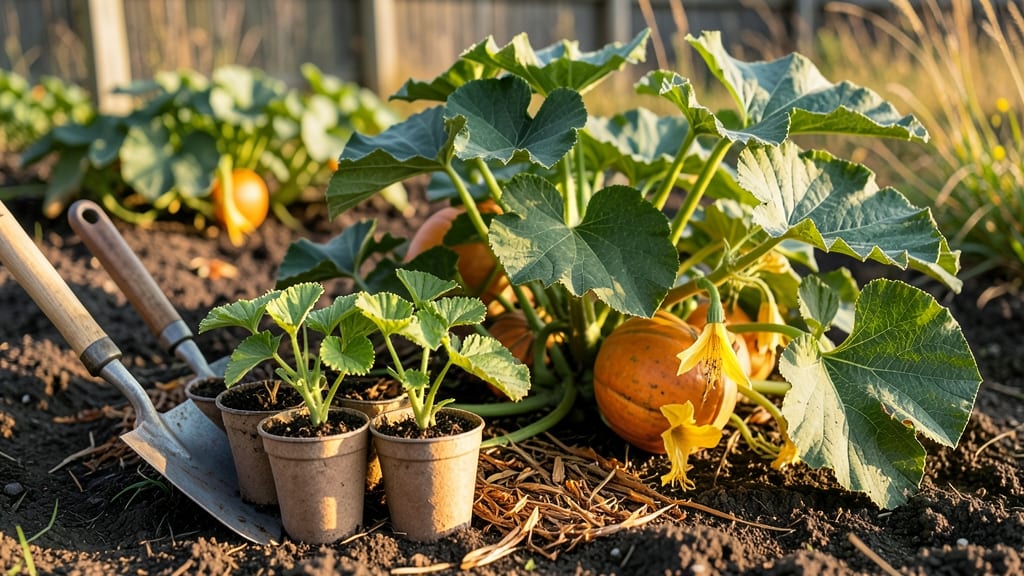
Planting pumpkins in Michigan isn’t just about tossing seeds into the dirt—it’s about timing them perfectly to beat the state’s fickle late spring frosts and short growing season.
With frost-free days averaging just 165, your 🎃 patch hinges on planting after soil warms to at least 70°F, typically between mid-May and early June in zones 5b-6b.
Why wait? Because Michigan’s cool, damp springs can stall germination, leaving your seedlings vulnerable. I’ve learned the hard way—skipping this step means risking a patch of wilted vines or underripe pumpkins by harvest.
The key is knowing your region’s last frost date (usually mid-May) and adjusting for microclimates, like warmer Detroit or cooler UP areas.
In this guide, I’ll break down the exact soil temperature thresholds, regional planting windows, and pro tips to extend your pumpkin’s growing season. Whether you’re in Traverse City or Grand Rapids, you’ll leave here with a clear timeline to maximize your harvest before the first frost hits in October.
Ready to turn your garden into a pumpkin powerhouse? Let’s dive into the steps that’ll ensure your seeds sprout strong—and your vines spread wide enough to feed a small army.
Michigan pumpkin planting timeline: soil temperature & last frost dates by region
Michigan’s pumpkin planting window hinges on two critical factors: soil temperature and last frost dates. Pumpkin seeds need consistent 70°F+ soil to germinate reliably, while late spring frosts can wipe out tender seedlings. Timing varies dramatically between Michigan’s Upper Peninsula, Lower Peninsula, and urban areas like Detroit.
For most of Michigan, aim to plant pumpkin seeds 2-3 weeks after your average last frost date. This gives seedlings time to establish roots before summer heat arrives.
In USDA Zones 5b-6b (covering nearly all of Michigan), this typically translates to mid-to-late May for the Lower Peninsula and early June for the Upper Peninsula.
Here’s the breakdown by region—use these guidelines to pinpoint your exact planting window:
| Region | Last Frost Date (Avg.) | Ideal Planting Window | Soil Temp. for Germination | City Examples |
|---|---|---|---|---|
| Lower Peninsula (South) | Mid-May | Late May to early June | 70°F+ (consistently) | Detroit, Ann Arbor, Kalamazoo |
| Lower Peninsula (North) | Late May | Early to mid-June | 70°F+ (consistently) | Traverse City, Grand Rapids |
| Upper Peninsula | Early June | Late June | 70°F+ (consistently) | Marquette, Houghton |
| Thumb Region | Early May | Early to mid-May | 70°F+ (consistently) | Bad Axe, Port Huron |
Use the NOAA Frost Calculator to refine your local last frost date. Enter your ZIP code to get precise data—this is especially critical in microclimates like urban Detroit or lakeside areas where frosts can occur 2 weeks later than rural zones.
For fast-maturing varieties (like ‘Jack Be Little’), you can push planting to early May in the Lower Peninsula’s southern regions. However, always monitor nighttime temperatures—seedlings can’t tolerate drops below 50°F. Use row covers or a cloche if planting early.
Pro tip: Test your soil temperature with a soil thermometer before planting. Stick it 2 inches deep (where seeds will be) and wait until it reads 70°F for 3 consecutive days. This ensures your seeds won’t sit in cold, damp soil and rot.
Michigan’s short growing season (about 165 frost-free days) means you’ll need to choose quick-maturing varieties (75–90 days to harvest) to avoid losing your crop to early frost. Varieties like ‘Howden’ or ‘Small Sugar’ are ideal for northern regions.
If you’re in doubt, err on the side of planting later. Pumpkins thrive in warm weather, and seedlings can handle a brief delay better than chilly nights. Start seeds indoors 4–6 weeks before your target outdoor planting date if you’re eager to get a head start.
🎃
Michigan pumpkin planting timeline: soil temperature & last frost dates by region
Michigan’s last frost dates and soil temperatures vary dramatically between regions, making timing critical for pumpkin success. In the Lower Peninsula, average last frosts range from May 10–20, while the Upper Peninsula often sees frost until June 1–10.
For reliable germination, wait until soil reaches 70°F+—a soil thermometer is your best tool.
Pumpkin seeds need warm soil to sprout, and Michigan’s USDA Zones 5b–6b mean you’ll likely plant between late May and early June. Southern Michigan (Detroit, Ann Arbor) can plant 2–3 weeks earlier than northern areas (Traverse City, Marquette). Check NOAA frost maps for your exact location.
Here’s how to align your planting with Michigan’s microclimates:
| Region | Avg. Last Frost | Ideal Planting Window | Soil Temp Requirement |
|---|---|---|---|
| Southern MI (Detroit, Ann Arbor) | May 10–15 | Late April–early May | 70°F+ |
| Central MI (Grand Rapids, Lansing) | May 15–20 | Early–mid May | 70°F+ |
| Northern MI (Traverse City) | May 20–25 | Mid–late May | 70°F+ |
| Upper Peninsula (Marquette, Houghton) | June 1–10 | Late May–early June | 70°F+ |
For fast-maturing varieties like ‘Jack Be Little’ (75–80 days), you can push planting to early May in southern Michigan. In colder zones, opt for ‘Howden’ or ‘Small Sugar’, which tolerate shorter seasons. Always use black plastic mulch to warm soil faster in cooler regions.
Pro tip: Start seeds indoors 2–3 weeks before your target outdoor date if nights are still chilly. Transplant seedlings after all danger of frost has passed—typically 2 weeks after your region’s last frost date.
Michigan’s first frost usually hits by mid-October, so plan to harvest by September 15 for most varieties. Use row covers to extend the season if needed.