
Planting
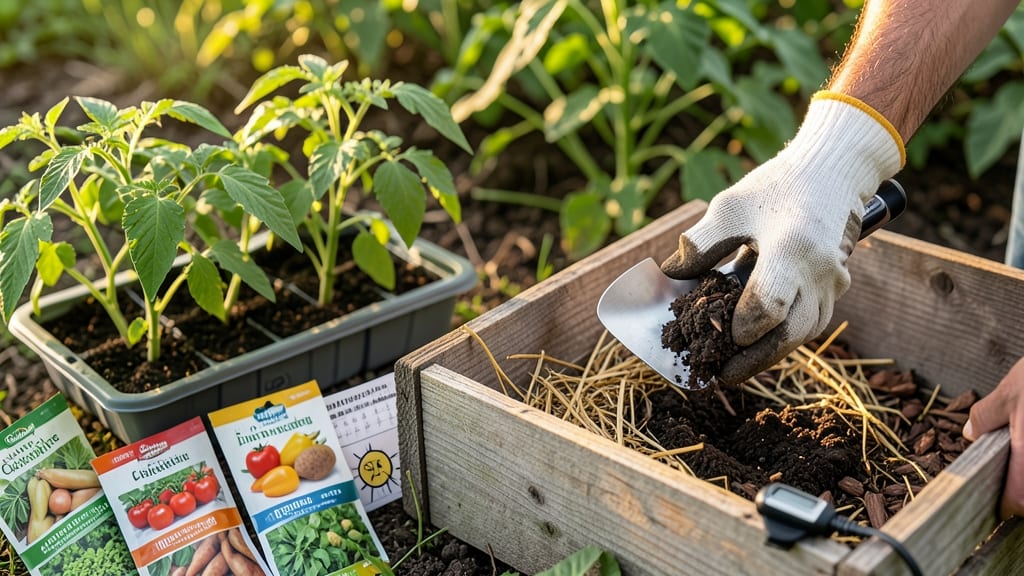
Planting a garden in Arkansas at the wrong time can mean the difference between a bountiful harvest and a sad, wilted disappointment—especially in USDA Zone 7a where frost dates shift unpredictably each year.
If you’ve ever watched your seedlings freeze overnight or struggled with bolting vegetables before they mature, you know how critical timing is. Arkansas’s spring planting window (March–May) is your golden opportunity, but even a few weeks off can throw off your entire growing season.
I’ve spent years testing the best planting strategies for General Garden Plants 🌱 in Arkansas, and what I’m about to share will help you avoid common mistakes—like planting too early and risking frost damage or waiting too late and missing peak harvests.
From cool-season crops like lettuce to heat-loving tomatoes, I’ll break down the exact month-by-month schedule that works for Arkansas gardeners, including adjustments for northern vs. southern regions. Let’s get started!
Arkansas planting calendar by month: USDA Zone 7a frost dates & ideal windows
Arkansas’s USDA Zone 7a climate means gardeners must work with a tight window between last frost dates (typically March 15–April 15) and scorching summer heat. Missing these windows can leave your garden struggling—or worse, wiped out by a late freeze.
For example, 2023’s April 10 freeze caught many off guard, turning tender seedlings into sad, crispy snacks. Planning ahead isn’t just smart; it’s essential.
Your planting strategy should split into two seasons: cool-season crops (like lettuce and peas) and warm-season crops (like tomatoes and peppers). Cool-season plants thrive in 50–70°F soil, while warm-season crops need 60–85°F to germinate.
Arkansas’s northern regions (e.g., Fayetteville) often experience frost 2–3 weeks later than southern areas (e.g., Little Rock), so adjust accordingly.
🌱 Key Takeaway: Start cool-season crops in late winter (February) for an early spring harvest, and shift to warm-season plants by mid-April. Fall planting begins in August to avoid summer’s brutal heat.
📅 Arkansas Planting Calendar by Month
| Month | Cool-Season Crops (Plant) | Warm-Season Crops (Plant) | Soil Temp | Notes |
|---|---|---|---|---|
| February | Peas, Spinach, Lettuce, Broccoli | — | 45–55°F | Use row covers for frost protection. |
| March | Carrots, Radishes, Kale, Onions | Tomato/pepper starts indoors | 50–60°F | Monitor last frost (wait until mid-March for northern AR). |
| April | Beets, Swiss Chard, Cabbage | Transplant tomatoes, peppers, cucumbers | 60–70°F | Critical month—avoid planting after April 15 without frost protection. |
| May | — | Direct-sow beans, squash, corn | 70–85°F | Mulch to retain moisture; avoid late plantings—heat stress sets in. |
| June–July | — | Succession plant beans, cucumbers | 80–90°F | Focus on shade-tolerant crops (e.g., malabar spinach). |
| August | Broccoli, Kale, Lettuce (fall crops) | Sweet potatoes, winter squash | 65–75°F | Start cool-season seeds indoors for September transplanting. |
| September | Spinach, Radishes, Turnips | — | 55–65°F | Use black plastic mulch to warm soil for late tomatoes. |
| October | Garlic, Onions, Peas | — | 45–55°F | Plant hardy crops 6–8 weeks before first frost. |
For herbs, basil and cilantro thrive in spring and fall, while rosemary and thyme prefer warm, dry conditions and can be planted in early spring.
Flowers like marigolds and zinnias are heat-tolerant and can handle late spring plantings, but pansies and snapdragons need cooler temps and should go in by September for a fall display.
Arkansas’s southern regions (e.g., Texarkana) can push warm-season crops 2–3 weeks later than northern areas. For example, sweet potatoes can be planted as late as June 1 in southern Arkansas, while northern gardeners should start them by May 15. Always check your local
How to adjust planting times for Arkansas’ microclimates & unpredictable weather
Arkansas’ USDA Zone 7a might have an average last frost date of March 15, but that doesn’t mean your garden is safe from surprises. Microclimates—like sheltered valleys or urban heat islands—can shift frost dates by 2-3 weeks, while unpredictable weather (like the 2023 late-April freeze) demands flexibility.
The key is adapting your planting schedule to local conditions rather than relying on general averages.
Start by monitoring your specific area’s frost history. Check local weather stations or ask experienced gardeners in your neighborhood or county. For example, northern Arkansas (e.g., Fayetteville) often sees frost 1-2 weeks later than southern regions (e.g., Little Rock).
Use this data to adjust your cool-season planting by 7–14 days earlier or later.
Row covers and cold frames are game-changers for extending seasons. A simple floating row cover can protect tender plants like lettuce or spinach from light frosts down to 20°F. For early spring, sow hardy crops like peas or kale 4–6 weeks before your average last frost date under cover. Remove covers when plants outgrow them or temperatures rise above 70°F.
Arkansas’ unpredictable late frosts (e.g., April 2023’s 28°F dip) can devastate young seedlings. Avoid planting tomatoes, peppers, or eggplants until after May 1 in most areas. For extra safety, use black plastic mulch to warm soil faster or opt for cold-hardy varieties like ‘Arkansas Traveler’ tomatoes.
For warm-season crops, soil temperature matters more than air temperature. Use a soil thermometer to confirm the ground is at least 60°F before planting beans, squash, or cucumbers. In cooler years, consider starter plants instead of direct sowing to avoid delays.
If your area has a history of hot, dry summers, prioritize drought-tolerant varieties like ‘Cherokee Purple’ tomatoes or ‘Black Beauty’ zucchini.
Fall planting is another critical window. Start cool-season crops like broccoli or carrots in late July to early August for a harvest before winter. Use mulch to insulate soil and protect roots from early frosts.
In southern Arkansas, you might even squeeze in a second fall crop of spinach or radishes as late as September 15.
Finally, keep a gardening journal to track what works (and what doesn’t) in your specific microclimate. Note adjustments like earlier starts, row cover success, or late-season harvests. Over time, you’ll refine your planting schedule to outsmart Arkansas’ unpredictable weather and maximize your garden’s potential. 🌱