
Planting
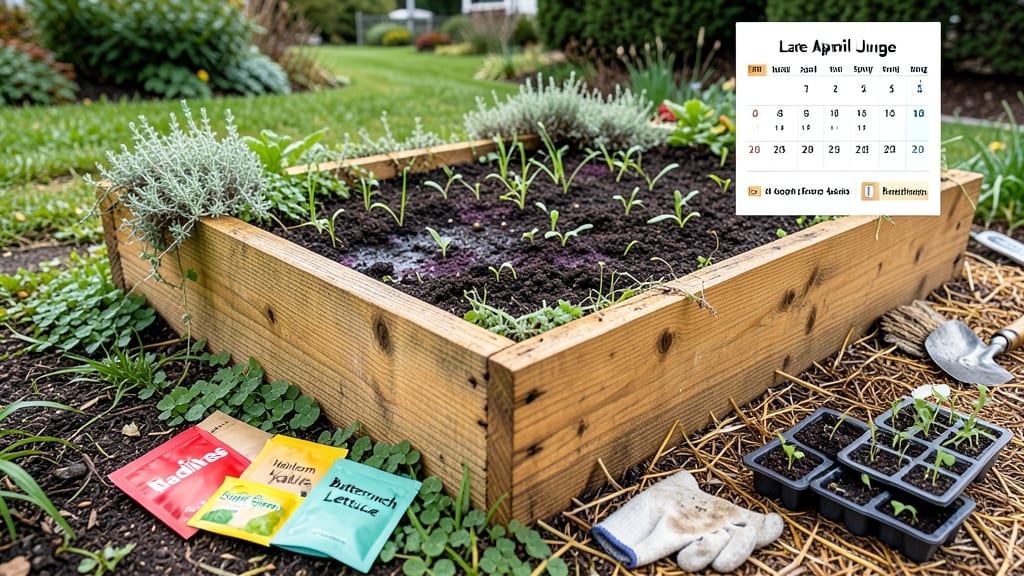
Timing when to plant a garden in New Brunswick just right can mean the difference between a bumper crop and a sad, wilted disappointment.
With USDA Zone 5b frost dates that shift from April to October, knowing exactly when to plant your 🌱 General Garden Plants is the key to success.
Most gardeners here wait until after the last frost—typically around mid-April—before diving into spring planting, but the real magic happens when you align your schedule with the soil’s readiness. Whether you’re sowing hardy peas or tender tomatoes, getting it wrong means wasted effort and lost harvests.
In this guide, I’ll break down the exact planting windows for every season, from cool-weather crops in spring to fall favorites that thrive before the first frost. You’ll learn how to beat New Brunswick’s short growing season with smart timing and simple tricks.
Ready to turn your garden dreams into reality? Let’s get started with the perfect planting schedule for your region—and watch your plants flourish like never before.
New Brunswick frost dates by region: when to plant cool vs warm-season crops
New Brunswick’s USDA Zone 5b climate means your planting schedule hinges on frost dates—typically April 15 for last spring frost and October 15 for first fall frost. However, these dates shift slightly by region, affecting when you can safely plant cool-season crops like kale or warm-season crops like tomatoes.
Fredericton’s frost dates are usually 1-2 weeks earlier than coastal Saint John, where milder ocean breezes delay frost.
Understanding these variations helps you avoid frost damage or wasted seeds. For example, planting peas or lettuce too early in Fredericton (before May 1) risks freezing, while coastal areas like Moncton can start 2 weeks earlier.
Warm-season crops like tomatoes and peppers must wait until soil reaches 50°F (10°C), usually late May to early June.
Here’s a quick reference for last spring frost and first fall frost by region, along with ideal planting windows for your garden:
| Region | Last Spring Frost | First Fall Frost | Cool-Season Planting Window | Warm-Season Planting Window |
|---|---|---|---|---|
| Fredericton | April 20 | October 10 | April 20–May 15 | June 1–June 15 |
| Saint John | May 1 | October 20 | April 25–May 20 | June 10–June 20 |
| Moncton | April 25 | October 15 | April 25–May 10 | June 5–June 15 |
| Rural Areas | April 15 | October 5 | April 15–May 10 | May 30–June 10 |
For cool-season crops like spinach, peas, and broccoli, start seeds indoors 4-6 weeks before your last frost date.
Transplant seedlings outdoors once soil warms to 40°F (4°C). Warm-season crops such as tomatoes, peppers, and cucumbers thrive when soil reaches 50°F (10°C)—wait until after June 1 in most regions to avoid frost damage.
Extend your growing season by planting fast-maturing varieties like bush beans or radishes early, or use row covers to protect tender plants. In coastal areas, you can even plant fall crops like kale or carrots as early as August 1 for a harvest before frost.
Pro tip: Check the New Brunswick Agriculture frost forecast weekly, as late spring frosts can still occur in May. Use frost cloth for extra protection if nighttime temps drop below 32°F (0°C).
If you’re unsure about your exact frost dates, err on the side of caution—wait until May 1 for most regions to plant warm-season crops. This ensures your tomatoes and peppers aren’t nipped by surprise frost.
🌱
Best planting schedule for New Brunswick gardens: month-by-month guide
New Brunswick’s short growing season (about 160 frost-free days) means every week counts. I’ve broken down the ideal planting schedule to maximize your harvest, whether you’re growing cool-season crops like kale or warm-season favorites like tomatoes.
Start with hardy plants in early spring, then transition to heat-lovers as soil warms.
For cool-season crops, like peas, spinach, and lettuce, begin sowing seeds indoors in March or directly in the garden by late April. These plants tolerate light frosts and can even thrive in 50°F soil.
Meanwhile, warm-season crops such as tomatoes, peppers, and cucumbers need to wait until after the last frost, typically mid-to-late May in most regions.
🌱 Key Tip: Use row covers or cold frames to extend your planting window by 2-3 weeks for early spring crops. This simple trick can give you a jumpstart on the season and protect delicate seedlings from unexpected late frosts.
Don’t forget about perennials like asparagus and strawberries! Plant them in early spring (March–April) so they have plenty of time to establish roots before winter. These plants will reward you for years with minimal effort after the first year of growth.
Adjust your schedule based on your microclimate. South-facing gardens warm up faster, while shaded areas may need a later start. Keep an eye on local frost forecasts and be ready to protect your plants with frost cloths if a late frost is predicted.
With this month-by-month guide, you’ll avoid the common pitfalls of planting too early or too late. Happy gardening—your future harvests will thank you! 🌿