
Planting
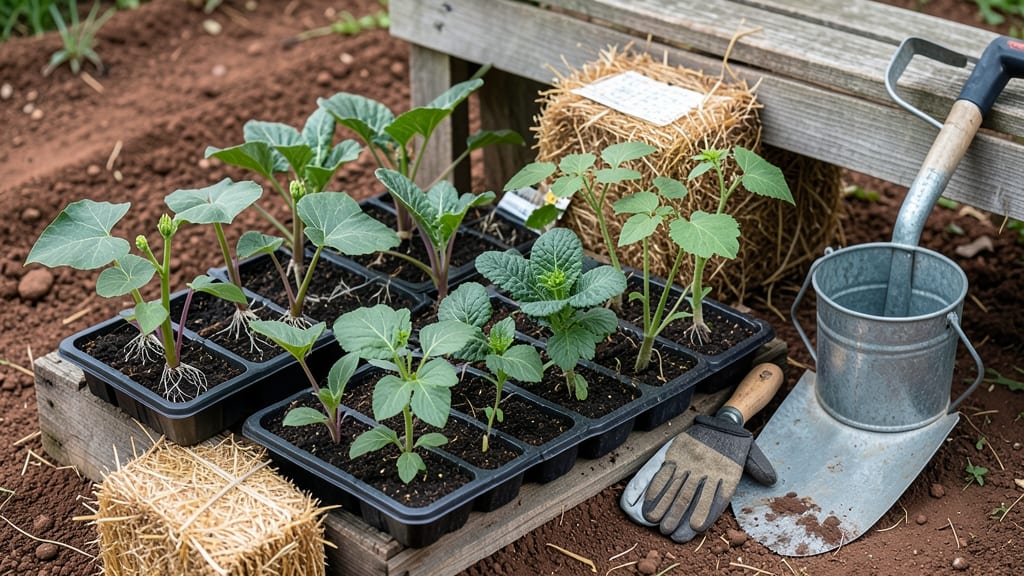
Planting a vegetable garden in Mississippi at the wrong time means either wilting seeds in the heat or frost-nipped dreams before harvest.
The key to success lies in understanding when to plant—because in zones 7b-8a, timing isn’t just a suggestion, it’s the difference between a thriving 🌱 harvest and wasted effort.
Mississippi’s climate demands precision: cool-season crops like lettuce and broccoli need to go in the ground 4-6 weeks before the last frost (usually by early March), while warm-season favorites like tomatoes and peppers won’t tolerate frost at all. Skip this window, and you’re fighting the heat instead of beating it.
But here’s the good news: with the right schedule, you can enjoy fresh veggies from March to November. I’ll break down the exact planting windows for spring and fall, so you can avoid common mistakes and maximize your garden’s potential—no guesswork required.
Ready to turn your Mississippi garden into a year-round harvest? Let’s dive into the fastest, most reliable way to time your planting for success, no matter where you are in the state.
Mississippi planting zones by heat tolerance: when to start seeds indoors vs outdoors
Mississippi’s USDA zones 7b-8a mean your planting schedule hinges on heat tolerance and frost dates. North Mississippi (like Tupelo) has earlier last frosts (mid-March), while the Gulf Coast (Biloxi) stays frost-free until late December.
This creates a 6-8 week window for spring planting and a 4-6 week window for fall—critical for avoiding heat stress or frost damage.
Cool-season crops like lettuce and broccoli thrive when soil temps stay below 75°F. Warm-season crops such as tomatoes and peppers need soil temps above 60°F to germinate. Mississippi’s humidity and intense summer heat (often exceeding 90°F) demand precise timing to prevent seed rot or wilting.
Start cool-season seeds indoors in January for transplants by February. Warm-season seeds should begin indoors in March for outdoor planting after the last frost. The Delta region has a shorter frost-free window (210 days), while coastal areas enjoy 240+ frost-free days, allowing for extended growing seasons.
🌱 Mississippi Planting Timeline by Heat Zone
| Region | Last Frost | Cool-Season Planting | Warm-Season Planting |
|---|---|---|---|
| North MS (Tupelo, Oxford) | Mid-March | Feb 15 - Mar 15 | Apr 1 - May 15 |
| Central MS (Jackson, Starkville) | Late March | Feb 20 - Mar 20 | Mar 20 - May 1 |
| Delta (Greenville, Cleveland) | Early April | Feb 25 - Mar 25 | Mar 25 - Apr 30 |
| Gulf Coast (Biloxi, Gulfport) | Late December | Oct 15 - Dec 15 | Feb 15 - May 1 |
💡 Pro Tip: Use row covers to extend cool-season planting by 2-3 weeks in early spring.
For indoor seed starting, use grow lights to simulate 14-16 hours of light daily. Cool-season crops like kale and spinach can handle 50°F soil temps, while warm-season crops need 70°F+ soil to avoid stunted growth.
My go-to method is sowing peppers and tomatoes indoors in early March for transplanting after the last frost.
Mississippi’s summer heat can scorch seedlings planted too early. Wait until soil temps consistently stay above 65°F (use a soil thermometer) before transplanting. Late May is often too hot for delicate seedlings like cucumbers or squash—opt for shade cloth if planting early.
Fall planting in Mississippi offers a second harvest opportunity. Start cool-season crops like carrots and radishes in late July for harvest before first frost (mid-November). Succession planting every 2 weeks ensures a steady supply.
My favorite fall crop is broccoli, which thrives in cooler temps and resists Mississippi’s humidity better than summer varieties.
Regional microclimates matter—urban areas like Jackson may be 5°F warmer than rural spots, delaying frost. Check local frost data from the Mississippi State University Extension for precise timelines. Their free frost maps adjust for elevation and heat islands, saving you from guesswork.
Mississippi’s long growing season (210-240 frost-free days) lets you grow year-round veggies like collard greens and turnips. For tropical crops (e.g., okra, sweet potatoes), plant in late spring when temps exceed 80°F. These thrive in Mississippi’s heat and
Best vegetables to plant in Mississippi by season: fast-germinating picks for hot climates
Mississippi’s heat and humidity demand smart crop choices—some vegetables thrive in the sweltering summers, while others prefer cooler spring and fall conditions. The key is selecting fast-germinating varieties that handle Mississippi’s soil temperatures (often 80°F+ in summer).
Below are my top picks for each season, ranked by speed to harvest and heat tolerance.
For spring planting (February–April), focus on cool-season crops like bush beans and radishes, which germinate in 5–10 days at 60–70°F soil temps. These handle Mississippi’s early warmth better than slower starters like cabbage.
In summer (May–July), switch to heat-lovers such as okra and sweet potatoes, which sprout in 7–14 days when soil hits 85°F+. Fall (August–October) is ideal for kale and turnips, which tolerate mild frosts and germinate in 3–7 days at 55–65°F.
Pro tip: Use row covers for spring/fall crops to speed germination in Mississippi’s unpredictable early warmth. For summer, mulch heavily to keep soil cool for heat-sensitive seedlings like tomatoes (which need 75–85°F soil to germinate reliably).
Always check Mississippi State University Extension’s frost-free maps to adjust timing by region—North MS (Zone 7b) has a later last frost than the Gulf Coast (Zone 9a).
Mississippi’s short growing season (only 210–240 frost-free days) means fast germination is critical. Prioritize direct-sown seeds over transplants for speed—for example, bush beans germinate in 5 days vs. 14 days for tomato transplants. Start with small, fast batches to test soil conditions before committing to larger plantings.
My top 3 fastest picks for beginners? Radishes, okra, and Southern peas—they’re forgiving, heat-tolerant, and ready to harvest in under 2 months.
Don’t overlook succession planting—sow radishes every 2 weeks in spring/fall to ensure a continuous harvest. In summer, okra and sweet potatoes self-seed easily, so let a few mature for next year’s garden.
For fall crops, aim to plant 6 weeks before your first frost (mid-November in most of MS) to avoid bolting (premature flowering) in heat-sensitive greens like spinach.
Mississippi’s climate quirks—like sudden summer rains or early fall humidity—can derail even the best-laid plans. That’s why I always plant extra seeds: 10–20% more than needed to account for germination failures or pest pressure.
For example, if a packet says to plant 50 seeds, sow 60–70 to ensure a reliable harvest. Pair this with drip irrigation to maintain consistent soil moisture, especially during peak heat (June–August).
Ready to dive in? Grab a garden journal to track sprout dates, soil temps, and harvest windows—this data will help you refine timing year after year. Mississippi gardeners know that patience and preparation pay off with bountiful, homegrown veggies that beat store-bought flavors any day. 🌱