
Plants
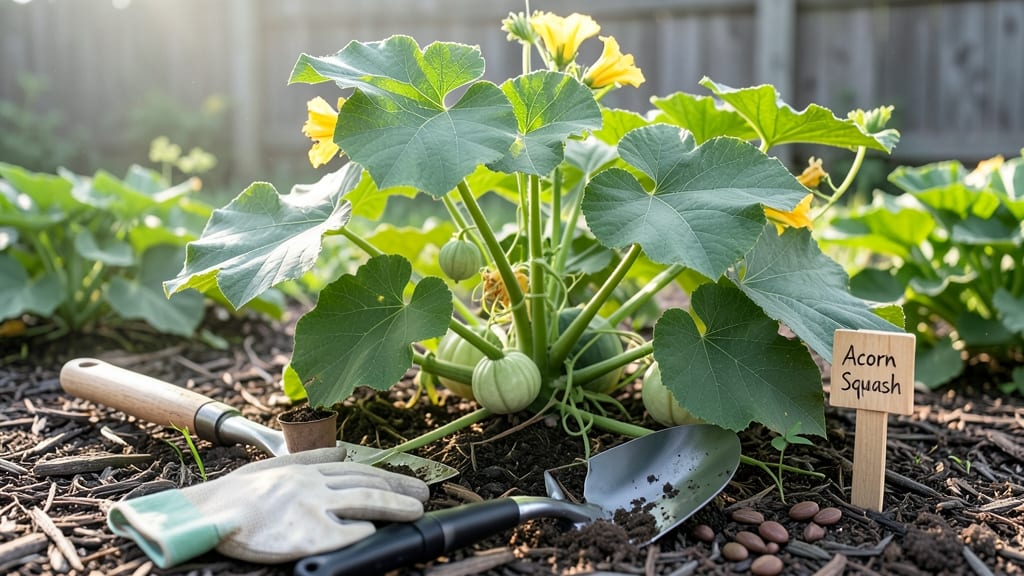
Planting acorn squash 🎃 in Texas is all about beating the heat—get the timing wrong, and you’ll end up with wilted vines instead of sweet, nutty harvests. The key is working with Texas’ brutal summers while giving your plants enough time to mature before the first frost hits.
Most gardeners in USDA zones 8a-10b have two chances to succeed: a spring planting window from mid-March to early June or a fall window from late July to early September.
But not all varieties handle Texas heat the same way, which is why choosing the right type—and planting at the perfect moment—makes all the difference.
If you’ve ever struggled with acorn squash that bolts in the heat or rots before harvest, you’re not alone. I’ve tested the best heat-tolerant varieties and planting strategies to help you avoid common pitfalls.
Let’s break down the exact dates, soil prep tricks, and care tips to turn your Texas garden into a squash success story.
Whether you’re a first-time gardener or a seasoned pro, these insights will help you grow acorn squash that thrives in Texas’ extreme climate. Ready to dig in?
Best planting dates for acorn squash in Texas by region
Texas’ brutal summers and variable frost dates mean acorn squash planting timing varies dramatically from North to South Texas.
In North Texas (USDA Zones 7b-8a), like Dallas and Fort Worth, your last frost date typically falls around February 15, while South Texas (Zones 9a-10b), including Houston and San Antonio, can start planting as early as mid-March with no frost risk.
Central Texas (Zones 8a-8b) falls somewhere in between.
For a successful harvest, aim to plant acorn squash when soil temperatures reach 60°F+ and stay above 55°F at night. This usually means spring planting between mid-March and early June for fall harvests, or late July to early September for winter harvests in cooler regions.
Direct sowing seeds 1 inch deep is ideal, but if you prefer transplants, start seeds indoors 4-6 weeks before your last frost date. Seedlings need to be hardened off before moving outdoors to avoid shock.
Here’s a region-specific planting calendar to maximize your yield while avoiding Texas’ extreme heat:
| Region | Last Frost Date | Spring Planting Window | Fall Planting Window | Key Tip |
|---|---|---|---|---|
| North Texas (Dallas/Fort Worth) | Feb 15 | Mid-March to May 1 | Late July to Aug 15 | Use black plastic mulch to warm soil faster. |
| Central Texas (Austin/San Marcos) | Feb 1 | Late Feb to May 15 | Early July to Aug 30 | Plant near trees for afternoon shade. |
| South Texas (Houston/San Antonio) | Jan 31 | Mid-March to June 1 | Late July to Sept 15 | Prioritize heat-tolerant varieties like 'Autumn Gold'. |
In North Texas, focus on spring planting to avoid summer’s 100°F+ temperatures, which can stunt growth or cause fruit to split. For Central and South Texas, a fall planting (July-September) gives squash time to mature before winter chills arrive.
Always space plants 3-4 feet apart in hills to improve air circulation and reduce disease risk. Mulch heavily with straw or leaves to retain moisture and regulate soil temperature—critical in Texas’ erratic climate.
If you’re in a high-desert area (e.g., El Paso), extend your season by planting in low-lying spots where heat collects at night. Avoid planting in low-lying areas prone to frost pockets, even in spring.
For container growing, use large pots (at least 15-gallon) and plant one squash per container. Move containers to shaded areas during peak afternoon heat (2 PM–5 PM) to prevent wilting.
Remember: Acorn squash needs 85-100 days to mature, so time your planting to finish before the first frost. In South Texas, this might mean a winter harvest, while North Texas gardeners should aim for a fall harvest before temperatures drop below 40°F.
Best planting dates for acorn squash in Texas by region
Texas’ diverse climate zones mean your acorn squash planting schedule depends heavily on location. North Texas faces earlier frosts (as late as February 15), while South Texas enjoys longer growing seasons with January 31 as the last frost date.
Aim to plant when soil temps hit 60°F+—critical for germination.
For spring plantings, start seeds indoors 3-4 weeks before your last frost date. In North Texas, this means mid-March for direct sowing or late February for transplants.
In Central Texas, push it to early April, and in South Texas, you can direct sow as early as February.
Fall plantings are your best bet for Texas summers—plant seeds late July to early September for a winter harvest. This avoids the 100°F+ heat that stunts growth. South Texas gardeners can extend this window into early October for a late-winter crop.
| Region | Spring Planting Window | Fall Planting Window | Key Notes |
|---|---|---|---|
| North Texas | Mid-March to early May | Late July to early September | Use black plastic mulch to warm soil faster |
| Central Texas | Early April to late May | Late July to mid-September | 85°F+ tolerance with shade cloth |
| South Texas | February to early April | Late July to early October | Extend season with drip irrigation |
Direct sowing is ideal for Texas heat, but if you’re transplanting, harden off seedlings for 7-10 days before moving them outdoors. Space hills 3-4 feet apart—crowding stresses plants in 100°F+ temps. Use raised beds in heavy clay soils to improve drainage and heat tolerance.
For organic gardeners, skip synthetic fertilizers during peak heat (June-August). Instead, side-dress with compost tea every 4-6 weeks to feed roots without overheating the soil. Mulch with straw or grass clippings to retain moisture and regulate soil temps.
Monitor your local frost dates—even South Texas can get unexpected cold snaps in December. If nights dip below 40°F, cover young plants with frost blankets to protect tender foliage. With the right timing, you’ll harvest sweet, firm acorn squash from October through February.