
Plants
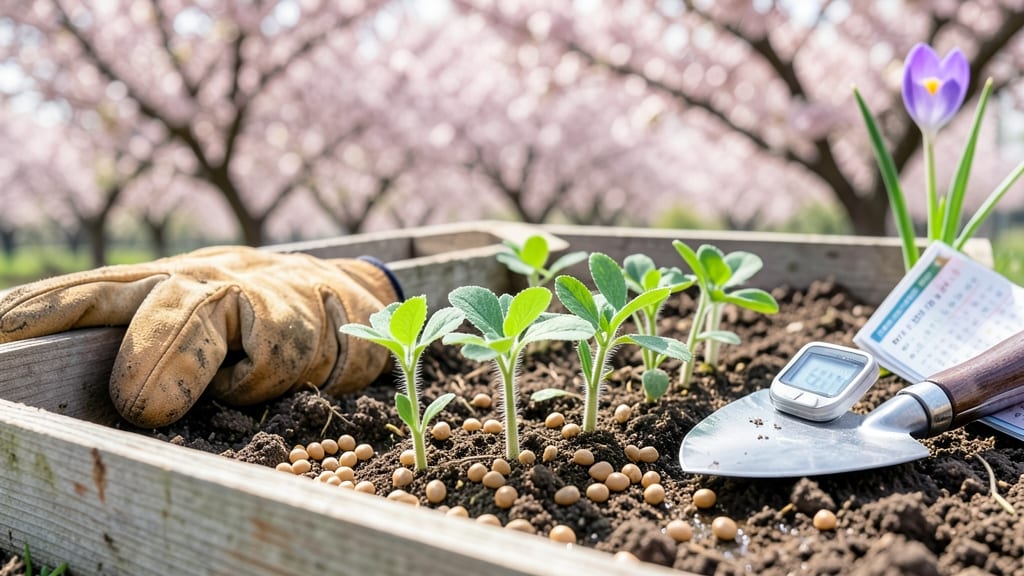
Planting alfalfa at the wrong time in the spring can leave your seeds struggling to break through the soil crust, but getting the timing right unlocks its powerful nitrogen-fixing benefits.
The key is understanding your region's frost patterns and soil temperature—especially in Zone 6a, where early spring can be unpredictable.
For most gardeners in this zone, the ideal window is between early and mid-spring, once the last frost has passed and soil temperatures hit at least 50°F. This timing ensures your 🌱 alfalfa seeds germinate quickly and establish strong roots before summer heat arrives.
Whether you're a beginner or a seasoned gardener, mastering this timing can make all the difference in your crop's success. I'll walk you through the exact steps to prepare your soil, choose the right depth, and avoid common mistakes that slow down growth.
Let's dive into the secrets that will help your alfalfa thrive from the very first planting.
Optimal spring planting windows by USDA hardiness zones
Timing your alfalfa planting to match your USDA hardiness zone is the secret to unlocking its full potential. Unlike annuals that tolerate late starts, alfalfa’s deep taproots need consistent warmth to establish—plant too early in cold zones, and you risk frost damage; too late, and summer droughts stifle germination.
Let’s break down the zone-specific windows that maximize your success rate.
For Zones 3-4 (e.g., Minnesota, upstate New York), aim for mid-to-late May after soil temps hit 50°F consistently. These northern climates have late last frosts (often May 15-30), so rushing seeds in April risks soil crusting from freeze-thaw cycles.
Wait for 3 consecutive days above 55°F—this is your green light.
Zones 5-6 (Midwest, Northeast) offer the sweet spot: early April to mid-May. Here, last frost dates typically fall between April 15-30, but microclimates matter. Plant 2 weeks earlier in south-facing slopes or 2 weeks later in valleys where cold air pools. Use a soil thermometer—alfalfa seeds need 50-60°F to sprout reliably.
In Zones 7-9 (Southeast, Southwest), your window stretches from February to early April. Southern growers can even overwinter seeds in Zone 9+ if planted in December-January, but spring plantings in March avoid summer heat stress.
The key? Irrigation readiness—these zones often face spring droughts, so schedule planting when rainfall averages 1 inch/week.
Pro Tip: Use the 2-week buffer rule in high-risk zones. If your average last frost is April 15, plant by April 1—this accounts for unpredictable late frosts while still giving roots time to establish before summer heat. Track your local Almanac frost dates and adjust by 7-10 days for safety.
Here’s how to calculate your personalized planting window:
- Find your USDA zone (use the USDA Plant Hardiness Map).
- Note your historical last frost date (local extension offices have this data).
- Subtract 2-3 weeks for a buffer.
- Verify soil temps with a thermometer—wait until 50°F+.
| USDA Zone | Last Frost Date | Optimal Planting Window | Soil Temp Requirement | Microclimate Adjustment |
|---|---|---|---|---|
| Zones 3-4 | May 15-30 | Mid-to-late May | 50-60°F | Wait for 3 days >55°F |
| Zones 5-6 | April 15-30 | Early April to mid-May | 50-60°F | ±2 weeks for slopes/valleys |
| Zones 7-9 | February-March | February to early April | 50-65°F | Irrigation-ready soils only |
Microclimates can shift your planting window by up to 3 weeks. For example, a south-facing hillside in Zone 6 might warm enough for planting by March 20, while a north-facing valley could need to wait until May 1.
Observe your garden’s sun exposure patterns—areas that dry out faster (like roof edges) need earlier planting to capture spring moisture.
Common mistakes to avoid:
- Planting when soil is still wet or compacted (alfalfa roots need oxygen).
- Ignoring seed packet instructions for inoculant (critical for nitrogen fixation).
- Skipping mulch in dry zones (retains moisture for 3-4 weeks post-planting).
Once you’ve nailed your zone and timing, the next critical step is seed depth and soil prep—we’ll cover those science-backed secrets in the next section to ensure your alfalfa breaks through the soil crust like a pro. 🌱
Seed depth and soil temperature secrets for alfalfa germination
Alfalfa seeds need precision planting to break through soil crusts and establish strong roots. Planting too deep suffocates them, while shallow planting risks drying out. The ¼–½ inch depth sweet spot balances moisture retention and oxygen access—critical for germination.
I’ve learned this the hard way after watching seeds rot in compacted soil or dry out when barely covered.
Soil temperature is just as critical as depth. Alfalfa seeds won’t sprout below 50°F—they prefer 50–60°F for optimal germination. Use a soil thermometer (just $10 at garden centers) to check temps before planting.
In cooler climates, wait until late spring when the ground warms consistently. Pro tip: Dark-colored mulch can raise soil temps by 2–3°F faster than bare earth.
| Germination Factor | Ideal Specification | Troubleshooting Tip |
|---|---|---|
| Seed Depth | ¼–½ inch (6–12mm) | Use a ruler to mark rows; press seeds gently into furrows. |
| Soil Temperature | 50–60°F (10–15°C) | Test temps for 3 days—plant when consistent above 50°F. |
| Moisture Level | Consistently damp (not soggy) | Water lightly daily until germination (sprinkle, don’t drown). |
| Soil pH | 6.0–7.5 (slightly acidic to neutral) | Add lime to lower pH or sulfur to raise it before planting. |
Compacted or rocky soils? Break them up first. Use a broadfork to loosen the top 6–8 inches of soil—alfalfa roots need space to penetrate deeply. Mix in compost (not fresh manure) to improve drainage and aeration.
I once planted alfalfa in heavy clay without amending it, and germination took three weeks longer than expected. The roots just couldn’t push through the dense soil.
Watch for soil crusting after rain—it can bury seeds too deeply. To prevent this, lightly rake the surface after watering or use a mulch mat (biodegradable) to protect seeds.
In my Zone 5 garden, I’ve had the best success with straw mulch—it keeps moisture in while allowing air circulation. Avoid plastic mulch; it traps too much heat and can cook the seeds.
Timing your watering matters too. Morning watering is key—it gives seeds moisture without encouraging fungal growth. Use a fine mist setting on your hose or a watering can with a rose attachment to avoid displacing seeds.
Overhead watering can create a muddy mess that smothers them. I’ve seen entire rows fail because of this simple mistake.
Finally, patience is critical. Alfalfa seeds can take 10–21 days to germinate, depending on conditions. Don’t dig them up to check—you’ll disturb the roots. Instead, mark rows with stakes and wait.
If you’re unsure whether seeds have sprouted, gently press the soil near the row. You’ll feel the tiny roots if they’re growing.
Once you see those first tiny green hooks breaking through, you’ll know you’ve nailed the depth, temperature, and moisture combo. That’s when the real magic begins—alfalfa’s nitrogen-fixing roots start transforming your soil into a powerhouse for future crops. 🌱