
Companion Plants
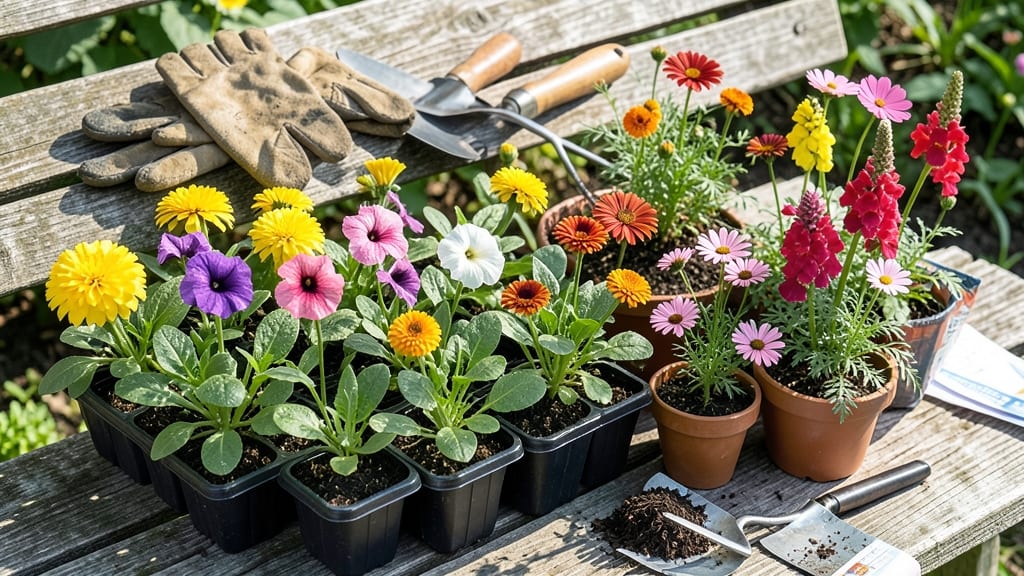
Planting annuals in Wisconsin at the wrong time can mean the difference between a garden bursting with 🌸 blooms and a sad, frost-nipped disappointment. The key to success? Timing it perfectly after the last frost—typically between mid-May and early June—but knowing your exact county’s frost date makes all the difference.
Wisconsin’s climate varies wildly from the 4a chill of northern zones to the slightly milder 5b in the south, and even microclimates can shift your planting window by weeks. If you’ve ever watched your seedlings wilt overnight or missed the peak bloom season, you’re not alone—and this guide fixes that.
I’ll break down the critical last-frost dates by county, share how to adjust for unpredictable weather, and recommend the best annuals for Wisconsin’s short growing season. Whether you’re a first-time gardener or a seasoned pro, these tips will help you plant with confidence.
Ready to transform your garden into a vibrant, long-lasting display? Let’s get those annuals in the ground at the perfect time—so you can enjoy months of color instead of weeks.
Wisconsin last-frost dates by county: the critical timeline for annual planting
Wisconsin’s last-frost dates vary dramatically by county—from mid-April in southern regions like Kenosha to late May in northern areas like Ashland. These differences mean your petunias in Milwaukee can bloom weeks earlier than your zinnias in Green Bay.
Understanding these timelines ensures your annuals thrive without frost damage or wasted effort.
For accurate planning, I recommend using the Wisconsin State Climatology Office or local National Weather Service data. These resources provide historical averages and recent trends, helping you adjust for microclimates (e.g., urban heat islands or lake-effect cooling).
Always wait until the soil temperature reaches 50°F—a simple soil thermometer makes this easy.
Here’s a breakdown of last-frost dates by region, including adjustments for rural vs. urban areas and elevation differences. Urban areas often warm up faster, while rural zones may lag by 3-5 days.
Higher elevations (like the Northern Highlands) can delay frost-free dates by up to 2 weeks.
If you’re planting cool-season annuals like pansies or lettuce, you can start as early as late March in southern Wisconsin. However, warm-season annuals (e.g., marigolds or tomatoes) need to wait until after the last frost.
For extra safety, I use the 10-day rule: Wait 10 days past the average last frost date before planting tender seedlings.
For container gardening, containers warm up faster than in-ground soil, so you can plant 1-2 weeks earlier in containers. Just be prepared to cover plants if a late frost is forecasted. Always check the extended forecast on platforms like Old Farmer’s Almanac or Weather Underground for real-time adjustments.
Remember, first frost dates also matter for late-season planting. In northern Wisconsin, the first frost can arrive as early as mid-September, cutting your growing season short. Plan heat-tolerant annuals (like celosia or zinnias) for these areas to maximize blooms before frost.
For vegetable annuals, like tomatoes or peppers, consider starting seeds indoors 6-8 weeks before your last frost date. This gives them a head start and ensures they’re ready to transplant when the soil is warm enough.
Always harden off seedlings for 7-10 days before moving them outdoors to avoid shock.
Local Master Gardener programs in Wisconsin often host planting workshops in early spring—these are goldmines for hyper-local advice. For example, the UW-Madison Extension provides county-specific planting calendars that account for soil types and historical data. Don’t hesitate to reach out for guidance tailored to your exact location.
Finally, keep a gardening journal to track your own last-frost dates over the years. Wisconsin’s climate is shifting, and your personal records will help you refine your planting schedule. Over time, you’ll spot patterns—like warmer springs in recent years—that let you push your planting dates earlier.
How to adjust planting dates for Wisconsin’s unpredictable weather patterns
Wisconsin’s unpredictable frost dates can make planting annuals feel like a guessing game—but with the right strategies, you can extend your growing season and enjoy blooms from spring to fall. The key is understanding how to adjust planting windows based on microclimates, cold-hardy varieties, and protective tools like row covers.
Most gardeners follow the 10-day rule: Wait at least 10 days after your county’s average last frost date to plant heat-loving annuals like marigolds or zinnias. But in Wisconsin, where frost can linger into mid-May in northern counties, this rule often means delaying until early June.
For cooler regions like Green Bay or Eau Claire, start with cold-tolerant annuals like pansies or sweet alyssum as early as late April.
🌱Pro Tip: Check the Wisconsin State Climatology Office for real-time frost alerts. Their localized data can save your seedlings from surprise freezes!
5 Ways to Beat Wisconsin’s Frost Risks
- 1. Start seeds indoors 6-8 weeks before your last frost date. Use grow lights to simulate spring conditions.
- 2. Use row covers (like frost blankets) to protect seedlings. They raise soil temps by 5-8°F.
- 3. Plant heat-tolerant varieties like cosmos or sunflowers if you miss the early window.
- 4. Choose cold-hardy annuals for early spring: pansies, snapdragons, or lobelia survive 28°F.
- 5. Adjust spacing for late starts. Crowd heat-loving plants slightly to speed up root establishment.
If you’re in southern Wisconsin (e.g., Milwaukee or Madison), you might squeeze in two planting windows: one for cool-season annuals in April and another for heat-lovers in late May.
In northern zones (e.g., Superior or Rhinelander), focus on one late-May start and prioritize fast-growing varieties like bachelor’s buttons or nasturtiums.
For container gardening, urban heat islands can create microclimates where frost arrives 1-2 weeks later than rural areas. Place pots near south-facing walls to absorb extra warmth. Monitor soil temps with a thermometer—most annuals need 50°F+ soil to thrive.
🌿Remember: Even after the last frost, nighttime temps below 50°F can stunt growth. Use mulch or cloches for extra protection during late spring chills.