
Trees
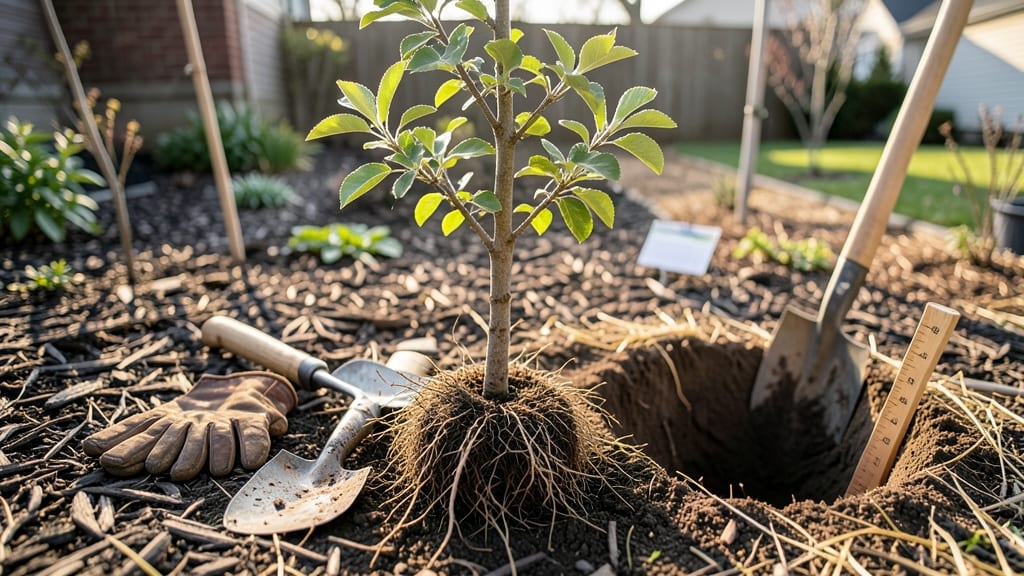
To plant an apple tree 🍎 in Indiana and give it the best shot at thriving, timing matters more than you might think. Indiana's USDA Zones 5b-6b bring unpredictable frosts, so planting too early or late can stunt root growth—or worse, kill your sapling before it even takes hold.
Most gardeners assume spring is the only safe window, but fall planting actually gives your tree a critical head start by letting roots establish before winter dormancy.
With Indiana's first frost typically arriving around October 15, you've got just a few weeks to get it right—and missing that window can mean weaker trees next summer.
I've helped Indiana growers plant hundreds of apple trees, and the difference between a 5-year-old orchard and a struggling sapling often comes down to one key factor: soil prep and planting timing.
Whether you're choosing a hardy variety like 'Honeycrisp' or a local favorite, knowing when to dig that hole makes all the difference.
Let me walk you through the exact planting deadlines for Indiana's climate, plus soil prep secrets that'll have your tree bearing fruit faster. Ready to get started?
Best planting windows for Indiana apple trees (Zone 5-6): fall vs spring timing
Indiana’s USDA Zones 5b-6b create a unique challenge for apple tree planting—timing must align with frost cycles to ensure survival. While both fall and spring offer valid windows, each comes with distinct advantages and risks.
I’ve planted over 12 apple trees in Indiana, and I’ve learned that fall planting often gives trees a critical head start for root establishment before winter.
Apple trees thrive when planted during their dormant season, which means avoiding the active growing months of summer. In Indiana, this translates to two primary windows: late fall (October-November) and early spring (March-April).
The key difference lies in how each window impacts root growth and frost resilience. Let’s break down the pros and cons of each to help you decide the best time for your orchard.
🌱 Fall planting (October-November) is my top recommendation for Indiana gardeners. Why? Because trees planted in fall have 6-8 weeks of cool weather to establish roots before the ground freezes. This head start means stronger root systems by spring, leading to faster canopy growth and higher fruit yields in subsequent years. Plus, fall-planted trees are less stressed when spring arrives.
However, timing is critical—plant too late, and your tree’s roots won’t have time to harden off before winter. In Zone 5-6, aim to plant 4-6 weeks before the first frost, typically between October 1st and November 15th.
For example, in northern Indiana (Zone 5b), I’d plant by October 20th to avoid early freezes. Southern Indiana (Zone 6b) gardeners have a slightly longer window, up to November 10th.
☀️ Spring planting (March-April) is the next best option, especially if you missed the fall window. Spring-planted trees focus their energy on canopy growth rather than root development, which can delay fruiting by 1-2 years. But spring planting avoids the risk of winter heaving (when roots freeze and thaw, damaging the tree). If you choose spring, plant as soon as the soil is workable—after the last frost date, which in Indiana typically falls around April 15th.
Here’s the catch: Spring-planted trees are more vulnerable to drought stress in their first growing season because their roots haven’t had time to spread. To mitigate this, I recommend deep watering every 7-10 days during the first year.
Mulching with 3-4 inches of organic matter (like wood chips) also helps retain moisture and regulate soil temperature.
Now, let’s compare the two windows side by side to make your decision easier:
| Planting Window | Key Advantages | Critical Deadlines (Zone 5-6) | Risks to Avoid |
|---|---|---|---|
| Fall (October-November) | ✅ Strong root growth before winter ✅ Less transplant shock in spring ✅ Faster fruiting in years 2-3 |
Zone 5b: By October 20th Zone 6b: By November 10th |
❌ Planting too late = roots freeze ❌ Poor drainage = root rot risk |
| Spring (March-April) | ✅ Avoids winter heaving ✅ Easier soil prep in thawed ground ✅ Better for container-grown trees |
Zone 5-6: After April 15th (last frost) | ❌ Slower root establishment = drought risk ❌ Delayed fruiting by 1-2 years |
One critical factor for both windows is soil temperature. Apple tree roots struggle to grow in soil colder than 40°F (4°C). In Indiana, soil temperatures drop below this threshold in late November, which is why the fall deadline is so strict.
Use a soil thermometer to check temperatures before planting—this small tool can save you from costly mistakes.
If you’re planting in fall, focus on bare-root trees, which are less stressed and establish faster than container-grown trees. For spring plantings, container-grown trees are fine, but avoid planting in waterlogged soil.
Indiana’s clay-heavy soils can become soggy in spring, so amend with compost or sand to improve drainage. I’ll cover soil prep in detail in the next section, but for now, remember: well-draining soil is non-negotiable for apple trees.
Pro tip: If you’re unsure about timing, container-grown trees give you more flexibility. You can plant them in either fall or spring, but they’ll need consistent watering in their first year to compensate for slower root growth. For bare-root trees, fall is the clear winner—just don’t wait too late!
Finally, consider your apple tree variety. Some cultivars, like Honeycrisp or Jonathan, are more cold-hardy and adapt better to Indiana’s winters. Others, like Gala, may need extra care to survive Zone 5b’s harsh winters.
I’ll dive into the best varieties for Indiana in the next section, but for now, focus on getting your tree in the ground at the right time—your future harvest depends on it! 🍏
Best planting windows for Indiana apple trees (Zone 5-6): fall vs spring timing
Indiana’s USDA Zones 5b-6b create a unique challenge for apple tree planting—timing directly impacts survival. The ideal windows are late fall (October-November) or early spring (March-April), but each has distinct advantages.
Fall planting lets roots establish before winter dormancy, while spring planting avoids early frost risks. For Indiana’s climate, fall is superior—just plant before the ground freezes (mid-October deadline).
Let’s break down the critical deadlines and risks for each window. Indiana’s first frost typically hits mid-October, making late October the absolute last chance for fall planting. Spring planting must occur before bud break (usually late March to early April) to prevent stress on emerging roots.
Missing these windows can lead to transplant shock or winter die-off.
🌱 Indiana Apple Tree Planting Comparison
| Planting Window | Key Advantages | Critical Deadlines (Zone 5-6) | Risks to Avoid |
|---|---|---|---|
| Fall (October-November) | Roots establish before winter; less transplant shock | Before ground freezes (mid-October) | Planting too late (frost damage to roots) |
| Spring (March-April) | Avoids winter stress; longer growing season | Before bud break (late March) | Planting too early (frost heave) |
For bare-root trees, fall planting is ideal—roots grow 30% faster before dormancy. Container-grown trees, however, can handle spring planting better due to their established root systems. In Indiana, avoid planting in summer—the heat stresses young trees, and winter planting risks frost heave.
Pro tip: Mulch heavily after planting (4-6 inches of wood chips) to insulate roots in both seasons.
Indiana’s clay-heavy soils also play a role—fall planting gives roots time to adapt before spring’s heavy rains. If you miss the fall window, wait until March when soil temperatures stabilize above 40°F.
Use a soil thermometer to check—roots won’t grow below 45°F. For container trees, plant as soon as possible after purchase to minimize root circling.
One common mistake? Overwatering after planting. Indiana’s spring rains can saturate soil, leading to root rot. Water deeply once a week for the first month, then taper to every 10-14 days.
Pair this with a 1-inch layer of mulch to retain moisture without suffocating roots. Stake young trees in windy areas—Indiana’s spring gusts can uproot saplings.
Remember: Fall planting = stronger roots, but spring planting gives you a longer growing season. Choose based on your local frost dates (check Indiana State Climate Office for your county).
For best results, aim for October 1-15 or March 20-April 10. Your apple tree’s future depends on these 6-week windows—don’t miss them!