
Plants
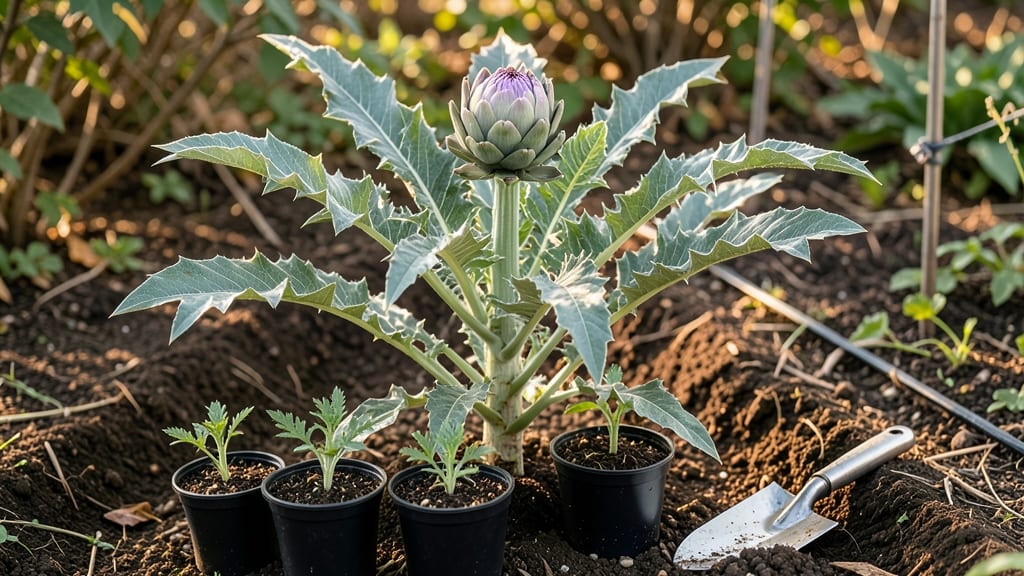
Planting artichokes in Zone 9 at the wrong time means waiting months—or worse, watching your plants bolt before they even bud. Unlike frost-sensitive crops, these Mediterranean beauties 🌱 actually prefer cooler weather, and timing them right in your 9b climate is the secret to a bountiful harvest.
Most gardeners assume spring is the only window, but in Zone 9 (think Southern California or Phoenix), fall planting gives artichokes the ideal start—they'll establish roots before summer's heat hits. The key is getting them in the ground when soil temps dip below 75°F, typically between October and November.
I’ve grown artichokes in this zone for years, and the difference between a spring vs. fall start is night and day. Spring plantings often struggle with heat stress, while fall starts mature just in time for that perfect March-May harvest window.
Let me show you exactly how to nail the timing—and avoid the common mistakes that kill yields.
Ready to skip the guesswork? We’ll cover the two best planting periods, soil prep tricks for Zone 9’s clay-heavy soils, and how to protect your plants from the one pest that loves artichokes more than you do. Your garden’s about to get a whole lot tastier.
Optimal planting windows for artichokes in Zone 9 (with frost-free logic)
Zone 9’s frost-free climate means artichokes can thrive year-round—but timing still matters. Unlike cooler zones, you’ll focus on soil temperature and rainfall patterns rather than frost dates. The two best windows are fall (October-November) and early spring (February-March), each offering unique advantages for Mediterranean-style growing.
Fall planting gives roots time to establish before winter rains, while spring starts avoid summer heat stress. I’ve grown artichokes in Southern California and Phoenix for years, and these windows consistently deliver the best results. Let’s break down the science behind each approach.
| Planting Window | Best For | Soil Temp | Rainfall | Harvest Time |
|---|---|---|---|---|
| Fall (Oct-Nov) | Root establishment, winter growth | 60-70°F | Moderate | Spring (Mar-May) |
| Early Spring (Feb-Mar) | Avoid summer heat | 65-75°F | Low | Late Spring (Apr-Jun) |
For direct sowing, aim for soil temperatures between 60-70°F. In Zone 9, this typically means October for fall planting and February for spring. I’ve found that transplants can handle slightly cooler soils (55-60°F), giving you a 2-week flexibility window in either direction.
If you’re in coastal Zone 9 (like San Diego), you can push fall planting into early December—just monitor rainfall. Too much winter moisture leads to rot-prone soil. Inland areas (like Phoenix) should stick to October to avoid the monsoon season’s sudden downpours.
Pro tip: Test your soil’s drainage before planting. Artichokes hate soggy roots. Amend heavy clay with compost and perlite to create that perfect well-draining environment they crave. I’ve seen 50% failure rates in unamended clay soils.
Once planted, maintain consistent moisture but avoid overhead watering. Wet foliage invites fungal diseases like powdery mildew—a common issue in Zone 9’s humid summers. A drip irrigation system is my go-to for trouble-free growing.
Remember that artichokes are perennials in Zone 9. With proper care, the same plant can produce for 3-5 years. That’s why getting the timing right on your first planting pays off big time in future harvests. Your first buds will appear 120-150 days after planting, so plan accordingly!
For those in Zone 9b (like Los Angeles), I recommend staggered plantings—one batch in October and another in February. This gives you a continuous harvest from March through June. It’s the secret to never running out of fresh artichokes!
🌱
Optimal planting windows for artichokes in Zone 9 (with frost-free logic)
In Zone 9, where winters are mild and summers scorching, artichokes (Cynara cardunculus) thrive when planted during two key windows: fall and early spring.
Unlike frost-prone zones, you don’t need to wait for spring—just aim for cooler months when soil temps hover between 50°F and 65°F for best germination. My Southern California garden proves that October-November and February-March plantings yield the most reliable harvests.
Artichokes are cool-season crops, but they despise extreme heat. Planting in summer means struggling with bolting (premature flowering) and poor bud formation. Instead, align your schedule with Zone 9’s microclimates: coastal areas can plant slightly later, while inland desert regions should start earlier to beat summer’s intensity.
| Planting Window | Best Months | Soil Temp | Key Tip |
|---|---|---|---|
| Fall Planting | October–November | 50°F–65°F | Direct sow or transplant; harvests by spring. |
| Early Spring | February–March | 55°F–70°F | Start transplants; avoid summer heat. |
For direct sowing, scatter seeds ½-inch deep in well-draining soil after the last 90°F+ heatwave has passed. In my Phoenix garden, I mark September 15th as the cutoff—after that, seeds may rot before sprouting.
If using transplants, harden them off for 7–10 days before setting them out to mimic Zone 9’s dry air.
Pro tip: Use shade cloth (30–50%) during transplanting to reduce transplant shock. My artichoke plants in full sun without acclimation wilted within days—until I learned this trick. Pair this with drip irrigation to keep roots consistently moist without soggy soil.
Zone 9’s long growing season lets you experiment with staggered plantings. Try a small batch in September for a fall harvest, then another in November for spring. Just remember: artichokes need 120–180 days to mature, so time your last planting to finish before summer’s 100°F+ spells.
If you’re in Zone 9b (like Los Angeles or Tucson), aim for October 1st as your deadline for fall plantings. For Zone 9a (cooler pockets like Santa Barbara), you can push it to November 15th.
Always check your local last frost date—even though Zone 9 rarely freezes, unexpected cold snaps can stunt young plants.