
Plants
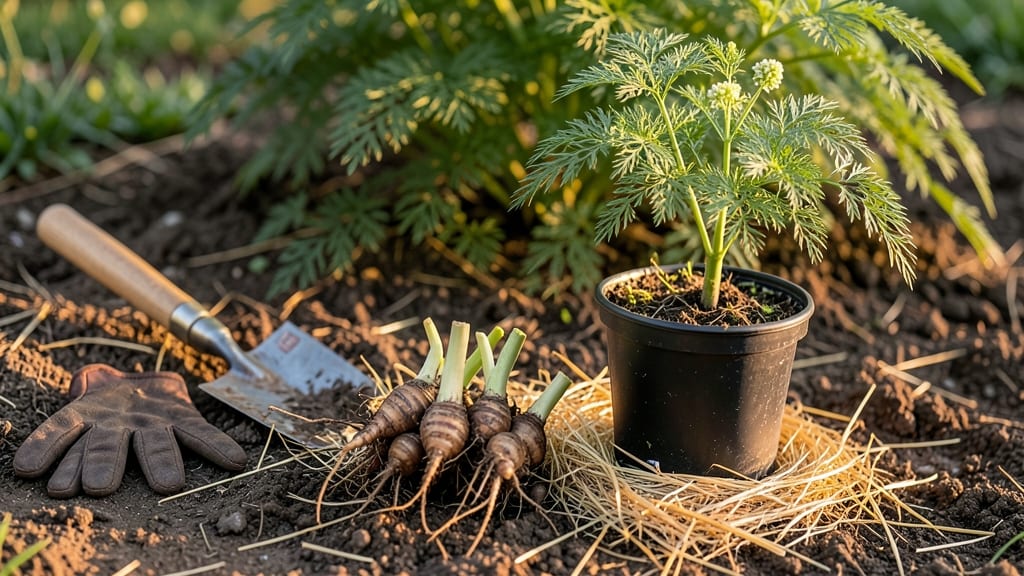
If you’ve ever dreamed of harvesting your own crisp, homegrown asparagus 🌱 but missed the narrow window to plant it in Arkansas, you’re not alone—this perennial crop demands precision timing to thrive in our 7a-8b climate.
The key to success lies in planting asparagus crowns between late February and early March, when soil temperatures rise just enough to encourage root growth without risking early frost. Arkansas’s unpredictable spring weather means getting this wrong could leave your plants struggling—or worse, dead before they even sprout.
But here’s the good news: with the right variety and a few pro tips tailored to Arkansas’s humidity and heat, you can extend that planting window and enjoy three to five years of bountiful harvests.
Let’s break down exactly when, where, and how to plant for maximum yield—no guesswork, just results.
Whether you’re a first-time gardener or a seasoned green thumb, mastering this timing will transform your garden from a gamble into a reliable source of fresh, homegrown asparagus every spring. Ready to get started?
Optimal planting dates for asparagus in Arkansas zones 7a-8a
Arkansas’s USDA Zones 7a-8a offer a 6-8 week frost-free window for planting asparagus crowns, but timing is critical. The ideal window spans from late February to early April, aligning with soil temperatures of 50-60°F.
In Zone 7a (north Arkansas), aim for March 1-15—after the last average frost date—while Zone 8a (south Arkansas) can start as early as February 20 if soil isn’t frozen.
Fall planting is possible in Zone 8a (e.g., Jonesboro), but requires crowns to establish roots before first frost (mid-November).
For Little Rock (Zone 7b), stick to spring—fall plantings risk root rot from Arkansas’s humid autumns. Fayetteville (Zone 7a) gardeners should wait until mid-March to avoid late frosts that can damage tender shoots.
Soil temperature is your best guide. Use a soil thermometer to confirm 50°F+ at 4-inch depth. In 2023, Little Rock’s soil hit this threshold March 5, while Jonesboro’s warmed February 22.
Planting too early in cold soil stunts root growth, delaying first harvest by 2-3 years.
Arkansas’s humid summers and unpredictable springs demand flexibility. If unseasonable cold hits (like the 2021 April freeze), delay planting until soil stabilizes. For container growing, extend the window by 2-3 weeks—pots warm faster than in-ground beds.
Here’s your Arkansas-specific planting timeline by zone, including last frost averages and soil prep cues:
| Zone | Last Frost Date | Ideal Planting Window | Soil Temp Threshold | Notes |
|---|---|---|---|---|
| 7a (e.g., Fayetteville) | Mid-March | March 15–April 1 | 50–60°F | Wait for consistent 50°F+ nights; avoid late frosts. |
| 7b (e.g., Little Rock) | Early March | February 28–March 15 | 50–60°F | Plant after March 1 if unseasonable cold is forecasted. |
| 8a (e.g., Jonesboro) | Late February | February 20–March 10 | 50–60°F | Fall planting possible (Sept 15–Oct 15) for Zone 8a only. |
Pro tip: Arkansas’s clay-heavy soils (common in south Arkansas) drain poorly, risking root rot. Amend beds with 2–3 inches of compost and consider raised beds in Zone 8a to improve drainage. For sandy soils (north Arkansas), mix in peat moss to retain moisture.
After planting, mulch with straw or pine needles to keep soil temps stable. In Zone 7a, this is critical—temperature swings can delay first harvest by a full year.
Monitor your bed weekly for asparagus beetles, which thrive in Arkansas’s heat and can defoliate plants by June.
Remember: Patience pays off. Asparagus crowns take 2–3 years to establish before yielding spears. Planting at the right time in Arkansas ensures you’re not just growing a crop—you’re building a decade-long harvest.
Optimal planting dates for asparagus in Arkansas zones 7a-8a
Arkansas’s USDA Zones 7a-8a offer a narrow but critical window for planting asparagus crowns, typically between late February and early April. This timing aligns with soil temperatures warming to 50°F (10°C), a key threshold for root establishment.
In Zone 7a (northern Arkansas, e.g., Fayetteville), aim for late February to mid-March to avoid late frosts, while Zone 8a (southern Arkansas, e.g., Jonesboro) can extend planting until early April.
Fall planting is not recommended in Arkansas due to the state’s humid winters, which increase fungal risks like root rot. If you miss the spring window, consider container growing for delayed planting, but expect reduced yields the first year.
Local frost data from the National Weather Service shows Little Rock’s average last frost is March 15, while Fayetteville’s is March 1—plan accordingly.
| Zone | Optimal Planting Window | Soil Temp Threshold | Key Consideration |
|---|---|---|---|
| 7a (Fayetteville) | Late February – Mid-March | 50°F (10°C) | Avoid late frosts; use row covers if needed |
| 7b (Little Rock) | Mid-February – Late March | 50°F (10°C) | Humidity increases fungal risk; amend soil with compost |
| 8a (Jonesboro) | Early March – Early April | 50°F (10°C) | Longer growing season; monitor for asparagus beetles |
For maximum yield, prioritize planting in well-drained, sandy loam soil with a pH of 6.5–7.5. Arkansas’s clay-heavy soils (common in the Delta region) require amendments like compost or sand to prevent waterlogging.
Test your soil 4–6 weeks before planting—Arkansas Extension offices offer free or low-cost testing—and adjust lime or sulfur as needed to hit the ideal pH range.
Pro tip: Pre-soak asparagus crowns for 24 hours before planting to encourage root growth. Arkansas’s spring rains can sometimes delay planting, so have your bed prepared with 2–3 inches of compost and a balanced fertilizer (5-10-10) ready to go.
This head start ensures your asparagus crowns establish roots quickly once soil temperatures stabilize.
If you’re in Zone 8a and experience an unusually warm winter, you might see early sprouting in January. In this case, cover young shoots with mulch to protect them from freezing nights (common in Arkansas’s microclimates).
Delay planting until soil temperatures consistently stay above 50°F to avoid stunted growth.
Remember: Patience is key with asparagus—it takes 2–3 years to establish a full harvestable bed. But in Arkansas’s climate, timing your planting right ensures your perennial crop thrives for decades with minimal maintenance. Start small with 3–5 crowns to test your soil and microclimate before expanding.