
Plants
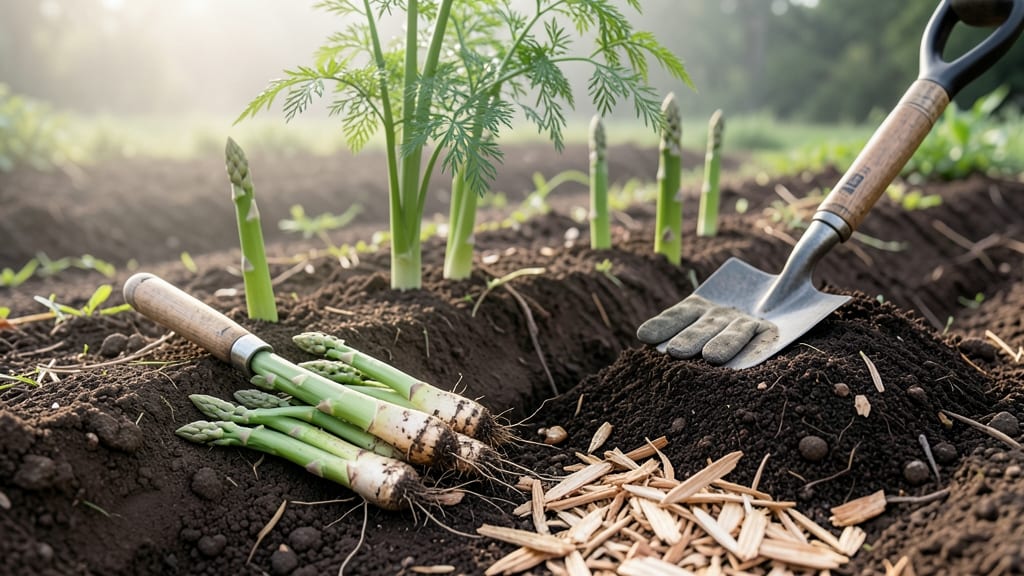
Planting asparagus in Kentucky at the wrong time could mean waiting years for your first harvest—or worse, losing your entire crop to frost.
The key to success lies in understanding USDA Zone 6b's unique climate, where timing isn't just about months but soil temperatures and frost patterns that vary from Louisville to Lexington.
Most gardeners know spring is the season for asparagus crowns, but in Kentucky, that window narrows to late February through early April—when the ground is workable but the last frost hasn't arrived.
Miss this, and you risk stunted growth or spears that never emerge. I've seen firsthand how a few weeks can make the difference between a thriving asparagus bed and a disappointing failure.
Here's what you need to know: soil should be at least 40°F (warmer is better), and you'll want to plant crowns 6-8 inches deep—shallow planting leads to weak roots.
Kentucky's clay-heavy soils also require special prep to ensure proper drainage, or your asparagus will rot before it even gets a chance to grow.
In this guide, I'll walk you through the exact steps to plant asparagus for a reliable harvest in Kentucky, from soil prep to avoiding common mistakes that trip up even experienced gardeners. Let's get those spears growing strong!
Best planting window for asparagus in Kentucky’s USDA Zone 6b
In Kentucky’s USDA Zone 6b, timing your asparagus planting right ensures healthy roots and a productive harvest. The ideal window is late March to mid-April, when soil temperatures consistently reach 40–50°F.
This aligns with Kentucky’s last frost date (around March 15), reducing frost risk to tender asparagus crowns.
Kentucky’s microclimates can shift planting by 1–2 weeks. Northern regions (e.g., Lexington) may need to wait until mid-April, while southern areas (e.g., Bowling Green) can plant as early as February’s end. Always check your local frost forecast before planting.
First-year plants focus on root establishment, so don’t harvest spears. Subsequent years (years 2–3) yield full production if planted correctly. Asparagus is a perennial, meaning it returns yearly—so get the timing right from the start!
| Stage | Action | Kentucky-Specific Notes |
|---|---|---|
| Soil Warmth | 40–50°F (test with soil thermometer) | Northern KY: Wait until mid-April; Southern KY: Late March |
| Planting Depth | 6–8 inches deep (crowns only) | Clay-heavy soils? Amend with compost first |
| Spacing | 12–18 inches apart (rows 3–4 ft apart) | Deer-prone areas? Use fencing after planting |
| First Harvest | Year 2–3 (never harvest year 1) | Late spring frosts can delay harvest by 2 weeks |
For container planting, use large pots (at least 12 inches deep) and plant in early April to avoid cold snaps. Containers warm up faster than ground soil, giving you a 2-week head start in cooler microclimates like Northern Kentucky.
If you miss the spring window, you can plant asparagus in early fall (September), but roots won’t establish as strongly before winter. Fall-planted crowns may need extra mulch to insulate them during Kentucky’s freezing winters.
Pro tip: Mark your planting date on a calendar and note the last frost date for your county. This helps track when to expect spear emergence (typically 60–90 days after planting). In Kentucky, this usually lands in late April to early May.
Once planted, asparagus crowns take 2–3 years to reach full production. Patience pays off—Kentucky gardeners who plant correctly often enjoy harvests for 15+ years from the same bed! Just ensure you avoid disturbing the roots after planting.
After planting, apply 2–3 inches of mulch (straw or shredded leaves) to retain moisture and suppress weeds. Kentucky’s humid summers can lead to fungal issues, so keep mulch 3–4 inches away from crowns to prevent rot.
Finally, resist the urge to harvest in year one—even if spears emerge. Letting the plant focus on root growth ensures a bigger harvest in years 2–3. In Kentucky, this means waiting until spring 2025 for your first real asparagus feast!
Best planting window for asparagus in Kentucky’s USDA Zone 6b
Kentucky’s USDA Zone 6b offers a perfect window for planting asparagus crowns in early spring, when soil temperatures reach 40–50°F. This typically falls between mid-March and early April, just before the last expected frost date around March 15.
Planting too early risks frost damage, while waiting too long delays root establishment for the first year.
For Kentucky gardeners, timing also depends on microclimates. Northern regions (e.g., Lexington) may need to wait until late March, while southern areas (e.g., Bowling Green) can plant as early as February. Always check your local frost dates to avoid planting too soon.
Asparagus is a perennial crop, meaning it produces for years after proper planting. The first year focuses on root growth, so avoid harvesting spears. Subsequent years (years 2–3) yield abundant harvests if planted correctly in Kentucky’s climate.
| Stage | Action | Kentucky Timing |
|---|---|---|
| Soil Prep | Amend soil with compost; test pH (6.5–7.5) | Fall or early spring (Feb–March) |
| Plant Crowns | 6–8" deep, 12–18" apart | Mid-March to early April |
| First-Year Care | No harvest; water deeply weekly | Spring to fall (April–Oct) |
| Harvest Ready | Spears 6–8" tall, tight tips | Year 2–3 (April–June) |
🌱 Pro Tip: Mulch heavily after planting to retain moisture and regulate soil temperature.
If you miss the spring window, you can plant asparagus in early fall (September), but this is riskier in Kentucky due to early frosts. Fall-planted crowns may not establish roots before winter, leading to poor yields. Stick to spring planting for reliable results.
For container gardening in Kentucky, plant asparagus in large pots (18"+ deep) and move them to a sheltered location if frost threatens. Containers warm up faster than garden beds, so you may plant 1–2 weeks earlier than in-ground plants.
Monitor your garden’s microclimate—areas near lakes or hills may experience later frosts than urban centers. Use a frost calendar or local extension service (e.g., UK Extension) for precise timing tailored to your Kentucky county.