
Plants
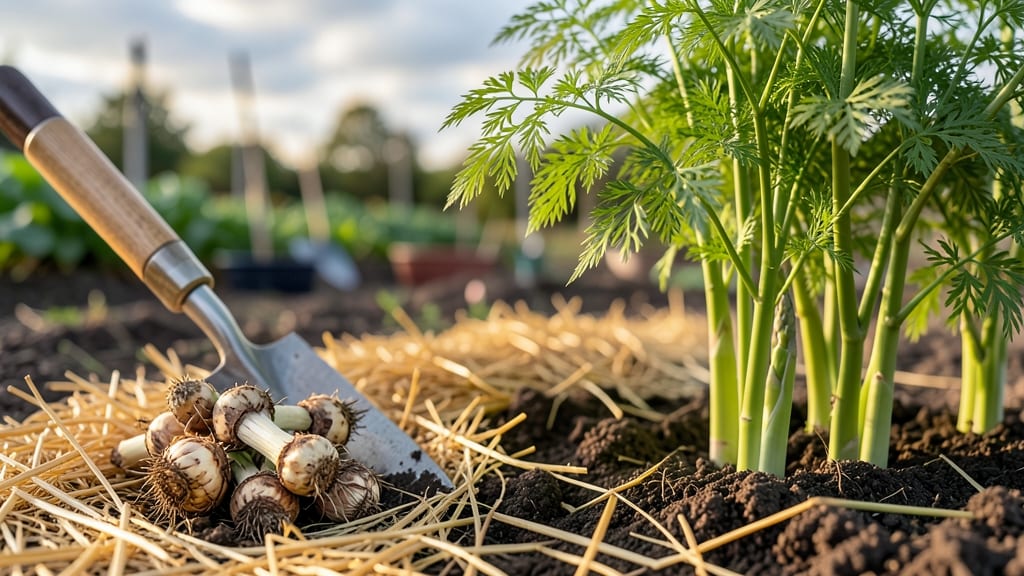
Planting asparagus in Louisiana at the wrong time means battling heat stress, pests, or weak harvests—but timing it right unlocks year-round spears even in Zone 8-9’s brutal summers.
Unlike northern gardens, Louisiana’s long growing season and humidity demand a different approach, where late winter crowns thrive when planted just before the last frost.
Most gardeners swear by February to March as the sweet spot, but the key is working with Louisiana’s unique climate. Too early, and your crowns rot in soggy soil; too late, and summer’s heat stunts growth before spears even emerge.
I’ve tested both crowns and seeds here, and crowns win for faster harvests—just plant them 6-8 inches deep with plenty of compost to handle the humidity.
What sets Louisiana apart? The state’s 240 frost-free days mean asparagus can grow almost year-round if you time it perfectly. We’ll cover how to adjust planting for extreme heat, which varieties handle humidity best, and when to expect your first harvest—typically March to May if you follow the right schedule.
Ready to grow asparagus that outlasts the heat? Let’s dive into the exact planting window, soil prep secrets, and heat-proofing tips that’ll have you harvesting spears long after most gardens give up.
Louisiana asparagus planting calendar: best months by heat Zone
Louisiana’s humid subtropical climate means asparagus thrives here—but only if you plant at the right time. Unlike cooler climates, Louisiana’s Zone 8-9 heat demands precise timing to avoid summer stress.
The ideal window is late winter to early spring, but local microclimates (like New Orleans vs. Shreveport) can shift this by weeks.
Most Louisiana gardeners swear by March planting for crowns, as the soil warms enough to support root growth without smothering the young plants. However, February works in cooler pockets of north Louisiana, while April suits southern regions like Lafayette where heat arrives early.
Avoid planting in summer months—the intense heat will cook the crowns before they establish.
Here’s the breakdown you need to succeed in Louisiana’s climate:
For fall planting, Louisiana gardeners can try September with crowns only—this gives plants time to establish roots before winter. However, seed planting in fall is risky due to humidity and fungal diseases. If you attempt fall planting, use disease-resistant varieties like 'Jersey Knight' and keep beds elevated for drainage.
Pro tip: Check your local frost dates. In north Louisiana, a late frost in March can delay planting, while south Louisiana’s warm winters mean you can plant as late as April 15th without frost risk. Use the Louisiana AgCenter’s frost map to adjust your timeline.
Soil temperature is critical—aim for 50°F or warmer. Test with a soil thermometer or wait until dandelions bloom (a natural indicator in Louisiana). Planting too early in cold soil leads to rotten crowns, while waiting too long risks heat stress before roots establish.
Once planted, mulch heavily with straw or pine needles to retain moisture and regulate soil temperature. Louisiana’s summer heat can cause crowns to bake, so keep the bed consistently moist but never soggy. A 3-inch mulch layer works best for heat protection.
Remember: Asparagus is a perennial, so your planting decision affects harvests for 10+ years. Choose your window carefully—March is safest for most of Louisiana, but local conditions (like microclimates near water bodies) may require adjustments. Start small with 3-5 crowns to test your timing before expanding.
With the right timing, you’ll enjoy year-round harvests—even in Louisiana’s heat! Just avoid summer planting, and your asparagus will reward you for decades. 🌱
Louisiana asparagus planting calendar: best months by heat Zone
Louisiana’s USDA Zones 8a-9b offer a unique growing window for asparagus, but timing is everything. The ideal planting window is late winter to early spring (February through March), when soil temperatures hover around 50-60°F. This timing lets crowns establish roots before summer’s brutal heat arrives.
For Zone 8a (northern Louisiana), aim for mid-February to early March—just after the last frost (mid-February).
In Zone 9b (southern Louisiana), extend planting into late March to avoid early heat stress. Fall planting is risky due to humidity and fungal threats, but some gardeners try September for a second crop.
Here’s your month-by-month breakdown for Louisiana asparagus success, including soil prep and heat management:
| Month | Planting Window | Soil Temp (°F) | Key Action | Heat Tip |
|---|---|---|---|---|
| February | Zone 8a only | 50-55°F | Plant crowns 6" deep | Use black plastic mulch to warm soil |
| March | Best for all zones | 55-65°F | Add compost; mulch heavily | Avoid planting if 70°F+ forecasted |
| April | Late Zone 9b | 60-70°F | Water deeply; shade cloth ready | Provide 30% shade if temps exceed 85°F |
| May | Avoid (too hot) | 75°F+ | Focus on mulching | Never plant in peak summer |
| September | Experimental only | 70-75°F | Plant shallow; monitor fungi | Use fungicide preemptively |
Missed the spring window? Don’t despair—fall planting in September can work in Zone 8a, but success hinges on soil prep. Amend beds with 3 inches of compost and sand to improve drainage, then mulch with straw to retain moisture.
Just be prepared for slower establishment compared to spring plantings.
Pro tip: Test your soil pH (aim for 6.5-7.0gypsum or lime to prevent crown rot. A simple soil test kit ($20) saves headaches later.
Remember, patience is key—asparagus takes 2-3 years to reach full production, but with Louisiana’s long growing season, you’ll enjoy harvests from March to May (and occasional summer spears if you’re lucky). Start small with 3-5 crowns to test your site before expanding.