
Plants
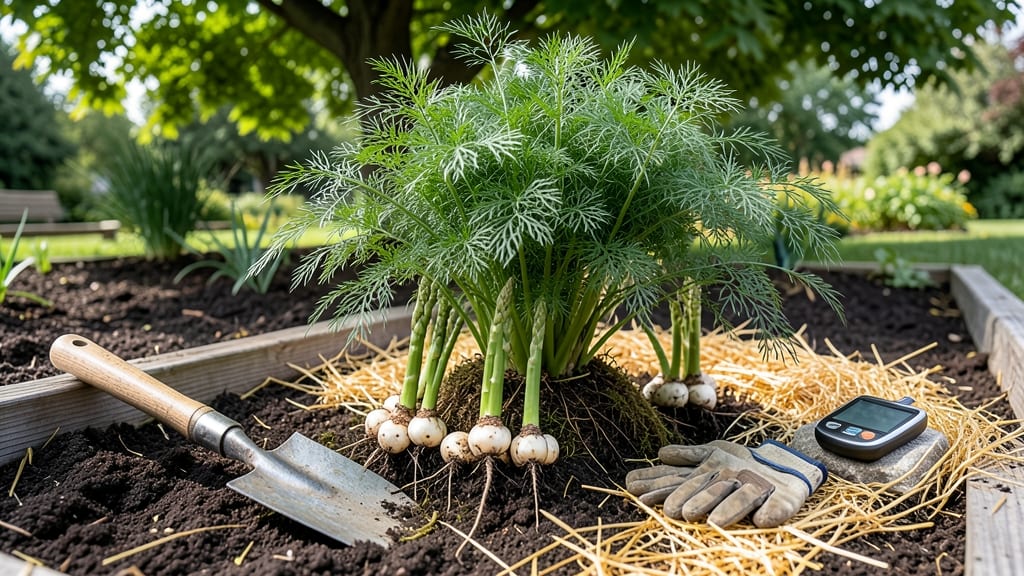
Planting asparagus in Minnesota at the wrong time means waiting years for your first harvest—or worse, watching your crowns fail before they even take root. The key to success lies in understanding when to plant asparagus in Minnesota, where chilly springs and early frosts demand precision.
Unlike warmer climates, Minnesota gardeners can’t just toss crowns into the ground when it feels right. The ideal window is early spring—March to April—when soil temperatures hover around 50°F and frost threats have passed.
But timing isn’t just about the calendar; it’s about soil readiness, crown hardiness, and knowing your specific USDA zone (3-5).
I’ve learned the hard way that planting too early risks frost damage, while waiting too long stalls root growth. The solution? A strategic approach that accounts for Minnesota’s variable climate, from soil prep to crown placement.
Let’s break down the exact steps to set your asparagus up for a bountiful harvest in just a few seasons.
Whether you’re a first-time gardener or a veteran with frostbitten failures, this guide will help you avoid common pitfalls. By mastering the perfect planting window, you’ll skip the trial-and-error phase and get straight to enjoying fresh, homegrown asparagus spears by next summer.
Minnesota asparagus planting calendar by hardiness zones (3-5)
Minnesota’s USDA hardiness zones 3-5 demand precise timing for asparagus planting—too early risks frost damage, while planting too late stunts root growth before winter. Your best window is late March through mid-April, when soil temperatures hit 40-50°F and frost danger recedes.
Northern zones (3a/3b) need extra caution, while southern areas (5a) can push planting slightly later.
Asparagus crowns establish roots slowly—planting too late means weak growth before winter dormancy. In zone 4, aim for April 1-15; in zone 5, stretch to April 15-30. Always check your last frost date (typically mid-May) and plant 4-6 weeks before to avoid spring freezes.
Soil temperature is critical: asparagus roots need consistent warmth to grow. Use a soil thermometer—plant when temps stay above 40°F at 4-inch depth. Cold soil delays root development, leaving plants vulnerable to winter kill. In Minnesota’s short growing season, every week counts.
Pro tip: Cover beds with black plastic mulch 1-2 weeks before planting to warm the soil faster. This trick adds 2-3°F to soil temps, giving roots a head start in cooler zones like zone 3a. Remove the plastic after planting to prevent overheating.
| Zone | Ideal Planting Window | Soil Temp Threshold | Key Risk |
|---|---|---|---|
| 3a (Northern MN) | Late March–April 15 | 40–45°F (4–7°C) | Late frost damage |
| 3b (Central MN) | April 1–April 30 | 45–50°F (7–10°C) | Slow root growth |
| 4a (Southern MN) | April 15–May 1 | 50–55°F (10–13°C) | Heat stress if planted late |
| 4b/5a (SE MN) | April 30–May 15 | 50–55°F (10–13°C) | None (longer season) |
🌱 Note: Adjust for your microclimate—low areas frost later!
Fall planting is not recommended in Minnesota—crowns need 60 days of warm soil to establish roots before winter. If you miss spring, wait until next year.
Asparagus is a perennial, so patience pays off: spears appear 2-3 years after planting, but yields last 15+ years with proper care.
For container growing in colder zones, plant 1-2 weeks earlier—pots warm faster in spring. Use 5-gallon containers with well-draining mix (60% soil, 30% compost, 10% perlite). Move containers to a protected spot if frost threatens after planting.
Monitor your garden’s microclimate: slopes warm faster than valleys, and urban areas stay 2-5°F warmer than rural spots. Use these differences to your advantage—plant slightly later in cold pockets and earlier in warm microclimates.
After planting, mulch with 4-6 inches of straw to insulate roots and retain moisture. In zone 3, add an extra 2 inches of mulch for winter protection. This simple step reduces soil temperature swings by 10°F, protecting tender roots.
Remember: asparagus is a long-term investment. A single misstep in timing can delay your first harvest by years. But when done right, you’ll enjoy homegrown spears for decades—worth the wait!
How to prepare asparagus crowns for Minnesota’s short growing season
Preparing asparagus crowns for Minnesota’s short growing season is key to establishing strong roots before winter sets in. Start by selecting 1-year-old crowns (not older) from reputable nurseries, as they’ve already developed a robust root system.
Soak the crowns in lukewarm water for 4-6 hours before planting to jumpstart root growth—this is especially critical in Minnesota’s cool, wet springs.
Minnesota’s clay-heavy soils often need amending to improve drainage. Mix in 2-3 inches of compost and a handful of sand or perlite per planting hole to create loose, well-draining soil.
Asparagus hates soggy roots, so avoid planting in low-lying areas where water pools. A slightly raised bed (6-8 inches high) can help if your yard is prone to spring flooding.
🌱 Step-by-Step Crown Prep for Minnesota
- Soak crowns in warm water for 4-6 hours to stimulate roots.
- Amend soil with compost + sand (1:1 ratio) for drainage.
- Dig trenches 6-8 inches deep, spacing rows 18 inches apart.
- Place crowns 6 inches deep, roots facing downward, 12-18 inches apart.
- Backfill with soil, leaving 2 inches of crown exposed above ground.
- Water deeply to settle soil and remove mulch until spring growth begins.
Spacing is non-negotiable in Minnesota’s compact garden plots. Plant crowns 12-18 inches apart in rows spaced 18-24 inches apart to prevent overcrowding. Asparagus spreads aggressively, and tight spacing leads to poor air circulation, increasing fungal diseases like rust or crown rot, which thrive in Minnesota’s humid summers.
Mark planting spots with wooden stakes to avoid disturbing roots during the first two years.
Mulch plays a dual role in Minnesota: it insulates roots from late spring frosts and suppresses weeds. Apply 2-3 inches of straw or shredded leaves after planting, but leave the crowns exposed until active growth begins in spring.
This prevents rot while allowing sunlight to warm the soil. In Zone 3-4, add an extra 4-6 inches of mulch in fall to protect crowns during harsh winters.
Finally, avoid fertilizing at planting—asparagus is sensitive to high nitrogen early on. Instead, side-dress with composted manure or a balanced 5-10-10 fertilizer in early spring of the second year to support spear production.
Over-fertilizing in Minnesota’s cool climate can lead to lush foliage but fewer spears, defeating the purpose of planting asparagus in the first place.
With these prep steps, your asparagus will establish a deep, cold-hardy root system capable of surviving Minnesota’s winters and rewarding you with decades of harvests. Patience is key—spears won’t appear until the third year, but the wait is worth it for this perennial powerhouse.