
Plants
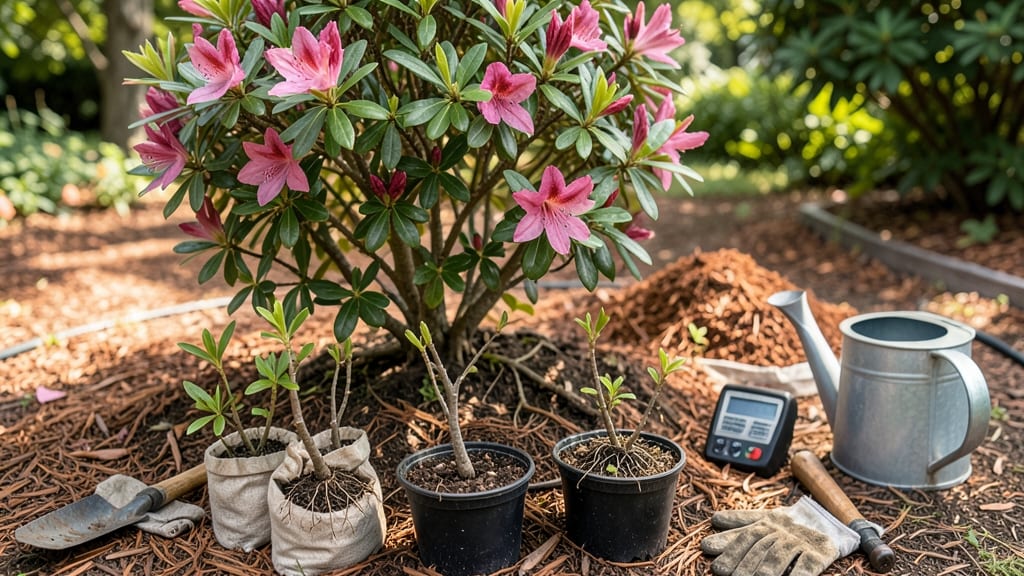
Planting azaleas at the wrong time in Florida can mean the difference between vibrant 🌸 blooms and struggling shrubs that never reach their full potential.
The key to thriving azaleas lies in understanding Florida’s unique microclimates—where a perfect timing window in North Florida might fail spectacularly in South Florida’s warmer zones.
Most gardeners know fall is ideal, but did you know early spring works too? I’ve seen azaleas planted in September through November take root beautifully, while those planted in late spring often wilt under Florida’s intense summer heat.
The secret isn’t just about months—it’s about soil prep, watering, and even where you live in the state.
Whether you’re in Zone 8a’s cooler north or Zone 11’s frost-free south, I’ll break down the best planting strategies for your region. You’ll learn how to avoid transplant shock, when to mulch, and why container planting might be your best bet in some areas.
Ready to grow azaleas that burst with color year after year? Let’s dive into the exact timing, care tips, and regional tweaks that’ll make your 🌸 shrubs the envy of your neighborhood.
Best months to plant azaleas in Florida for maximum growth
Planting azaleas in Florida requires careful timing to account for the state’s humid subtropical climate. Unlike cooler regions, Florida’s warm winters and hot summers demand precise windows to avoid transplant shock or heat stress.
The ideal months are September through November for fall planting and February through March for spring, but regional differences matter.
Fall planting is my top recommendation because cooler temperatures and higher humidity help roots establish before summer heat arrives.
In North Florida (USDA Zones 8a-8b), azaleas planted in October or November benefit from mild winters, while South Florida (Zones 10a-11) gardeners should aim for September to avoid summer’s intense heat. Spring planting in February or March works well statewide but requires extra watering.
🌸 Florida Azalea Planting Comparison
| Region | Best Planting Window | Soil Prep Tip | Key Consideration |
|---|---|---|---|
| North Florida (Zones 8a-8b) | October–November | Add pine bark fines for acidity | Mild winters reduce frost risk |
| Central Florida (Zones 9a-9b) | September–October | Test pH (4.5–6.0) | Humidity aids root growth |
| South Florida (Zones 10a-11) | September only | Improve drainage with sand | Avoid summer heat stress |
| All Regions (Spring) | February–March | Mulch with pine straw | Water deeply 2x/week |
For container-grown azaleas, timing is less critical but still matters. These plants adapt better to heat but still prefer cooler months. If you’re planting potted azaleas, September or February are safest. Always use well-draining pots with acidic potting mix (pH 4.5–6.0) to mimic their natural habitat.
Soil preparation is non-negotiable in Florida’s alkaline native soil. Amend with peat moss or sulfur to lower pH before planting. I recommend a 3-inch layer of pine bark mulch after planting to retain moisture and regulate soil temperature.
This step is especially critical in South Florida’s sandy soils, which dry out quickly.
Transplant shock is the biggest risk for azaleas planted outside their optimal window. Symptoms include drooping leaves or yellowing foliage. To prevent this, water deeply immediately after planting and keep soil moist for the first 4–6 weeks.
Avoid planting during Florida’s summer heat waves (June–August), as high temperatures stress young roots.
If you miss the ideal window, don’t panic. August or April are secondary planting months, but success depends on extra care. For August plantings, provide daily shade cloth and morning watering to protect roots. April plantings benefit from Florida’s spring rains, reducing irrigation needs.
Pro tip: Choose native Florida azaleas like Rhododendron austrinum (Florida azalea) for better heat tolerance. These varieties thrive in USDA Zone 7b–10a and handle humidity better than exotic types. Always buy bare-root or container-grown plants from reputable nurseries to ensure healthy stock.
Finally, remember that azaleas bloom on old wood, meaning they set buds in late summer/fall for spring blooms. Planting at the right time ensures your shrubs have enough energy to produce vibrant flowers the following year.
With the right timing and care, your Florida azaleas will reward you with stunning spring displays for decades. 🌸
How Florida’s climate zones affect azalea planting timing
Florida’s climate zones—ranging from USDA Zone 8a in the north to Zone 11 in the south—create dramatic differences in azalea planting success.
In North Florida’s cooler zones (8a-9a), you’ll want to plant in late fall (October-November) to avoid winter cold snaps, while South Florida’s warm zones (10a-11) allow for year-round planting with peak success in early spring (February-March).
The key difference? Frost risk in northern regions vs. consistent heat in the south.
Coastal areas like Miami and Fort Lauderdale (Zone 11) experience no frost and high humidity, making spring planting ideal to align with natural growth cycles. Meanwhile, inland regions like Orlando (Zone 9b) benefit from fall planting to establish roots before summer’s intense heat.
Even a 100-mile difference can shift your perfect planting window by 2-3 months.
Humidity also plays a role—South Florida’s 70%+ humidity can stress newly planted azaleas, while North Florida’s drier winters require extra mulching. I’ve seen azaleas planted in August in South Florida thrive, while the same timing in Panama City (Zone 8b) leads to transplant shock from summer heat.
Always check your local frost dates before choosing a planting window.
| Florida Region | USDA Zone | Best Planting Window | Key Consideration |
|---|---|---|---|
| North Florida (Panama City, Tallahassee) | 8a-9a | October-November (fall) or February (early spring) | Frost risk; mulch heavily |
| Central Florida (Orlando, Tampa) | 9b-10a | September-November (fall) or February-March (spring) | Moderate humidity; avoid summer planting |
| South Florida (Miami, Key West) | 10b-11 | February-March (spring) or August-September (fall) | No frost; high humidity |
If you live in South Florida’s Zone 11, you can plant azaleas any month, but February-March aligns with natural blooming cycles. In North Florida’s Zone 8a, avoid planting after November 15—roots won’t establish before winter cold.
For Central Florida (Zone 9b-10a), I recommend fall planting for established roots before summer heat arrives.
Container planting offers flexibility for coastal areas where soil salinity is an issue. Move potted azaleas to shadier spots in summer to prevent leaf scorch. In inland regions, prioritize well-draining soil to prevent root rot from Florida’s heavy rains.
Always amend soil with peat moss or pine bark to maintain the acidic pH (4.5-6.0) azaleas crave.
Pro tip: Use a soil thermometer to check root zone temps—ideal planting occurs when soil temps are 60-70°F. In South Florida, this might mean planting in August, while North Florida gardeners should wait for October when temps drop.
Adjust your schedule based on your microclimate, not just the zone map.