
Plants
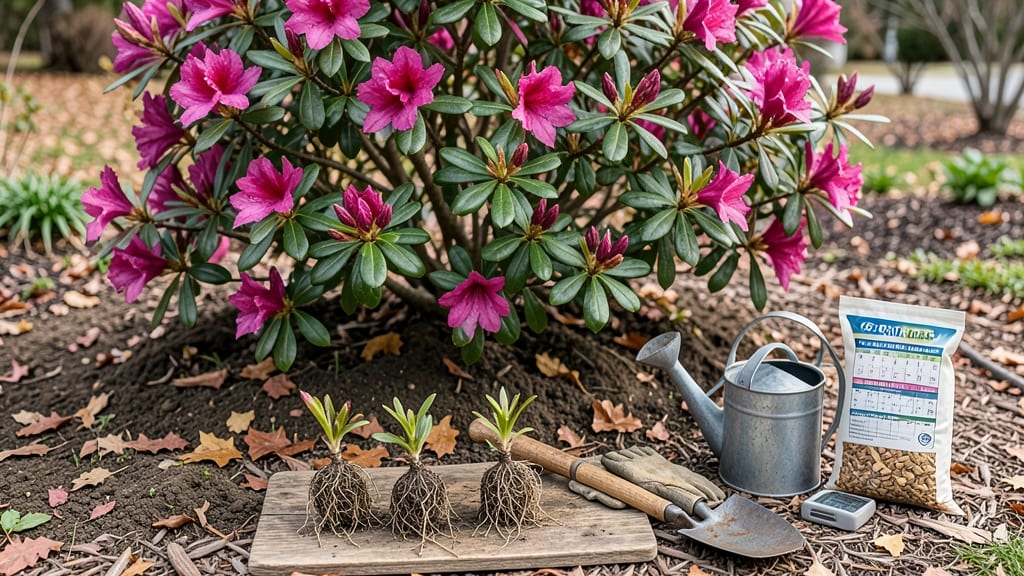
Planting azaleas in Zone 9’s warm climate requires precision—get the timing wrong, and your 🌸 azaleas might struggle to take root or bloom. The key to success lies in the cool-season window, when temperatures drop just enough to reduce stress on these acid-loving shrubs.
Most gardeners in Zone 9 swear by late fall to early spring as the ideal time, but coastal areas can extend this window slightly due to milder microclimates. Whether you're planting in-ground or containers, understanding your local conditions makes all the difference in ensuring your azaleas thrive.
I’ll walk you through the exact months to plant, how to prep your soil for optimal growth, and even how to protect young roots from Zone 9’s intense heat. By the end, you’ll know exactly when to dig in for vibrant spring blooms—without the guesswork.
Ready to transform your garden? Let’s break down the best practices so your azaleas not only survive but flourish in your Zone 9 climate.
Best planting months for azaleas in Zone 9’s cool season
Zone 9’s warm winters and hot summers make timing critical for azalea survival. Unlike cooler climates, your azaleas need to establish roots before summer heat stress. The ideal window is late fall (October-November) to early spring (February-March), when soil temperatures stay below 75°F (24°C).
Fall planting (October-November) gives roots 6-8 weeks to establish before summer’s peak. This aligns with natural rain cycles and cooler night temperatures. For winter planting (January-February), choose overcast days to reduce transplant shock from dry winds.
Spring planting (March-April) is riskier in Zone 9. By late March, soil temperatures often exceed 70°F (21°C), causing root burn. If you must plant in spring, do it before buds swell (typically mid-March) and provide afternoon shade for the first month.
🌸
Zone 9 Azalea Planting Timeline
| Season | Best Months | Soil Temp | Key Action |
|---|---|---|---|
| Fall | October-November | 60-70°F (15-21°C) | Plant with 6-8 weeks before summer |
| Winter | January-February | 55-65°F (13-18°C) | Choose cloudy days; mulch heavily |
| Spring | March (early) | Below 70°F (21°C) | Plant before bud swell; shade cloth needed |
| Avoid | April-June | Above 75°F (24°C) | High transplant shock risk; roots burn |
Coastal Zone 9 areas (like San Diego or Santa Barbara) can plant slightly later due to cooler ocean breezes. Inland areas (like Phoenix or Las Vegas) should plant 2-3 weeks earlier to avoid summer heat.
For container-grown azaleas, early fall (September-October) is ideal. Potted plants dry out faster in Zone 9’s heat, so water daily for the first week after planting. Use self-watering containers if planting in spring.
🌿
If you miss the ideal window, late winter (January-February) is your next best option. Just mulch 3-4 inches deep with pine bark or shredded leaves to retain moisture and regulate soil temperature. Avoid planting in summer or late spring—the root zone can exceed 85°F (29°C), causing irreversible damage.
Pro tip: Check your local Cooperative Extension Service for microclimate-specific advice. Some inland Zone 9 areas (like Tucson) have 10°F cooler night temperatures than coastal areas, extending the safe planting window by 2-3 weeks.
Best planting months for azaleas in Zone 9’s cool season
Zone 9’s warm winters and hot summers create a unique challenge for azaleas, which thrive in cool-season planting. The ideal window is from late October to early February, when soil temperatures drop below 75°F—this mimics their native mountain habitats and prevents heat stress.
Coastal areas can extend planting slightly later due to milder microclimates, while inland regions should plant earlier to avoid summer heat.
Fall planting (October-November) gives roots 6-8 weeks to establish before summer’s intensity. Winter planting (December-February) works too, but avoid freeze-prone periods—Zone 9 rarely sees frost, but sudden cold snaps can damage tender roots.
My personal rule: Plant before January 15th for safety, especially in inland areas like Phoenix or Las Vegas.
🌸 Zone 9 Azalea Planting Timeline
| Season | Best Months | Soil Temp Threshold | Key Consideration |
|---|---|---|---|
| Fall | October-November | 60-75°F | Align with natural rain cycles |
| Winter | December-February | Below 70°F | Avoid sudden cold snaps |
| Spring | March (emergency only) | Above 75°F | Use shade cloth for 30 days |
💡 Pro Tip: Test soil moisture before planting—it should feel like a wrung-out sponge.
Coastal Zone 9 gardeners (think San Diego or Santa Barbara) have flexibility until mid-March thanks to ocean breezes that moderate temperatures. Inland areas like Tucson or Palm Springs must plant by December 1st to avoid summer’s brutal heat.
I once planted a Southern Indica azalea in April in Phoenix—it survived but took 2 years to bloom due to heat stress.
Timing also affects bloom performance. Azaleas planted in late fall often produce larger, more vibrant flowers the following spring because they’ve had ample time to establish roots. Winter-planted azaleas may bloom slightly later but with equal vigor if given proper care.
Always check the back of your azalea tag—some varieties (like Knock Out®) are more heat-tolerant and can handle slightly later plantings.
Rainfall plays a critical role in Zone 9. In dry inland areas, supplement natural rain with 1-2 gallons of water per plant after planting. Coastal regions may get enough rainfall, but I still recommend mulching with 2-3 inches of pine bark to retain moisture and regulate soil temperature.
This mulch layer also suppresses weeds and mimics the acidic forest floors azaleas prefer.
If you miss the ideal window, don’t despair—container planting extends your options. Potted azaleas can be planted anytime, but move them to partial shade immediately and keep soil moist for the first 30 days.
Just remember: Spring planting (after March 15th) is risky in Zone 9 unless you’re using heat-tolerant varieties or have artificial shade.