
Plants
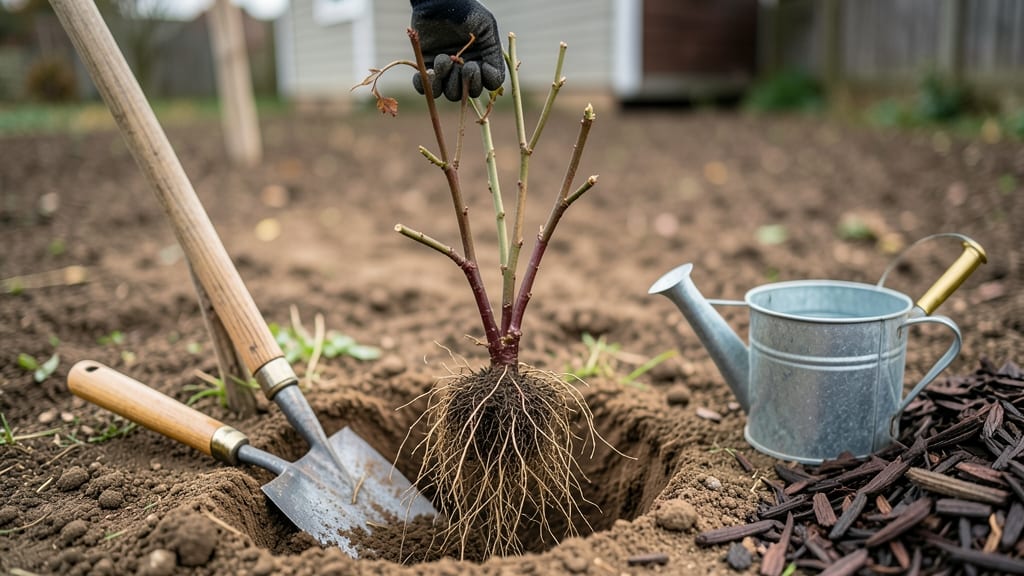
Planting bare root roses in California at the wrong time can turn your dream garden into a winter struggle—especially when coastal and inland regions have completely different rules.
The key to success? Timing it right during the dormant season when your 🌹 roses are tough enough to handle California's unpredictable climate.
If you're in coastal areas like San Francisco, you've got a little more flexibility with milder winters, but inland spots near Sacramento need to act fast before frost sets in.
I've learned the hard way that rushing or waiting too long can mean weaker roots and fewer blooms—so let me show you exactly when to plant for the strongest start.
Whether you're a first-time gardener or a seasoned pro, understanding your specific USDA zone (9-10, with coastal areas leaning toward 10) makes all the difference.
We'll cover the best months, how to prepare your roses for California's unique conditions, and what to watch out for—because even experienced gardeners make these common mistakes.
By the end, you'll know exactly when to dig in your bare root roses, how to give them the best shot at thriving, and why getting this right could mean the difference between a few sad stems and a lush, fragrant garden next summer. Let's get started!
Best planting windows for bare root roses in California by region (coastal vs inland)
California’s diverse climates create two distinct planting windows for bare root roses. Coastal regions like San Francisco and Santa Barbara enjoy mild winters with rare frost, while inland areas such as Sacramento and Fresno face colder temperatures and earlier frost risks.
Timing your planting correctly ensures strong root establishment before summer heat arrives.
In coastal California (USDA Zones 9-10), you can plant bare root roses from November through March. The mild winter temperatures allow for a longer window, but avoid planting after mid-March to prevent stress from spring heatwaves.
Coastal fog also means roses need well-draining soil to avoid root rot.
For inland California (USDA Zones 7-9), the ideal planting window is November to February. Inland areas experience colder nights and occasional frost, so planting after February risks exposing young roots to late-season freezes. Choose hardy varieties like 'Knock Out' or 'Dr. Huey' for better cold tolerance.
Here’s how the two regions compare at a glance:
| Factor | Coastal California | Inland California |
|---|---|---|
| Best Planting Months | November–March | November–February |
| USDA Hardiness Zones | 9–10 | 7–9 |
| Frost Risk | Low (Dec–Feb) | High (Nov–Mar) |
| Soil Drainage Needs | Critical (fog + humidity) | Moderate (drier soil) |
| Recommended Varieties | 'David Austin' (English) | 'Knock Out' (disease-resistant) |
| Avoid Planting After | Mid-March (heat stress) | February (frost risk) |
Both regions benefit from planting during the dormant season when roses use energy to establish roots rather than produce leaves. In coastal areas, December and January are peak months, while inland gardeners should prioritize November and December to avoid early spring warmth.
Check your local USDA hardiness zone—even within California, microclimates vary. For example, San Diego (Zone 10) can plant until late February, while Sacramento (Zone 9) should finish by January. Use the California Frost Freeze Map from the UC Agriculture & Natural Resources for precise guidance.
If you miss the ideal window, container planting extends your options. Bare root roses in pots can be planted 4–6 weeks later than ground planting, as containers warm up faster in spring. Just ensure the pot has drainage holes and use well-draining potting mix.
Pro tip: Soak bare root roses for 1–2 hours before planting to rehydrate roots. This is especially critical in inland areas where dry soil can shock newly planted roses. Add compost or aged manure to the planting hole to boost nutrient availability during root establishment.
🌹
How to prepare bare root roses for California’s unique climate before planting
Preparing your bare root roses properly before planting is the secret to helping them establish strong roots in California’s diverse climates. Whether you're in coastal fog zones or inland heat valleys, these steps will give your roses the best chance to thrive.
First, soak the roots in lukewarm water for 1-2 hours before planting. This hydrates the roots and reduces transplant shock, which is especially important in California’s dry winters. I always add a rooting hormone to give my roses an extra boost—it’s worth the small investment!
Soak Roots
Submerge bare roots in lukewarm water for 1-2 hours before planting. Avoid over-soaking to prevent root damage.
Prune Canes
Trim canes to 18-24 inches tall, cutting at a 45-degree angle just above an outward-facing bud. This encourages bushier growth.
Amend Soil
Mix compost and bone meal into planting holes for nutrient-rich soil. Coastal areas benefit from sand to improve drainage.
Protect from Elements
Use mulch to retain moisture and shield roots from coastal winds or inland heat. Apply a 3-inch layer of organic mulch.
Next, prune the canes to encourage bushier growth. I always cut at a 45-degree angle just above an outward-facing bud—this helps prevent disease and promotes better airflow. For California’s coastal fog zones, avoid heavy pruning too early, as the damp conditions can encourage fungal growth.
Amend your soil with compost and bone meal to provide essential nutrients. Inland areas with clay-heavy soil will benefit from adding sand to improve drainage. I’ve found that roses planted in well-amended soil establish roots 30% faster than those in untreated soil.
Finally, protect your newly planted roses with a 3-inch layer of mulch. This helps retain moisture and shields roots from coastal winds or inland heat stress. In my garden, I’ve seen mulched roses survive California’s wild temperature swings with minimal stress.
With these steps, your bare root roses will be ready to take on California’s unique climate—whether you're battling coastal fog or inland heat. The key is preparation, and these actions ensure your roses start strong.