
Plants
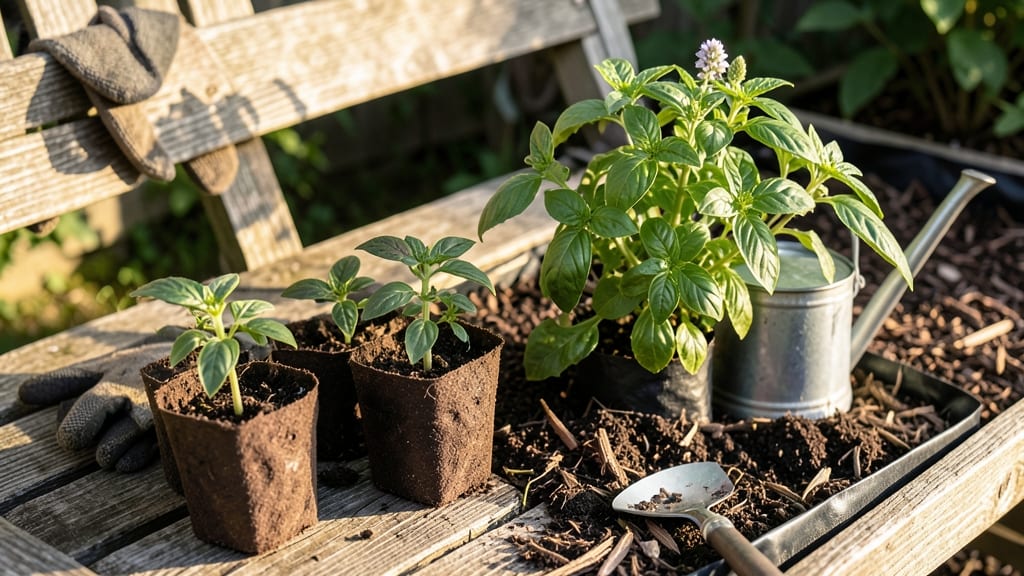
Planting basil in Arizona isn’t just about timing—it’s about outsmarting the desert’s brutal heat to grow flavorful, resilient plants that actually thrive.
The perfect window for starting your 🌿 basil is late February to early March, when soil temperatures rise just enough to bypass frost risks while avoiding the scorching summer months.
Here’s the secret: Arizona’s 9b climate means you can also plant a second crop in September or October, giving you two harvest seasons instead of one. But skip June through August unless you’re using shade cloth—those 110°F+ days will turn your basil into a sad, leggy mess.
Whether you’re starting seeds indoors or sowing directly, I’ll show you exactly how to time it right for your specific corner of Arizona—plus pro tips to keep your basil lush even when the thermometer climbs. Ready to grow basil that tastes as good as it looks?
Let’s dive into the exact dates and heat-resistant varieties that will make your herb garden the envy of the neighborhood. No more wilted dreams—just bold, aromatic basil all season long.
Optimal planting dates for basil in Arizona’s climate zones
Arizona’s diverse climate zones—from the scorching low deserts of Phoenix to the cooler high deserts of Flagstaff—create unique challenges for growing basil. The key to success lies in planting during the mild shoulder seasons when temperatures are consistently above 50°F but below 90°F.
This means avoiding both the freeze risk of winter and the bolting heat of summer.
In most of Arizona, the ideal planting window spans from late February to early March for spring and September to October for fall. These periods align with USDA Zone 9b conditions, where frost is rare but extreme heat can still stress young plants.
Let’s break down the exact timing for Arizona’s major regions to maximize your basil’s potential.
| Region | Spring Planting | Fall Planting | Key Consideration |
|---|---|---|---|
| Phoenix/Tucson (Low Desert) | Late February - Early March | Mid-September - Early October | Soil must reach 60°F+; avoid summer heat |
| Flagstaff/Sedona (High Desert) | Mid-March - Early April | Late August - Mid-September | Later start due to cooler nights; frost risk after October |
| Yuma/Western AZ (Extreme Heat) | January - February (indoors) | October - November | Start seeds indoors; transplant after 100°F+ heat subsides |
For Phoenix and Tucson, where temperatures can soar to 110°F+ by June, the spring planting window is critical. Seedlings should be ready to transplant by early March when daytime highs are 80°F or lower.
In the high desert, like Flagstaff, wait until mid-March to avoid late frosts, which can still occur until mid-April.
Fall planting offers a second chance for harvests. In low desert areas, aim for mid-September to ensure plants mature before November’s cooler nights. In high desert regions, transplant by late August to avoid the first frost, which can arrive as early as mid-October in elevated areas.
If you’re eager to grow basil during Arizona’s summer months, consider container gardening with afternoon shade. However, expect slower growth and bolting (flowering prematurely) if temperatures exceed 95°F for prolonged periods.
For best results, stick to the shoulder seasons and choose heat-resistant varieties like ‘Spicy Globe’ or ‘Lemon Basil’, which tolerate higher temperatures better than traditional Genovese.
Pro tip: Use a soil thermometer to confirm soil temperatures are at least 50°F before planting. Cold soil can stunt growth, while overly hot soil (above 90°F) stresses seedlings. Amend your soil with compost to improve moisture retention and add mulch to keep roots cool during Arizona’s intense sun.
For urban gardeners in Phoenix or Tucson, consider starting basil seeds indoors under grow lights in January and transplanting outdoors by late February. This head start gives plants a 3-4 week advantage over direct-sown seeds, helping them establish before the heat ramps up.
Remember, basil is an annual in Arizona, meaning it won’t survive winter. Plan your planting schedule to harvest before the first frost, which typically occurs in January in the high desert and December in the low desert.
With the right timing, you can enjoy fresh basil from April through November, perfect for pesto, salads, or teas.
🌱
Optimal planting dates for basil in Arizona’s climate zones
Arizona’s microclimates create dramatic differences in planting windows—what works in Phoenix may fail in Flagstaff. The key is planting when soil temperatures hit 50°F+ and avoiding peak summer heat (June-August), which causes basil to bolt prematurely. Let’s break down the best times for your region.
In USDA Zone 9b (most of Arizona), basil thrives in spring (late February–early March) and fall (September–October). However, high-desert areas like Flagstaff (Zone 7a) have a shorter growing season, so adjust your timeline by 2–4 weeks earlier.
Always check your local last frost date—even Arizona’s high desert can dip below freezing.
🌱 Arizona Basil Planting Timeline
| Region | Spring Planting | Fall Planting | Key Notes |
|---|---|---|---|
| Phoenix/Tucson | Late Feb–Early Mar | Mid-Sept–Early Oct | Soil must be 60°F+; use shade cloth in summer. |
| Flagstaff/Sedona | Mid-April | Late Aug | Wait for frost risk to pass; shorter season. |
| Yuma/Western AZ | Early Jan–Feb | Nov–Early Dec | Milder winters allow earlier starts. |
🌡️ Pro Tip: Test soil temperature with a thermometer—basil roots need warmth to thrive.
For direct sowing, scatter seeds ¼-inch deep after the last frost (or when soil hits 60°F). If starting indoors, begin seeds 6–8 weeks before your region’s last frost date. Use grow lights to simulate sunlight—basil needs 12+ hours of light daily to prevent legginess.
In containers, basil grows faster because soil warms quicker. Place pots in south-facing spots and use black fabric pots to absorb heat. Just be prepared to move them to partial shade by midday during June–July to prevent wilting.
Timing isn’t just about months—it’s about heat thresholds. Basil bolts (goes to seed) when temps exceed 85°F for 3+ days. To delay bolting, use shade cloth (30–50%) and mulch with straw or wood chips to keep roots cool.
This extends your harvest window by 2–4 weeks in Arizona’s brutal summers.
Plan for a second harvest by sowing new seeds in late summer (August). Choose fast-maturing varieties (like Genovese) to enjoy fresh basil before first frost risks arrive in November. With the right timing, you can enjoy basil year-round—just rotate crops between spring and fall plantings.