
Plants
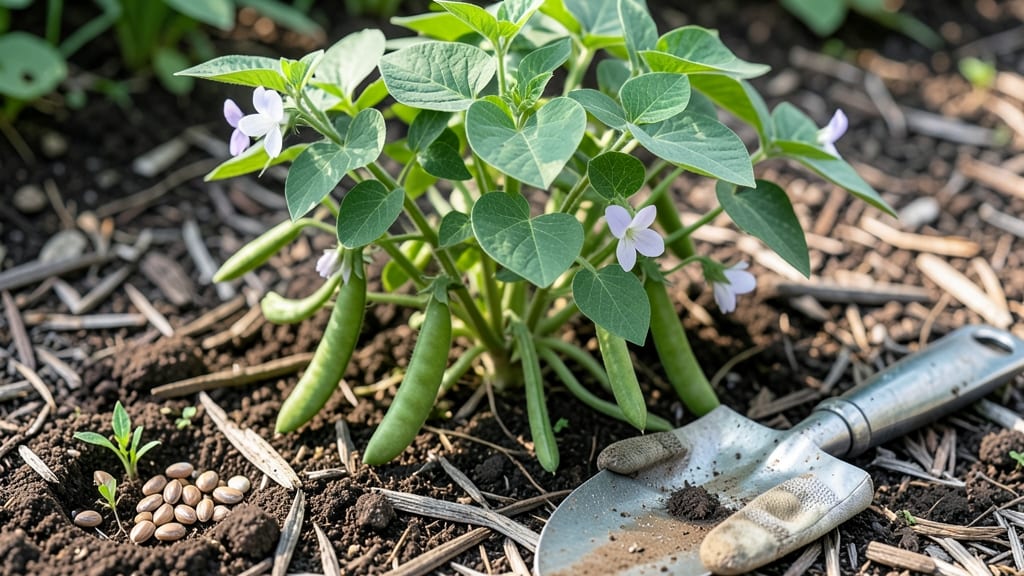
Planting beans in Massachusetts isn’t just about dropping seeds in the dirt—it’s about mastering the perfect timing to beat frost and summer heat. One wrong move, and your 🌱 harvest could vanish before you even taste those sweet pods.
I’ve grown beans here for years, and the difference between a bumper crop and a bust comes down to those critical weeks between April and May.
You might think all beans are the same, but pole beans, bush beans, and specialty varieties each have their own ideal window. Skip the guesswork and plant too early, and a late frost will wipe out your seedlings.
Wait too long, and the heat arrives before your beans mature. The key is knowing exactly when to start seeds indoors or direct-sow for your specific variety—and how to adjust for Massachusetts’ unpredictable microclimates.
What if I told you there’s a simple strategy to extend your harvest well into September? It’s all about succession planting, soil prep, and choosing the right varieties for your zone.
Whether you’re a first-time gardener or a seasoned green thumb, these tips will help you avoid the common mistakes that leave gardens empty-handed. Let’s get your beans growing strong—and your table stocked—this season.
Ready to transform your garden? I’ll walk you through the exact planting dates, soil temps to watch for, and even how to handle those tricky late starts.
No more wasted seeds or missed harvests—just a steady supply of fresh, homegrown beans from July until frost. Let’s make this your most successful bean season yet.
Massachusetts bean planting deadlines by variety type (2024 frost dates)
Massachusetts’ short growing season and unpredictable spring weather make timing critical for bean success. The average last frost date across most of the state is April 15, but coastal areas like Cape Cod can plant 2-3 weeks earlier.
Inland regions like Worcester or Pittsfield often experience frost until May 1. Plan accordingly to avoid frost damage or heat stress before harvest.
Beans thrive in warm soil (minimum 60°F) and consistent temperatures. Most varieties need 80-90 days to mature, so late starts risk a July harvest crash when summer heat arrives. Use these deadlines as your guide to align planting with Massachusetts’ frost-free window (typically 165 days from last frost).
🌱 PRO TIP: Check soil temps with a soil thermometer—beans won’t germinate well below 55°F. If early planting is risky, opt for cold-hardy varieties like 'Black Turtle Soup' or 'Kentucky Wonder', which tolerate brief cool snaps.
For late starts (e.g., if frost lingers past May 1), prioritize fast-maturing varieties like 'Blue Lake' (55 days) or 'Contender' (58 days). These can still yield a small harvest before summer’s peak heat.
If you miss the spring window, consider fall planting (late July) for cool-season varieties, though yields will be lower.
In cooler microclimates (e.g., North Shore or Berkeley), use black plastic mulch to warm soil 2-3 weeks faster. This shifts your planting window to mid-April for bush beans. Always monitor weather forecasts—a late-May frost can still occur in inland valleys.
Succession planting is key in Massachusetts. Sow new seeds every 2 weeks from May through June to stagger harvests. This ensures you’re not overwhelmed with July pods while missing September beans due to bolting. Pair pole beans (long harvest window) with bush beans (shorter but earlier) for continuous production.
🌱 🚨 WARNING: Avoid planting beans in cold, wet soil—this causes rot and poor germination. Amend soil with compost to improve drainage, especially in clay-heavy areas like Central MA. Test soil pH (ideal: 6.0–7.0) before planting.
For container gardening (e.g., balconies in Boston or Springfield), use 5-gallon pots and plant bush beans after May 15. Containers warm up faster than ground soil, giving you a 10-day head start. Just ensure pots have drainage holes to prevent waterlogging.
Track your local frost dates using the Massachusetts Horticultural Society’s frost calendar or the NOAA Climate Data portal. Adjust deadlines by ±1 week based on your specific town—elevation and proximity to water bodies (like Quincy or
How to adjust bean planting for Massachusetts’ microclimates (coastal vs. inland)
Massachusetts’ diverse geography means your bean planting schedule should vary by region. Coastal areas like Cape Cod and Provincetown enjoy warmer springs and longer growing seasons, while inland zones like Worcester or Pittsfield face later frost risks and shorter heat windows. Even a 10-mile difference can shift your planting window by 1-2 weeks, so let’s break down the key adjustments.Soil warms faster near the coast due to moderating ocean breezes, letting you plant pole beans as early as mid-April in Barnstable County. Inland areas should wait until after May 1—check your local USDA Zone 5b/6a last-frost averages (e.g., Boston: April 20, Springfield: May 5).
Use a soil thermometer to confirm 60°F+ before sowing, as cold soil delays germination.
| Region | Last Frost Date | Ideal Planting Window | Key Adjustments |
|---|---|---|---|
| Coastal (Cape Cod, Provincetown) | April 10–15 | April 15–May 1 (pole beans) | Windbreaks needed; use row covers for early starts |
| Eastern MA (Boston, Worcester) | April 20–May 1 | May 1–15 (all varieties) | Urban gardens may need black plastic mulch to warm soil |
| Western MA (Pittsfield, Springfield) | May 5–10 | May 15–June 1 (bush beans) | Later starts; prioritize heat-tolerant varieties like 'Blue Lake' |
| Valley Regions (Amherst, Northampton) | April 25–May 5 | May 10–20 (succession plant) | Soil drains quickly; amend with compost |
Wind exposure is another critical factor. Coastal gardens face salty breezes that dry soil faster—mulch with straw to retain moisture. Inland areas may struggle with late frosts after warm spells; opt for cold-hardy varieties like 'Kentucky Wonder' pole beans, which tolerate 28°F for short periods. For urban gardens, container planting extends flexibility—just ensure pots have drainage holes and use lightweight potting mix.
Shade from buildings or trees? Bush beans thrive in partial shade (4–6 hours of sun), while pole beans need full sun to produce well. If your garden gets afternoon shade, choose dwarf varieties like 'Mascotte' or plant near south-facing walls to maximize sunlight.
Test your spot with a sunlight tracker for 24 hours before committing to a layout.
Pro tip: Succession plant every 2 weeks after your initial sowing to stagger harvests. Inland gardeners can squeeze in a late-summer crop by planting heat-tolerant limas (like 'Fordhook') in early July—they’ll mature before the first frost.
Coastal areas might even try a fall crop of winter beans if you use row covers to protect from early chills.
🌱