
Companion Plants
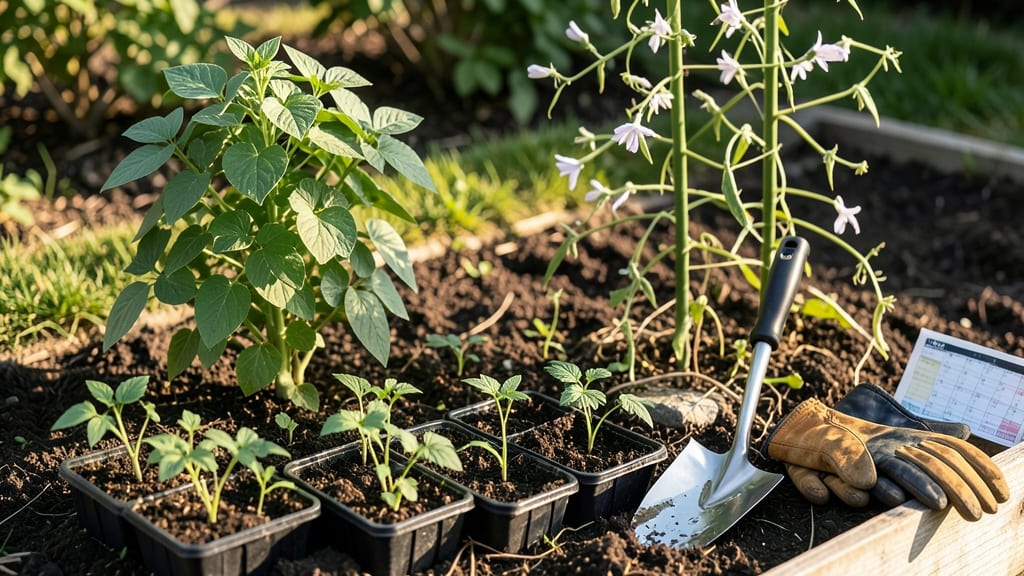
Planting beans in New Jersey at the wrong time means the difference between a bountiful harvest and wasted effort. Whether you're growing pole beans or bush varieties, timing your 🌱 beans after the last frost—typically around April 15—is critical for success in zones 6a-7b.
Too early, and a late frost will kill tender seedlings. Too late, and you’ll miss the July-September harvest window when beans reach peak flavor. I’ve learned the hard way that soil temperature matters just as much as calendar dates—wait until it hits 60°F for best results.
In this guide, I’ll break down the exact planting windows for both pole and bush beans, including how to adjust for NJ’s coastal vs. inland microclimates. You’ll also discover how to extend your harvest season with successive plantings and avoid common mistakes that ruin yields.
Ready to grow more beans than ever before? Let’s get started with the perfect timing for your garden this spring.
Best planting dates for pole vs bush beans in NJ based on soil temperature
New Jersey’s USDA Zones 6a-7b offer a 165-day frost-free growing season, but timing matters more than ever for beans. The key? Soil temperature—beans need 60°F+ to germinate, and frost risk varies between coastal and inland areas.
Let’s break down the perfect planting windows for both pole beans (longer season) and bush beans (shorter season).
For bush beans, the sweet spot is April 15–May 15 in most of NJ. These compact varieties mature faster (50–60 days), so they can handle earlier plantings as long as the soil is warm enough.
In coastal areas (like Cape May or Atlantic City), wait until May 1 to avoid late spring frosts, which can linger until April 20.
Pole beans, on the other hand, need a longer growing season (60–75 days), so plant them May 1–June 1. These vining varieties thrive with extra warmth, making them ideal for inland NJ (e.g., Trenton or Newark), where soil warms faster. If you’re in a shorter-season zone (6a), opt for early-maturing pole varieties like ‘Kentucky Wonder’ or ‘Rattlesnake’.
Here’s the critical rule: Always plant 2 weeks after your last frost date. In NJ, this typically falls around April 15, but check your local microclimate.
For example, northern NJ (Zone 6a) may need to wait until May 1, while southern NJ (Zone 7b) can start as early as April 20.
🌱
| Bean Type | Ideal Planting Window | Soil Temp Requirement | Days to Maturity | NJ Microclimate Notes |
|---|---|---|---|---|
| Bush Beans | April 15–May 15 | 60°F+ | 50–60 days | Coastal: Wait until May 1 |
| Pole Beans | May 1–June 1 | 65°F+ | 60–75 days | Inland: Start May 1 |
| Heat-Tolerant Varieties | June 15–July 15 | 70°F+ | 55–65 days | Extend season with shade |
Pro tip: Use a soil thermometer to confirm warmth. If your soil is below 60°F, wait—cold soil delays germination and can lead to rot. For container gardening, black pots absorb heat faster, helping you plant 1–2 weeks earlier than in-ground.
Another NJ-specific trick? Mulch heavily after planting to keep soil warm. Straw or grass clippings work well, especially in cooler inland areas like Sussex County. This can push your planting window 5–7 days earlier by maintaining 60°F+ soil temps.
For late-season harvests, consider shade cloth (30–50%) over pole beans planted in early June. This protects them from July heat stress while still allowing enough sunlight for pod development. Varieties like ‘Blue Lake’ or ‘Contender’ perform well under these conditions.
🌿
Remember, succession planting is your secret weapon. By staggering plantings every 2 weeks from April 15 to June 1, you can enjoy fresh beans for 2–3 months instead of a single harvest. This works especially well for bush beans, which mature quickly and leave room for follow-up crops.
One final warning: Avoid planting beans where tomatoes, peppers, or other nightshades grew last year. Beans are legumes and share diseases with these plants. Instead, rotate them with corn, cucumbers, or carrots to keep your soil healthy and productive.
Best planting dates for pole vs bush beans in NJ based on soil temperature
New Jersey’s USDA zones 6a-7b create microclimates that affect when to plant beans. Coastal areas like Cape May have earlier last frost dates (around April 1), while inland spots near Delaware Water Gap may wait until May 1.
The key factor? Soil temperature—beans need at least 60°F to germinate properly.
For bush beans, which mature faster (50-60 days), aim for planting between April 15 and May 15.
These varieties thrive in cooler soil and give you an early harvest. Pole beans, with their longer growing season (60-75 days), should go in the ground between May 1 and June 1 to avoid heat stress before they produce pods.
🌱Pro Tip: Use a soil thermometer to confirm temperatures. If your soil is still below 60°F, wait—cold soil delays germination and weakens seedlings.
🌱 Bean Planting Comparison for NJ
| Variety | Best Planting Window | Soil Temp Requirement | Days to Maturity | NJ Microclimate Notes |
|---|---|---|---|---|
| Bush Beans | April 15–May 15 | 60°F+ | 50–60 days | Coastal: Start earlier; Inland: Wait until May |
| Pole Beans | May 1–June 1 | 60°F+ | 60–75 days | Heat-tolerant varieties work for June plantings |
📅 Last Frost Dates: Coastal NJ (April 1), Inland NJ (May 1)
If you’re in Southern NJ (zones 7a-7b), you can push the envelope slightly—plant bush beans as early as April 1 if your soil warms quickly. But in Northern NJ (zone 6a), stick to the later dates to avoid frost damage.
I once planted bush beans on April 10 in Morris County, and a late frost wiped out my entire crop—lesson learned!
For pole beans, consider a second planting in early June if you want a late-summer harvest. Just choose heat-tolerant varieties like ‘Kentucky Wonder’ or ‘Rattlesnake’, which handle NJ’s July heat better than standard types.
These varieties also resist common diseases like bean mosaic virus, which thrives in humid coastal areas.
💧Watering Tip: After planting, keep soil consistently moist but not soggy. A mulch layer (straw or grass clippings) helps retain moisture and regulate soil temperature—critical for young seedlings.