
Plants
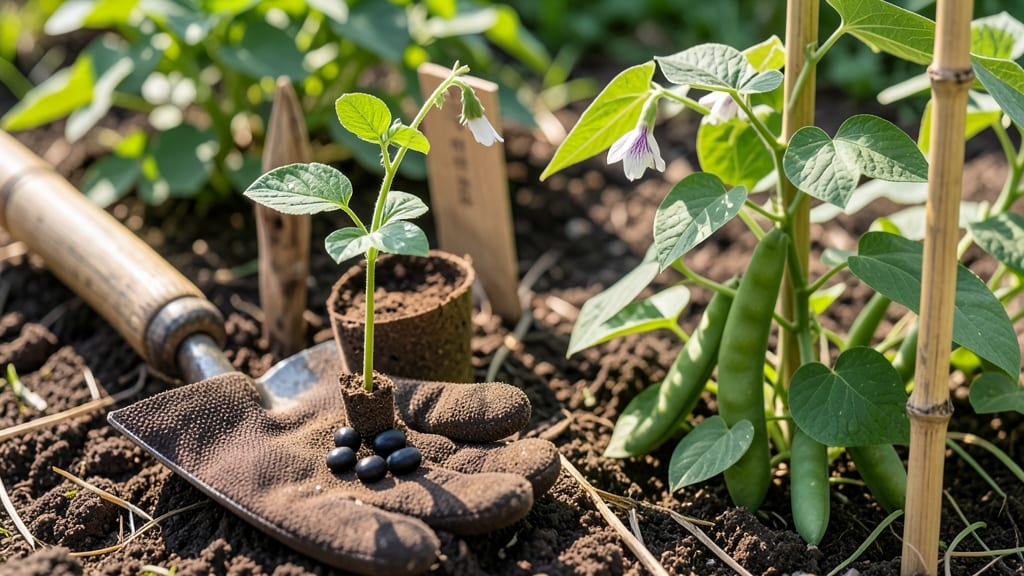
Timing your bean planting in Utah isn't just about the calendar—it's about understanding how elevation and frost dates can make or break your harvest. With USDA zones 5-7 and dramatic shifts from valley heat to mountain chill, getting it wrong means watching your seeds wither before they even sprout.
Most gardeners in Utah know the basics: wait until after the last frost, which typically hits mid-April in lower elevations. But here's the catch—what works in Salt Lake City might fail in Park City, where cooler temperatures linger weeks longer.
I'll show you how to adjust your planting schedule based on your specific zone and elevation, so you can maximize your 🌱 beans' growth potential.
Whether you're aiming for a spring harvest in July-August or a fall crop in September-October, the key lies in soil temperature and microclimates. We'll break down the science behind Utah's planting windows and share pro tips to extend your growing season without risking frost damage.
Ready to turn your garden into a bean bonanza? Let's dive into the exact timing and techniques that will have your plants thriving—no matter where you are in the Beehive State.
Utah’s bean planting zones: when to start by elevation and last frost dates
Utah’s diverse elevations create wildly different planting windows—what works in Salt Lake Valley (4,200 ft) may fail in Park City (7,500 ft). Beans thrive when soil hits 60°F+, but timing varies by 1,500+ feet in elevation. Let’s break down your zone’s last frost dates and ideal planting windows.
Most Utahans fall into USDA Zones 5-7, but elevation trumps zone numbers here. For example, St. George (2,800 ft) can plant 2 weeks earlier than Ogden (4,300 ft). Check your elevation first—it’s your planting calendar.
Here’s your elevation-based planting guide, including soil temperature thresholds and frost risks:
| Elevation Range | Avg. Last Frost | Soil Temp Threshold | Spring Planting Window | Fall Planting Window |
|---|---|---|---|---|
| 2,500–3,500 ft (St. George, Cedar City) | March 15–April 1 | 60°F (15°C) | Mid-March to early May | Late July to early Sept |
| 3,500–4,500 ft (Salt Lake Valley, Provo) | April 15–May 1 | 60°F (15°C) | Late April to early June | Late July to mid-August |
| 4,500–5,500 ft (Park City, Heber) | May 1–May 15 | 65°F (18°C) | Late May to early July | Early August to mid-Sept |
| 5,500–6,500 ft (Ogden, Logan) | May 15–June 1 | 70°F (21°C) | Early June to mid-July | Mid-August to early Sept |
| 6,500–7,500 ft (Sundance, Alta) | June 1–July 1 | 75°F (24°C) | Late June to early Aug | Late August only (high risk) |
⚠️ Note: High-elevation areas (6,500+ ft) may only support one short season. Use row covers to extend it.
If you’re in St. George or Cedar City, you can squeeze in two harvests per year—spring and fall. But in Park City or above, focus on one reliable planting and use cold frames to protect tender seedlings.
Pro tip: Test soil temperature with a soil thermometer (or your finger—60°F feels warm like bathwater). Planting too early? Seedlings will rot in cold soil. Waiting too long? You’ll miss the 60–85°F sweet spot for fastest growth.
For high-desert areas (St. George), watch for heat spikes after planting. Beans bolt (flower prematurely) when temps exceed 90°F. Use shade cloth if your forecast shows three+ days over 95°F.
Remember: Frost isn’t just about dates—it’s about microclimates. A south-facing slope warms 2–3 weeks earlier than a north-facing valley. Scout your garden in late March to spot frost pockets.
Now that you’ve got your zone locked in, let’s talk varieties—because not all beans handle Utah’s hot days and cool nights the same way. 🌱
Best bean varieties for Utah gardens and their ideal planting timing
Utah’s variable elevations and microclimates mean not all bean varieties thrive equally. For low-elevation valleys (3,500–5,000 ft), heat-tolerant varieties like ‘Kentucky Wonder’ pole beans excel, while mountain gardens (6,000–7,500 ft) benefit from cooler-loving ‘Blue Lake’ bush beans. Soil temperatures below 60°F stunt germination, so timing matters.
Pole beans (e.g., ‘Rattlesnake’) need longer growing seasons (90+ days) and perform best in Utah’s warmer valleys, planted mid-April to early June.
Bush beans (e.g., ‘Contender’) mature faster (50–60 days) and tolerate cooler soils, making them ideal for high-altitude gardens planted late May to early July.
| Variety | Type | Days to Mature | Best Utah Elevation | Planting Window |
|---|---|---|---|---|
| Kentucky Wonder | Pole | 90–100 | 3,500–6,000 ft | Mid-April–June 1 |
| Blue Lake | Bush | 50–60 | 5,000–7,500 ft | Late May–July 15 |
| Contender | Bush | 55–60 | All elevations | Mid-May–June 10 |
| Rattlesnake | Pole | 85–95 | 3,500–5,500 ft | Late April–May 15 |
For fall harvests, plant heat-tolerant varieties like ‘Provider’ in late July to early August—they thrive in 70–85°F soil and mature before Utah’s first frost (mid-October). Avoid ‘Tendercrop’ in high-altitude areas; it struggles with short growing seasons.
Test soil temperature with a soil thermometer before planting—below 60°F delays germination, while above 90°F can cause flower drop. In Utah’s desert valleys, mulch with straw to retain moisture and cool roots during heat spikes.
Succession plant bush beans every 2 weeks from May to July for continuous harvests. Pole beans, with their longer vines, need trellises or sturdy stakes—critical in Utah’s windy mountain passes. Save seeds from heirloom varieties like ‘Jacob’s Cattle’ for next year’s garden!
🌱