
Plants
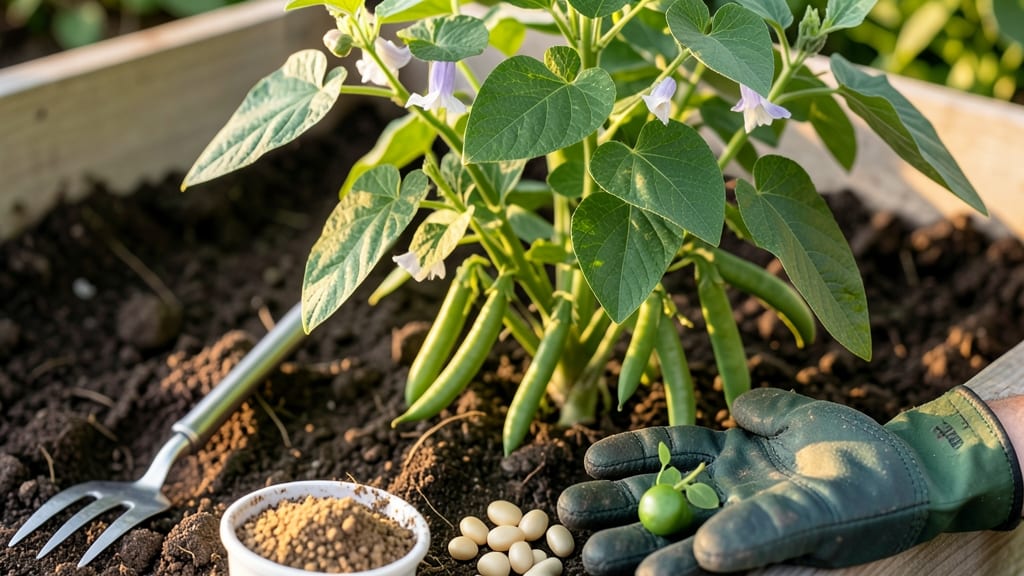
Planting beans in Wisconsin isn’t just about throwing seeds in the dirt—it’s all about timing the soil warmth and last frost just right. Get it wrong, and you’ll either lose your crop to chilly nights or miss the sweet spot for a summer-long harvest.
The key? Waiting until the soil hits 60°F and at least 1-2 weeks after the last frost date, which can vary wildly from northern to southern Wisconsin.
I’ve learned the hard way that rushing beans into cold soil leads to slow germination or worse—rotted seeds. But don’t wait too long either, because Wisconsin’s short growing season means every day counts.
Whether you’re in USDA Zone 4a or 6b, knowing your region’s frost dates and soil conditions is the difference between a thriving garden and a disappointing patch of dirt.
In this guide, I’ll break down the exact windows for planting beans in Wisconsin, from April 15 to June 1, and share my best tips for soil prep, direct sowing, and post-planting care.
You’ll discover how to stretch your harvest from July through September and avoid common mistakes that waste time and effort.
Ready to grow beans that outperform last year’s crop? Let’s dive into the details—because in Wisconsin, timing isn’t just important, it’s everything.
Wisconsin bean planting dates by region: last frost & soil warmth guide
Wisconsin’s diverse climate zones mean your bean planting timeline depends heavily on where you live. Northern Wisconsin (USDA zones 4a-4b) faces cooler springs, while Southern Wisconsin (zones 5a-6b) enjoys earlier soil warming. Understanding these regional differences helps you avoid frost damage and maximize your harvest.
Beans thrive when soil temperatures reach at least 60°F—they won’t germinate in cold soil. A soil thermometer is your best friend here. In Northern Wisconsin, wait until late May for reliable warmth, while Southern Wisconsin gardeners can start as early as mid-April after the last frost.
Here’s how to align your planting with Wisconsin’s frost-free windows. Last frost dates shift from early May in the north to mid-April in the south, creating a 3-week planting window difference across the state. Plan accordingly to avoid late-season harvests cut short by frost.
For Northern Wisconsin, aim to plant between May 20 and June 1. This gives beans enough time to mature before the first frost (typically mid-October).
In Central Wisconsin, you can start April 20 to May 10, while Southern Wisconsin gardeners have the earliest window: April 1 to April 20.
| Region | Last Frost Date | Optimal Planting Window | Soil Temp Requirement | First Frost Risk |
|---|---|---|---|---|
| Northern WI (4a-4b) | Early May | May 20 - June 1 | 60°F+ | Mid-October |
| Central WI (5a-5b) | Mid-April | April 20 - May 10 | 60°F+ | Late September |
| Southern WI (6a-6b) | Mid-April | April 1 - April 20 | 60°F+ | Early October |
Adjust your planting dates if you experience unusually cool springs. Use a row cover to protect young plants from late frosts, extending your growing season by 2-3 weeks. For pole beans, which take longer to mature, plant on the earlier end of your region’s window.
If you’re growing dwarf or bush beans, which mature faster (50-55 days), you can push your planting window slightly later. These varieties are perfect for succession planting—sow new seeds every 2 weeks through June for continuous harvests.
Pro tip: Use black plastic mulch to warm soil faster in cooler regions. This can shave 7-10 days off your planting timeline by raising soil temperatures 5-10°F above ambient levels. Just remove it once beans flower to prevent overheating.
For fall harvests, consider planting cold-tolerant varieties like ‘Provider’ or ‘Kentucky Wonder’ in early July. These can survive light frosts and extend your season into early October in Southern Wisconsin.
Always check your local Wisconsin State Climatology Office for year-to-year variations. A 3-degree temperature shift can delay or advance your planting window by 1-2 weeks, so stay flexible. With the right timing, you’ll enjoy fresh beans straight from your garden all summer long! 🌱
How to time bean planting for maximum yield in Wisconsin gardens
Timing your bean planting isn’t just about avoiding frost—it’s about giving your plants the perfect start for a high-yield harvest. In Wisconsin, where cool springs and short growing seasons are common, planting too early can stunt growth, while waiting too long may cut your harvest short.
The key is soil warmth and post-frost stability, not just calendar dates.
Beans thrive when soil temperatures hit 60°F or warmer, signaling it’s safe to plant. Use a soil thermometer to check—if it’s cooler, wait.
Even if frost has passed, cold soil will delay germination, leaving your plants vulnerable to pests or disease. Pro tip: In northern Wisconsin, aim for late May; in southern regions, early May works for early varieties.
🌱
⚠️ Common Mistakes to Avoid
- Planting too soon after frost—beans won’t germinate in cold soil (below 50°F).
- Ignoring microclimates—south-facing beds warm faster than shaded spots.
- Skipping soil prep—beans need loose, well-draining soil to prevent rot.
- Overcrowding seeds—thin seedlings to 3-4 inches apart for better airflow.
For a continuous harvest, try succession planting: sow seeds every 2 weeks from May through early June. This stretches your harvest window and reduces pressure on all plants maturing at once. Pole beans, which take longer to mature, benefit most from staggered plantings.
Adjust your schedule if your spring is unusually cool or wet. Delay planting if rain keeps soil temperatures low—beans hate soggy roots. Conversely, if your spring is dry and warm, you might push planting dates 1-2 weeks earlier safely.
Always monitor your local frost forecast and plant when nighttime lows stay above 50°F.
Once planted, mulch with straw to retain soil warmth and suppress weeds. This is especially critical in Wisconsin’s variable weather, where sudden chills can stress young plants. Mulch also keeps soil moist, reducing your watering workload during dry spells—a common issue in late summer.
By mastering these timing tricks, you’ll turn Wisconsin’s unpredictable climate into an advantage, ensuring your bean plants thrive from first sprout to last harvest. 🌿