
Plants
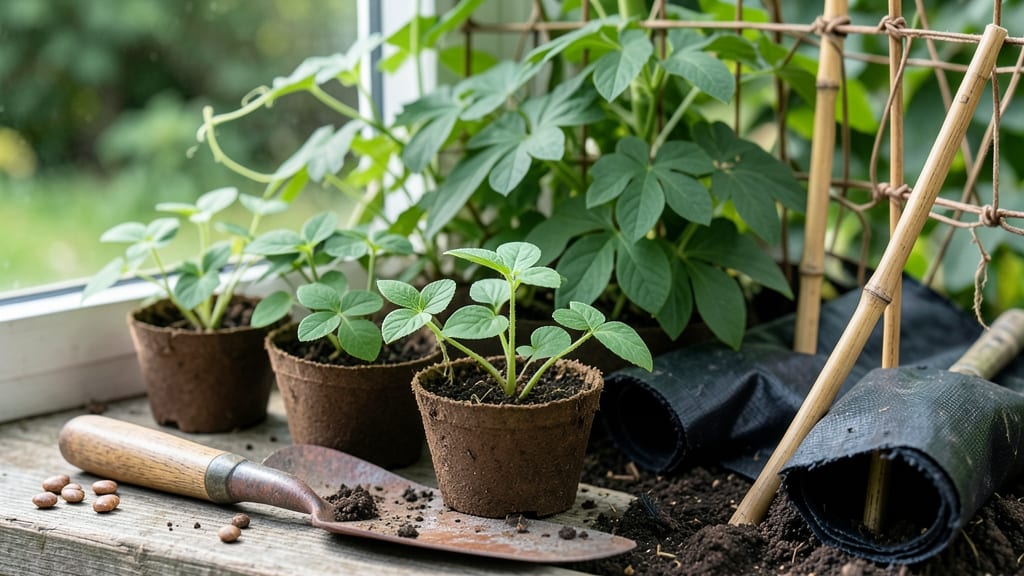
Planting beans in Zone 6 at the wrong time can turn your garden dreams into a sad, wilted mess—especially when you're just days away from a bountiful harvest.
The key isn't just waiting for spring; it's knowing when the soil warms enough to support those 🌱 seeds without risking frost damage.
Most gardeners in Zone 6 (6a-6b) aim to get seeds in the ground between April 15 and June 1, but timing varies by variety. Bush beans might tolerate cooler soils, while pole beans need that sweet 60°F mark before they'll even think about sprouting.
Get it wrong, and you're staring at leggy, weak plants—or worse, none at all.
Here's what you need to know: the perfect window, how to adjust for early or late harvests, and the three biggest mistakes that ruin bean planting in Zone 6. Whether you're a first-timer or a seasoned gardener, these insights will help you turn your plot into a productive powerhouse.
Let's dive into the exact schedule that'll have your beans thriving from July through September—no guesswork, just proven results. Ready to grow like a pro?
Optimal planting months for beans in Zone 6 by variety type
In Zone 6, timing is everything when planting beans—especially since the growing season is shorter than in warmer climates. The key is to plant after the last frost date (typically around April 15) and when soil temperatures hit at least 60°F (15°C).
This ensures your seeds germinate quickly and avoid frost damage. For most varieties, the ideal planting window spans from mid-April through early June.
Not all beans thrive in the same schedule, though. Bush beans (like 'Blue Lake' or 'Kentucky Wonder') are the fastest to mature, while pole beans (such as 'Kentucky Blue' or 'Rattlesnake') need more time to climb and produce.
Specialty varieties like lima beans or runner beans have their own timing quirks too. Let’s break it down by type so you can pick the perfect moment for your garden.
🌱
| Variety Type | Best Planting Months | Days to Maturity | Key Notes |
|---|---|---|---|
| Bush Beans | Mid-April to early June | 50–60 days | Fastest growers; ideal for succession planting. |
| Pole Beans | Late April to mid-June | 60–75 days | Need trellises; plant later for longer harvests. |
| Lima Beans | Early May to early June | 70–90 days | Heat-loving; avoid planting before soil warms. |
| Runner Beans | Late May to early June | 80–100 days | Cold-sensitive; wait until after last frost. |
For bush beans, you can even squeeze in a second planting in late June if you’re aiming for a fall harvest. Just ensure your plants mature before the first frost (usually around October 15 in Zone 6).
Pole beans, on the other hand, benefit from a single, well-timed planting in late April or early May to give them enough time to climb and produce pods before cooler weather sets in.
If you’re growing lima beans, wait until the soil is warmer than 70°F (21°C), as they struggle in cooler conditions. These varieties are worth the wait, though—they yield large, buttery beans that are a garden staple.
For runner beans, which are more tender, plant them as late as early June to avoid early-season frosts that can damage young plants.
Pro tip: Use a soil thermometer to check temperatures before planting. If your soil is still chilly, consider using black plastic mulch to warm it up faster. This simple trick can shave weeks off your growing season and give your beans a head start.
🌿
One more thing: succession planting is your best friend in Zone 6. Since beans have a relatively short harvest window, stagger your plantings every 2–3 weeks between April and June. This ensures a steady supply of fresh pods throughout the summer.
For example, plant one row of bush beans in mid-April, another in early May, and a final row in late May. By the time the first pods are ready in July, your later plantings will be just starting to flower.
Finally, keep an eye on your local frost forecasts. While Zone 6 generally has predictable frost dates, unexpected late frosts can still sneak in. If you’re planting in early April, have row covers ready to protect young seedlings.
For late-season plantings, choose cold-tolerant varieties like 'Contender' or 'Provider' to extend your harvest into early fall.
How to adjust planting timing for early vs. late harvests in Zone 6
Zone 6’s short growing season means timing is everything for bean harvests. By adjusting your planting schedule, you can secure two harvests per year—one early and one late—while protecting tender plants from fall frosts.
The key lies in understanding your last frost date (typically April 15) and first frost date (usually October 15), leaving you with about 165 frost-free days.
For an early harvest, start seeds indoors 4-6 weeks before your last frost date. This gives you a head start, allowing you to transplant seedlings into the garden as soon as soil temperatures hit 60°F (15°C).
This method is perfect for bush beans, which mature faster (50-60 days) than pole beans (60-70 days).
- 🌱 Early Harvest (June-July): Start seeds indoors March 15-April 1 for transplanting after last frost. Ideal for bush beans.
- 🌿 Mid-Season (July-August): Direct-sow seeds April 15-May 15 for a steady harvest. Best for pole beans.
- 🍂 Late Harvest (September): Plant cold-tolerant varieties (like ‘Tendercrop’) June 15-July 1 with row covers.
- ❄️ Frost Protection: Use row covers or black plastic mulch to extend late-season growth by 2-3 weeks.
If you’re aiming for a late harvest, focus on heat-tolerant varieties like ‘Contender’ or ‘Blue Lake’. Plant these 6-8 weeks before your first frost date (around July 1 for Zone 6).
To protect them, use row covers or low tunnels to trap heat and delay frost damage. This extends your harvest window into early October.
For succession planting, sow a new batch of seeds every 2 weeks from late April through early June. This ensures a continuous supply of fresh pods without overwhelming your garden.
Space your plantings carefully—bush beans should be 3-4 inches apart, while pole beans need 4-6 inches with trellises for support.
Don’t forget to monitor soil temperatures with a thermometer. Beans need consistent warmth—if soil temps drop below 55°F (13°C), germination slows dramatically. In cooler springs, opt for pre-sprouted seeds or use black plastic mulch to warm the soil faster.
This small adjustment can shave 1-2 weeks off your growing season.
With these strategies, you’ll turn Zone 6’s challenges into opportunities, enjoying fresh beans from June through September—or even longer with the right precautions. The secret? Plan ahead, protect your plants, and harvest regularly to keep production going. 🌱