
Plants
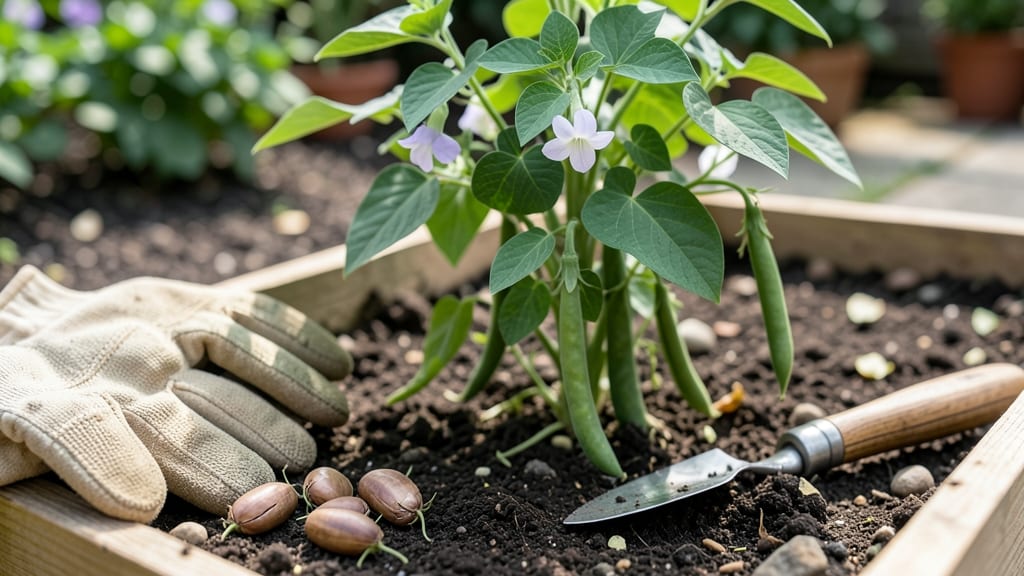
Timing your bean planting in Zone 8 could mean the difference between a bountiful harvest and wasted effort—because those 🌱 beans bolt faster than you can say "summer heatwave."
The key isn't just waiting for spring; it's about understanding when soil warms up and how late-season heat plays into your variety's success.
Most gardeners in Zone 8 rush to plant too early, only to watch their beans race to flower before producing pods. I've learned the hard way that patience pays off—waiting until soil hits 60°F and avoiding the hottest afternoons makes all the difference.
Whether you're growing bush beans or pole varieties, these exact windows will keep your plants happy and productive.
Here's what I'll show you: the precise months to plant for both spring and fall crops, how to adjust for your local microclimate (coastal vs. inland), and the 3 biggest mistakes that cause bolting. No more guessing games—just science-backed timing that works.
Ready to grow beans that actually produce? Let's dive into the schedule that'll have you harvesting through October instead of watching them bolt before you blink.
Best planting months for beans in Zone 8 (with exact dates)
Beans thrive in Zone 8 when planted during two key windows: early spring and late summer. The ideal soil temperature for germination is 60°F or warmer, which typically occurs in February-March for spring plantings and August-September for fall harvests.
In Zone 8, your last frost date is usually around January 15, giving you plenty of time for a spring harvest before summer heat arrives. For fall plantings, aim to finish harvesting before the first frost on December 15.
Here’s a breakdown of your planting windows with exact timing to avoid bolting (when beans flower prematurely and produce tough pods):
| Planting Window | Best Timeframe | Soil Temp Requirement | Harvest Window |
|---|---|---|---|
| Spring Planting | Mid-February to early April | 60°F+ (use soil thermometer) | May to early July |
| Fall Planting | Late July to mid-September | 60°F+ (avoid after September 15) | September to November |
🌱 Pro Tip: Use black plastic mulch to warm soil faster in early spring.
For bush beans, which mature faster (50-60 days), you can even try a late January planting if your soil warms quickly. However, pole beans (which take 60-75 days) need the longer growing season of spring or fall.
If you’re in a cooler microclimate within Zone 8 (like higher elevations), delay spring plantings until late March to avoid frost damage. Conversely, coastal areas with milder winters can start as early as January.
Always check your local frost dates—they can vary by 1-2 weeks even within Zone 8. For example, San Diego may have frost-free winters, while Las Vegas might see occasional cold snaps in December.
To maximize your harvest, consider succession planting: Sow a new batch of seeds every 2 weeks during your planting window. This ensures a steady supply of fresh pods instead of one big harvest.
Remember, beans hate cold soil. If you plant too early and temperatures dip below 50°F, your seeds may rot in the ground. Use a seedling heat mat if needed to jumpstart germination.
For fall plantings, stop sowing by mid-September to give your beans enough time to mature before winter. If you push it too late, you’ll end up with bitter, stringy pods or no harvest at all.
Best planting months for beans in Zone 8 (with exact dates)
In Zone 8, beans thrive when planted during two key windows: early spring and late summer. The ideal soil temperature for germination is 60°F+, which typically aligns with February to March for spring plantings and August to September for fall.
These timing windows ensure your beans mature before heat stress or early frost ruins your harvest.
Spring plantings are safest after your last frost date, usually around mid-February in most of Zone 8. For fall, aim to sow seeds 8-10 weeks before your first frost, which often falls in mid-December.
This timing lets beans mature before cooler temperatures set in. Pole beans and bush beans both follow these same windows, but pole varieties need extra time to climb and produce.
| Planting Window | Soil Temp Requirement | Bean Type | Harvest Window |
|---|---|---|---|
| February - March | 60°F+ | Bush & Pole | May - June |
| August - September | 60°F+ | Bush & Pole | October - November |
🌱 Pro Tip: Use a soil thermometer to confirm temps before planting.
If you're in a cooler microclimate within Zone 8, like higher elevations, wait until late March for spring plantings. Conversely, coastal areas with milder winters can start as early as January. Always monitor 7-day forecasts for unexpected cold snaps, which can stunt young seedlings.
For succession planting, sow new seeds every 2 weeks in spring and fall to stretch your harvest. This works especially well for bush beans, which mature faster (50-60 days) than pole varieties (60-70 days). Staggered plantings ensure a steady supply of fresh pods throughout the season.
Heat-loving varieties like black-eyed peas or lima beans can handle late summer plantings better than green beans, which prefer cooler temperatures. If your summer temps exceed 90°F, provide afternoon shade to prevent bolting—when plants flower too quickly without producing pods.
Remember, beans are warm-season crops, so never plant them in cold soil. Use black plastic mulch to warm the soil faster if needed, especially in early spring plantings. This simple trick can shave weeks off your growing season and get you harvesting sooner.