
Plants
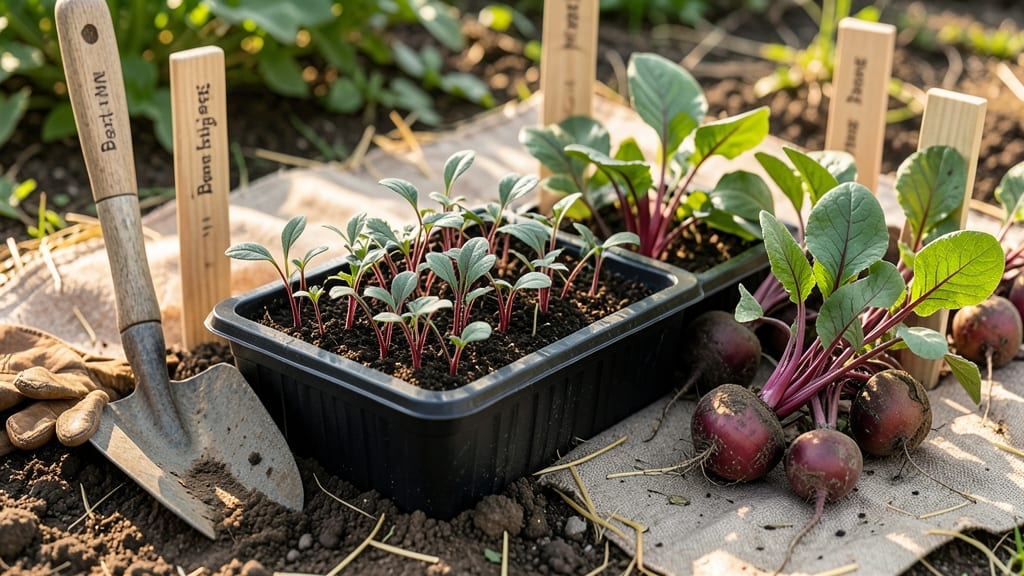
Planting beets in Arizona’s 9b climate might seem tricky with those relentless summers, but timing is everything for fast, thriving harvests. The key? Avoid the heat by starting your 🍠 seeds in September or February, when temperatures are cooler and the soil stays moist longer.
Most gardeners in Arizona swear by the fall window—September through November—because it gives beets time to mature before the scorching summer slows them down.
But don’t overlook the early spring window either; February to March planting can yield tender roots by April or May, just as the heat ramps up.
Why does this matter? Beets bolt (flower prematurely) in temperatures above 80°F, turning sweet roots bitter and tough. By planting at the right time, you skip the guesswork and get fast, flavorful harvests without the stress.
I’ll show you exactly how to prep your soil, adjust for Arizona’s microclimates, and even extend your growing season with simple tricks. Let’s get those beets in the ground the smart way!
Best planting windows for Arizona beets: avoiding the heat
Arizona’s USDA Zone 9b climate demands precision when planting beets—timing is everything to avoid bolting or stunted growth. The perfect windows are fall (September–November) and early spring (February–March), when temperatures stay mild and rainfall is more reliable.
Summer heat (above 85°F) will send your beets into bolt mode, turning sweet roots into bitter seed stalks faster than you can say "harvest fail."
Beets thrive in cool-season conditions, so aim for soil temperatures below 75°F—ideal for seed germination and root development.
In low-desert areas like Phoenix or Tucson, September plantings give you harvests before winter rains arrive, while February plantings let you enjoy fresh beets before summer’s relentless sun. High-altitude zones (e.g., Flagstaff) can extend spring plantings into April, thanks to cooler nights.
Here’s the month-by-month breakdown of Arizona’s beet planting schedule, tailored to your region’s microclimate:
| Timeframe | Best For | Soil Temp | Harvest Window |
|---|---|---|---|
| September | Fall harvest | 65–75°F | November–December |
| October | Winter prep | 60–70°F | December–January |
| February | Spring harvest | 60–70°F | April–May |
| March | Late spring | 65–75°F | May–June (risky) |
⚠️ Avoid planting in June–August—beets bolt in 90°F+ heat.
For low-desert areas, September is your golden month—plant seeds when daytime highs dip below 90°F and nights stay above 50°F. Use row covers if temperatures spike unexpectedly.
In higher elevations, like Sedona or Prescott, you can push plantings into late March for a spring harvest, but monitor for late frosts (though Arizona’s frost risk is minimal).
Pro tip: Direct sow seeds (don’t transplant seedlings)—beets hate root disturbance. Space seeds 1–2 inches apart in rows 12 inches apart for easy thinning. If you’re in a water-restricted area, prioritize drip irrigation to keep soil consistently moist without waste.
Beets need 1–1.5 inches of water weekly, but Arizona’s sandy soil drains fast, so mulch with straw or compost to retain moisture.
Watch for bolt-resistant varieties like ‘Detroit Dark Red’ or ‘Golden’—these handle mild heat better than heirlooms. If you’re succession planting (sowing every 2–3 weeks), your harvest will stretch from fall to spring without gaps.
Just remember: no summer plantings unless you’re willing to gamble on bitter, seedy beets.
Timing isn’t just about months—it’s about microclimates. A shady spot under a palm tree might stay 10°F cooler than your sunny raised bed, giving you a 2-week extension for fall plantings.
Use a soil thermometer to confirm temps before sowing—ideal germination range is 60–70°F. If your soil is warmer than 75°F, wait or use shade cloth to cool it down.
Finally, plan for pests—Arizona’s leaf miners and aphids love young beet greens. Start seeds indoors in late July if you’re desperate for a summer harvest, but be prepared to harvest quickly (in 45–50 days) before heat stress sets in.
For most gardeners, fall and spring plantings are the safest bet for sweet, plump beets.
With the right timing, you’ll enjoy homegrown beets from November through May—no grocery store needed! 🌱
Best planting windows for Arizona beets: avoiding the heat
Arizona’s USDA Zone 9b climate demands precise timing for beet success—plant too late, and you’ll face bolting from heat stress; too early, and your harvest gets lost in summer’s intensity.
The ideal window spans September through November for fall crops and February through March for spring, aligning with cooler temperatures and shorter days.
Beets thrive in 55-65°F soil temps, making Arizona’s fall months perfect for germination and growth. Spring plantings must happen before April’s heat—after that, beets struggle to establish roots and often produce bitter, woody roots.
High-altitude areas (like Flagstaff) can extend spring planting into late March or early April.
| Season | Planting Months | Soil Temp (°F) | Key Notes |
|---|---|---|---|
| Fall | September–November | 55–75°F | Best harvest window; avoid late November if frost risk exists. |
| Spring | February–March | 60–70°F | Harvest before April’s heat; use shade cloth if extending. |
| Avoid | April–October | Above 75°F | Bolting risk increases; roots turn woody. |
For Phoenix and Tucson, focus on September–October plantings—this gives beets 60–70 days to mature before summer’s 100°F+ temps. In Sedona or Prescott, cooler microclimates allow late October or even November plantings, but monitor frost risk (though rare in Zone 9b).
Pro tip: Use row covers in late winter (January–February) to protect seedlings from unexpected cold snaps, which can stall growth. This extends your spring window by 2–3 weeks without risking heat stress.
Timing isn’t just about months—it’s about soil prep. Test your soil’s pH (6.0–7.0 ideal) and amend with compost 2–3 weeks before planting. In Arizona’s alkaline soils, gypsum or sulfur can help adjust pH for better root development.
Remember: Beets are fast growers (ready in 55–70 days), so plan your succession plantings every 2–3 weeks during your ideal window. This ensures a continuous harvest and minimizes waste.