
Plants
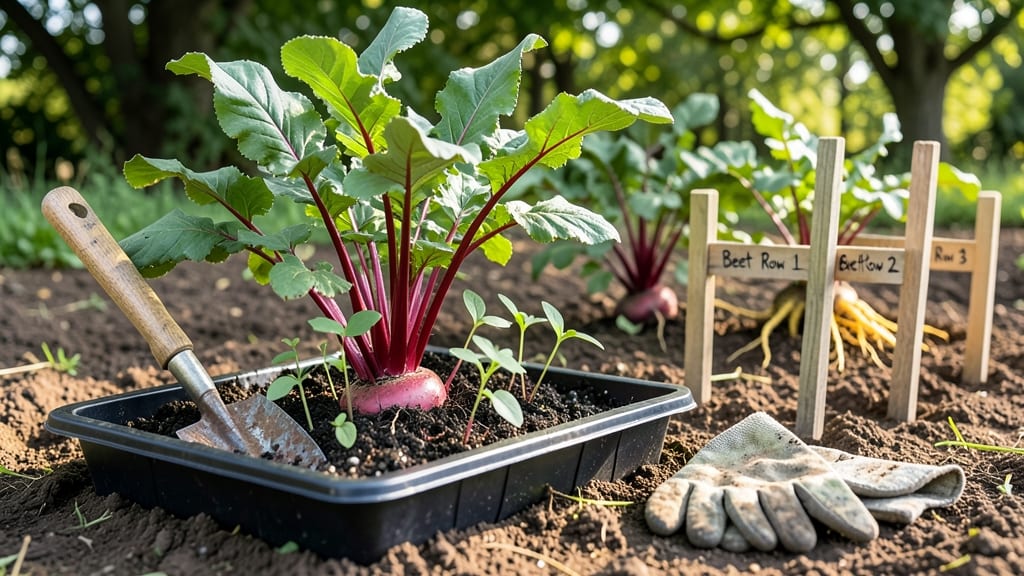
Planting beets in Louisiana might seem tricky with its sweltering summers, but timing your 🍠 crop just right means you can enjoy sweet, tender harvests year-round. The key is knowing exactly when to start seeds—whether you're aiming for crisp fall greens or spring's first harvest.
Most gardeners in zones 8a-9b swear by fall planting between September and October, giving beets time to mature before winter sets in. But did you know spring planting (February–March) can also work if you choose heat-tolerant varieties?
I’ll break down the best months for each region, so you never miss a planting window again.
Why does timing matter so much? Beets bolt (go to seed) when temperatures climb above 80°F, ruining your harvest. That’s why I’ll share my top strategies for beating the heat—from shade cloth tricks to the best beet varieties that actually thrive in Louisiana’s climate.
Ready to grow beets that outlast the summer heat? Let’s dive into the exact planting schedule, soil prep secrets, and pro tips that’ll have you harvesting sweet, plump beets all year long—no matter where you garden in the Bayou State.
Best months to plant beets in Louisiana’s climate zones
Louisiana’s USDA zones 8a-9b create a unique challenge for growing beets—the heat and humidity can cause them to bolt or develop woody roots. But with the right timing, you can enjoy sweet, tender harvests even in the Bayou State’s climate.
The key is planting during cooler months when temperatures stay below 75°F.
For most of Louisiana, the ideal planting windows are late summer (August-September) and early spring (February-March). These periods avoid the peak summer heat while still allowing enough time for harvest before the next extreme season. Let’s break down the best months for each region and why they work.
Visual Element: Here’s a quick reference for Louisiana’s planting schedule, tailored to the state’s two main climate zones.
In North Louisiana (Zone 8a), cooler temperatures arrive earlier, so you can start planting as early as late August. This gives your beets time to mature before the first frost, which typically hits around December 1.
For South and Central Louisiana (Zones 8b-9b), the window shifts slightly later due to warmer winters, with January-February being ideal for spring planting.
If you’re eager to grow beets in summer months, consider succession planting in late June or early July for a fall harvest. However, be prepared for slower growth and potential bolting if temperatures exceed 85°F. Providing afternoon shade with a light cloth can help mitigate heat stress.
Timing isn’t just about months—it’s also about soil temperatures. Beets germinate best when soil stays between 50°F and 75°F. In Louisiana, this usually aligns with early spring and late fall, but you can test soil temps with a thermometer to confirm.
If soil is too warm, germination slows or fails entirely.
Another critical factor is day length. Beets are long-day plants, meaning they bolt (flower prematurely) when exposed to longer daylight hours. In Louisiana, this risk peaks in late spring and summer.
To delay bolting, plant shade-tolerant varieties and use row covers to reduce light exposure during peak heat.
For a year-round harvest, many Louisiana gardeners plant beets in three waves: early spring, late summer, and early fall. This staggered approach ensures a steady supply of fresh beets while minimizing the impact of extreme temperatures.
Start with small batches to test what works best in your microclimate.
One common mistake is planting beets too early in spring or too late in fall. In Louisiana, March plantings can still face unpredictable cold snaps, while October plantings might not mature before frost. Aim for 60-70 days to harvest to stay within these windows.
Finally, don’t overlook container gardening as an option for Louisiana’s heat. Growing beets in deep pots (12+ inches) with well-draining soil allows you to move them to shadier spots during peak afternoon heat. This flexibility can extend your growing season by 2-4 weeks in both spring and fall.
Best months to plant beets in Louisiana’s climate zones
Louisiana’s USDA zones 8a-9b create a unique challenge for growing beets—too much summer heat can cause them to bolt prematurely, while winter frosts may damage tender seedlings. The key is planting during cooler months when temperatures stay between 50°F and 75°F for optimal growth.
For most of Louisiana, the ideal planting windows are February-March (spring) and September-October (fall). These months provide moderate temperatures and longer daylight hours needed for consistent germination and root development. Coastal areas like New Orleans may extend spring planting slightly into late March due to milder winters.
Northern Louisiana (e.g., Shreveport) should focus on fall planting (September-October) to avoid the intense summer heat that can stress beet plants. In contrast, southern regions (e.g., Lafayette) can attempt early spring plantings in January if soil temperatures remain above 50°F.
Louisiana Beet Planting Guide by Season
| Season | Best Planting Months | Temperature Range (°F) | Key Considerations |
|---|---|---|---|
| Spring | February-March | 50-75°F | Avoid planting too early; soil must be at least 50°F for germination. |
| Fall | September-October | 60-80°F | Best for large harvests before first frost (December 1 in most areas). |
| Summer | Not Recommended | Above 85°F | Risk of bolting and poor root development. Use shade cloth if attempting. |
| Winter | November (Coastal) | 45-60°F | Only viable in southern Louisiana with row covers for protection. |
If you’re eager to grow beets year-round, consider successive plantings every 2-3 weeks during the ideal windows. This staggered approach ensures a continuous harvest from spring through fall. For example, plant a batch in late February and another in early September to maximize your yield.
Always monitor soil temperatures with a thermometer—beets won’t germinate well in soil below 50°F. In Louisiana’s humid climate, well-draining soil is critical to prevent root rot, especially after heavy rains. Amend your soil with compost before planting to improve structure and fertility.
With the right timing and preparation, you can enjoy homegrown beets even in Louisiana’s challenging climate. Start with the fall window for the most reliable results, then experiment with spring plantings as you gain experience with your local microclimate. 🌱