
Plants
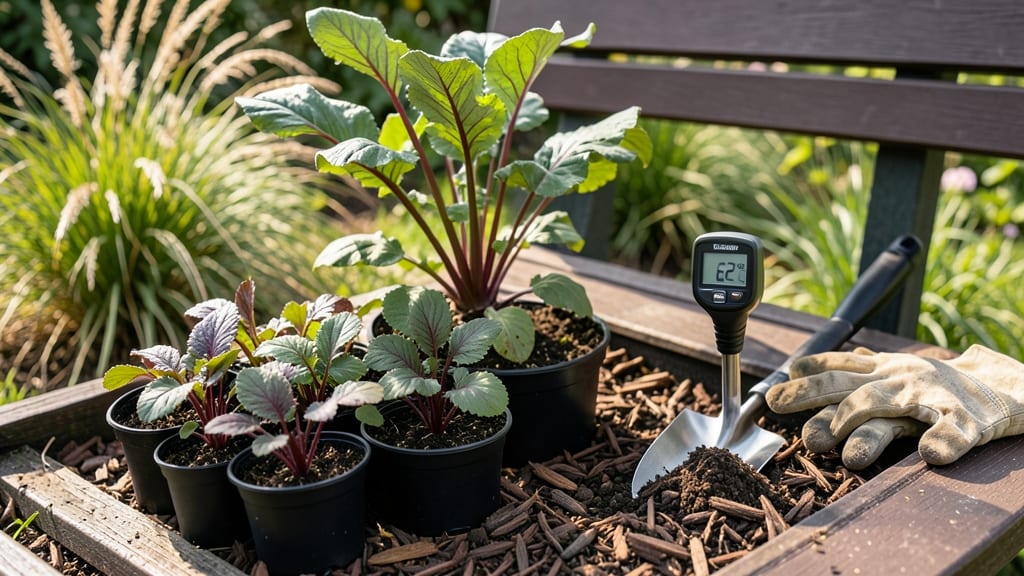
Timing your 🍠 beet planting in Maine isn’t just about throwing seeds in the dirt—it’s the difference between a bountiful harvest and a frost-killed disappointment.
With the right schedule, you can enjoy fresh beets from early summer right through fall, even in USDA Zone 5b where frost lingers well into May.
Most gardeners in Maine make one critical mistake: planting too late in spring or too early in fall. The secret lies in starting seeds 4-6 weeks before your last frost date—typically around April 15—and repeating in late summer for a fall crop.
This strategy gives your beets enough time to mature before winter sets in.
But here’s what I’ve learned after years of testing: not all beet varieties handle Maine’s short season equally. Some bolt in the heat, while others struggle with cool soils. I’ll show you which frost-resistant varieties thrive here and exactly when to plant them for maximum yield.
Ready to transform your garden into a beet bonanza? Let’s dive into the precise planting windows, soil prep tips, and pro tricks that’ll keep your harvest going from July through November—no matter what Maine’s fickle weather throws your way.
Maine’s best beet planting windows: exact start dates by frost zone
Timing is everything when planting beets in Maine, where late frosts and short growing seasons can turn a promising crop into a flop.
Most of Maine falls in USDA zones 5a-6b, meaning you’ll need to plan around the average last frost date of May 10 and first frost around October 10. The key? Planting early enough to beat frost but not so early that seeds rot in cold, wet soil.
For spring plantings, start seeds indoors 4-6 weeks before the last frost (around early April) or sow directly outdoors 2-3 weeks after the last frost—typically mid-April to early May.
This gives beets enough time to mature before summer heat sets in. Fall plantings should begin in early September to allow roots to bulk up before winter arrives.
Maine’s cooler coastal areas (like zone 5a) may need to wait until May 15 for outdoor sowing, while inland zones (5b-6b) can start as early as April 15. Always check your local frost-free date—Maine’s can vary by 1-2 weeks depending on elevation and microclimates.
| Season | Planting Window | Key Notes |
|---|---|---|
| Early Spring | April 15–May 15 | Start indoors 4-6 weeks before last frost; direct sow after soil reaches 50°F. |
| Summer Succession | June 1–July 15 | Sow every 2 weeks for continuous harvest; use shade cloth if temps exceed 80°F. |
| Fall | September 1–September 30 | Plant 8-10 weeks before first frost; harvest before hard freeze. |
Don’t overlook summer succession planting—sowing beets every 2 weeks from June to July ensures a steady supply when spring crops mature. Use row covers to protect seedlings from late spring frosts, which can still hit Maine gardens into early June.
For fall harvests, aim to plant by September 1; varieties like 'Early Wonder' mature in just 50 days, perfect for late-season gardens.
If you’re in northern Maine (zone 4), push back spring plantings to May 1 and focus on cold-hardy varieties like 'Boltardy', which tolerates cooler soils better than most.
In southern Maine (zone 6b), you might even squeeze in a late summer planting by August 1 for a fall harvest before the first frost.
Pro tip: Use a soil thermometer—beets won’t germinate well in soil colder than 50°F. If your soil is too cold, wait or use black plastic mulch to warm it faster. Maine’s acidic clay soil also benefits from a compost amendment to improve drainage and fertility before planting.
For container growing, start seeds in pots by April 1 and transplant outdoors after the last frost. Use 5-gallon pots for each plant, as beets need room to expand their roots. Containers warm up faster in spring, giving you a 2-week head start over in-ground plantings.
Remember: Beets are cool-season crops, so they thrive in Maine’s spring and fall but struggle in peak summer heat.
Plan your plantings to avoid the dog days of July and August, when temps often exceed 85°F—this causes bolting (flowering) and bitter roots. Shade cloth (30-50%) can help if you must plant in summer.
Finally, keep a planting journal to track your success. Note when you sow, local frost dates, and harvest times. Over time, you’ll refine your schedule to beat Maine’s unpredictable weather and enjoy homegrown beets from June through November. 🌱
Maine’s best beet planting windows: exact start dates by frost zone
Maine’s short growing season and late spring frosts demand precision when planting beets. The key is starting seeds 4-6 weeks before your last frost date—typically around April 15 in most of the state.
This timing ensures seedlings emerge before May’s unpredictable cold snaps and mature before summer heat sets in.
For USDA Zones 5a-6b, which cover nearly all of Maine, your planting windows are narrow but critical. Spring plantings must happen between April 15 and May 15, while fall plantings should start by September 1 to harvest before the first frost around October 10.
Missing these windows often means bolting plants or frost-killed roots.
Here’s the breakdown for Maine’s frost zones—adjust based on your local last frost date, which can vary by 1-2 weeks across the state. For example, Portland (Zone 5b) averages a last frost of May 10, while Presque Isle (Zone 4a) may see frost until May 25.
| Planting Window | Zone 5a (e.g., Bangor) | Zone 5b (e.g., Portland) | Zone 6b (e.g., York) |
|---|---|---|---|
| Spring Planting | April 20 - May 10 | April 15 - May 15 | April 10 - May 10 |
| Summer Succession | June 15 - July 15 | June 10 - July 10 | June 5 - July 5 |
| Fall Planting | August 20 - September 10 | September 1 - September 20 | September 10 - September 30 |
Don’t overlook succession planting in late June or early July for a continuous harvest. Beets mature in 50-70 days, so staggered plantings ensure you’re always harvesting fresh roots. For example, plant a second round on July 1 to enjoy beets in early September before fall frosts arrive.
If you’re in northern Maine (Zone 4a), extend your season by starting seeds indoors in March and transplanting outdoors after the last frost. Use row covers or a cold frame to protect young plants from late frosts, which can still hit in early June.
For fall plantings, aim to harvest before October 10—the average first frost date. If you miss this window, try cold-hardy varieties like ‘Detroit Dark Red’ and harvest roots before they freeze.
In my garden, I’ve had success with late September plantings that yield edible beets even after light frosts.