
Plants
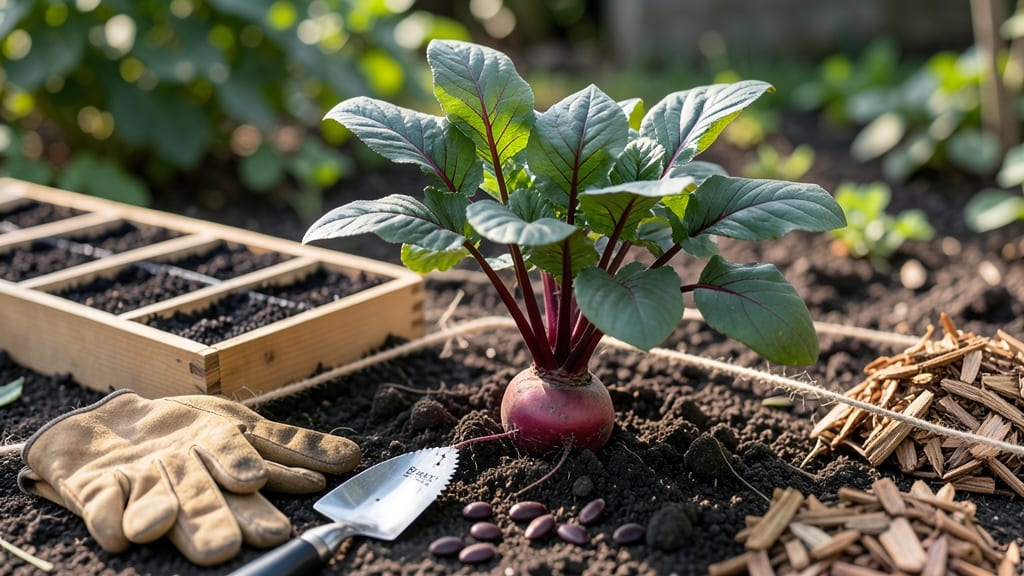
Planting beets in Minnesota isn’t just about tossing seeds into the soil—it’s about timing them perfectly to avoid frost damage or summer bolting.
If you’ve ever pulled up a bitter, tough beet or watched your plants wilt in the heat, you know how critical the right window can be for a sweet, tender harvest.
With Minnesota’s USDA Zones 4a-5b and unpredictable frost dates, knowing when to plant 🍠 beets can make the difference between a thriving garden and a failed crop.
Whether you’re a seasoned gardener or just starting, the key is understanding the frost-free window—typically early spring (March–April) and late summer (July–August)—to maximize your harvest from June through November.
But here’s the thing: not all beet varieties thrive in Minnesota’s climate. Some bolt in summer heat, while others struggle with early frosts.
I’ll break down the best planting times for ball, baby, and long-top varieties, plus how to extend your season with simple tricks like succession planting and row covers.
Ready to grow beets that are sweet, plentiful, and ready to harvest at the perfect moment? Let’s dive into the exact steps to make your Minnesota garden a beet-lover’s dream.
Minnesota beet planting calendar: frost dates by variety type
Timing your beet harvest in Minnesota starts with understanding USDA zones 3–5 and the average last frost dates—typically between April 15–May 15 for spring plantings. The key is planting when soil temperatures reach 45°F (7°C), which usually aligns with late April in most regions.
For fall crops, aim for August 1–September 1 to ensure roots mature before the first frost hits in mid-October.
Minnesota’s short growing season means choosing the right beet varieties is critical. Ball beets (like Detroit Dark Red) thrive in cool weather, while baby beets (such as Baby Kardo) grow faster and tolerate slight heat. Long-top varieties (e.g., Chioggia) are best for late summer plantings when days shorten.
Each type has a unique frost tolerance, so let’s break down the ideal windows.
Here’s a quick reference for Minnesota’s two main planting seasons—spring and fall—tailored to the most popular beet varieties:
| Variety Type | Spring Planting Window | Fall Planting Window | Days to Harvest | Notes |
|---|---|---|---|---|
| Ball Beets (e.g., Detroit Dark Red) | April 15–May 15 | August 1–September 1 | 50–60 days | Cold-hardy; ideal for early spring/late fall. |
| Baby Beets (e.g., Baby Kardo) | April 20–May 10 | August 10–August 30 | 30–45 days | Fast-growing; great for succession planting. |
| Long-Top Beets (e.g., Chioggia) | May 1–May 15 | August 15–September 1 | 60–70 days | Heat-sensitive; best for late summer. |
For Zone 3 gardeners (northern Minnesota), push spring plantings to May 1–15 to avoid late frosts, while Zone 5 gardeners can start as early as April 1 in protected beds.
Always check your local Almanac frost dates—they can vary by 1–2 weeks depending on microclimates like urban heat islands or lake-effect zones.
Pro tip: Use row covers to extend your spring window by 2–3 weeks if frost threatens. These lightweight fabrics trap heat and protect seedlings without stunting growth. I’ve used them to plant Detroit Dark Red as early as April 1 in Zone 4 with great success.
In southern Minnesota (Zone 5), you can even try a third planting in late July for a fall harvest. Choose heat-tolerant varieties like Golden Beets and provide afternoon shade during July’s peak heat to prevent bolting.
Remember, beets are cool-season crops, so they’ll bolt (go to seed) if exposed to consistent temperatures above 80°F (27°C). In Minnesota, this usually happens by mid-July, making late summer plantings a gamble unless you use shade cloth or choose heat-resistant varieties.
Start with soil prep in early spring—amend heavy clay soils with compost or sand to improve drainage. Beets hate soggy roots, and Minnesota’s spring rains can turn gardens into mud pits. Aim for loamy, well-draining soil with a pH of 6.0–7.0 for optimal growth.
Once you’ve nailed the planting window, succession planting every 2 weeks ensures a steady harvest. For example, plant a batch on April 15, another on April 29, and a final one on May 13 to enjoy beets from June through September.
This method works equally well for fall plantings, starting in early August.
Now that you’ve got the timing down, your next challenge is extending the season—and that’s where cold frames and row covers become your best friends. Let’s dive into those strategies next to maximize your Minnesota beet harvest!
How to extend beet season in Minnesota: succession planting & cold tolerance hacks
Minnesota’s short growing season doesn’t mean you’re limited to a single beet harvest. By using succession planting and cold-hardy varieties, you can enjoy fresh beets from early summer through late fall.
The trick is spacing out plantings every 2 weeks—this ensures a continuous supply while avoiding the pitfalls of bolting or frost damage.
For early spring plantings, start seeds indoors 4-6 weeks before your last frost date (typically late March). Transplant seedlings outdoors once soil temperatures hit 45°F, usually by mid-April. This gives you a head start on the season and maximizes your harvest window before summer heat sets in.
🌱 Pro Tip: Use row covers or low tunnels to protect seedlings from late frosts (common in Minnesota’s Zone 4). These simple tools can extend your planting window by 2-3 weeks, giving you an earlier harvest and more flexibility in timing.
- 📅 Spring: Start seeds indoors in March for early transplanting (Zone 4: April 15).
- 🌡️ Summer: Plant heat-tolerant varieties like Golden Beets in late July for fall harvest.
- 🛡️ Fall: Use row covers to extend harvest into October before hard frosts.
- ❄️ Winter: Choose Detroit Dark Red (hardy to Zone 2) for late-season plantings.
- 🌱 Succession: Sow new seeds every 2 weeks from April to August.
If you’re dealing with summer bolting (when beets flower prematurely), opt for shade cloth during peak heat (July–August). This keeps soil temperatures cooler and prevents the plants from sending up flowers too soon. Varieties like Chioggia and Babybeat are also less prone to bolting in Minnesota’s heat.
For late-season harvests, focus on fall plantings starting in early August. Choose cold-hardy varieties like Detroit Dark Red or Bull’s Blood, which can tolerate light frosts and even improve in flavor after a light frost (just avoid hard freezes).
Mulch heavily with straw to insulate roots and protect them from temperature swings.
With these strategies, you can enjoy sweet, tender beets from June through November—no matter Minnesota’s unpredictable weather. The key is flexibility: adjust your planting schedule based on your local frost dates and variety preferences.