
Plants
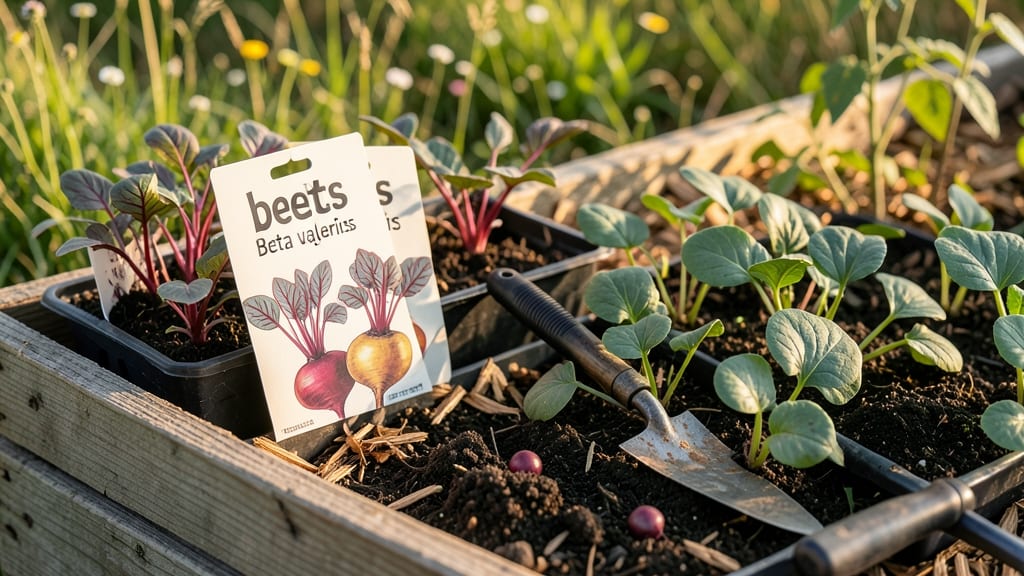
Planting beets in the fall can feel like a gamble—too early, and they bolt; too late, and frost steals your harvest. But timing it right unlocks sweeter, more tender roots with fewer pests.
The key is knowing exactly when to plant in your zone, and these precise weeks before frost are your best shot.
In General (USDA Zone 6 default), like many gardeners, you’ve got a 4-6 week window before the first frost in mid-October. That means if your last frost date is October 15, aim to get seeds in the ground by early September.
This timing lets your 🍠 beets mature just as cooler weather sweetens their flavor, while avoiding the heat stress that triggers bolting.
Fall-planted beets also dodge common summer pests like leaf miners and cucumber beetles, giving you cleaner harvests. Plus, cooler soil temperatures slow down growth just enough to prevent woody roots.
I’ll show you how to fine-tune your schedule based on your region, plus soil prep tricks to keep your beets thriving until harvest in October or November.
Ready to skip the guesswork? Let’s break down the exact steps—from seed spacing to frost-proofing your patch—so you can enjoy homegrown beets that taste like they came straight from a farmers’ market. No more wasted seeds or bitter harvests!
Fall beet planting timeline: exact weeks before frost for your region
Timing your fall beet planting depends on your USDA zone and first frost date. The golden rule? Plant 4-6 weeks before frost to ensure mature roots before winter.
For USDA Zone 6 (like much of the Midwest), this means mid-August to early September—but adjust for colder or warmer regions.
Beets need 40-60 days to reach harvest size, so late plantings risk stunted growth. In Zone 3-4 (e.g., Minnesota, Maine), aim for late July to mid-August. Meanwhile, Zones 7-10 (e.g., Texas, California) can plant until mid-October, thanks to milder winters.
Soil temperature matters too. Beets thrive in 50-75°F soil. If your ground stays warm late, push planting to 6 weeks before frost. Use a soil thermometer to confirm—cool soil slows germination.
Regional tweaks matter. In the Northeast, frost often hits by mid-October, so plant by early September. The Southwest has later frosts (e.g., December in Arizona), allowing October plantings for winter harvests.
Pro tip: Check your local frost dates via the Old Farmer’s Almanac or NOAA. Add 4-6 weeks to your first frost date for your planting window. For example, if frost hits November 1, plant by September 15.
| USDA Zone | First Frost (Avg.) | Planting Window | Soil Temp Goal |
|---|---|---|---|
| 3-4 (Cold) | Oct 1–15 | Late July–Aug 15 | 50–65°F |
| 5-6 (Midwest) | Oct 15–Nov 1 | Aug 1–Sep 15 | 55–70°F |
| 7-8 (South) | Nov 15–Dec 15 | Sep 1–Oct 15 | 60–75°F |
| 9-10 (West Coast) | Dec 15–Jan 15 | Oct 1–Nov 1 | 65–80°F |
For extended harvests, stagger plantings every 2 weeks within your window. This ensures a steady supply of sweet, tender beets before winter sets in. For example, in Zone 6, plant on August 1, August 15, and September 1.
If you’re unsure, err on the earlier side. Beets planted too late may not mature before frost, but early plantings can still produce edible greens (though smaller roots). Cold-hardy varieties (like ‘Winter Keeper’) tolerate light frosts, but roots won’t sweeten as much.
Test your soil’s pH (6.0–7.0) and add compost before planting. Beets prefer loose, well-draining soil—amend heavy clay with sand or peat moss to prevent rot. Mulch with straw after planting to retain moisture and regulate soil temps.
Remember: Fall beets taste sweeter after light frosts, but avoid hard freezes. Harvest before temps drop below 20°F to preserve quality. With the right timing, you’ll enjoy homegrown beets long after summer crops fade!
How to avoid beet bolting: temperature, light, and soil tricks for fall success
Fall bolting can turn your sweet beets into bitter, woody messes—but don’t panic. Beets bolt when they sense long daylight hours or stress from heat. In fall, the biggest triggers are early planting (too much light) and dry soil as temps drop.
The key? Time your planting so beets mature before daylight shrinks below 12 hours, usually by mid-September in most zones.
Start with shade cloth if planting early—even 30% shade can delay bolting by 10-14 days. I’ve used it in USDA Zone 7 to push harvests into November. Pair this with consistent moisture; let soil dry even 1 inch and beets bolt faster than a rabbit in a garden.
Here’s the secret: Soil temperature matters more than air temp. Beets bolt when roots hit below 50°F. Use a soil thermometer—plant when temps are 55-65°F during the day.
In my Zone 5 garden, that’s late August to early September. If soil cools faster, mulch with straw to insulate roots.
⚠️ Bolting Warning Signs
🌱 Stems elongate (taller than 12 inches)
🌿 Leaves turn yellow at the base
🌡️ Flowers form (tiny green buds appear)
Action: Harvest immediately—roots stay edible but toughen.
Choose bolt-resistant varieties like ‘Detroit Dark Red’ or ‘Chioggia’—they tolerate cooler temps better than ‘Golden’. I’ve grown ‘Cylindra’ successfully in Zone 4 by planting 6 weeks before frost and covering rows with row fabric at night when temps dip below 45°F.
Even a light frost won’t kill beets, but hard freezes will.
Pro tip: Succession plant every 2 weeks in late summer for a staggered harvest. My July 15 and August 1 plantings gave me beets in September and October—just as daylight shortened naturally. This beats the rush of a single bolting batch.
Finally, avoid nitrogen-heavy fertilizers in fall. Too much N = leafy growth, not roots. Use a low-N formula (5-10-10) or compost instead. I’ve seen beets bolt from over-fertilizing—don’t make that mistake!