
Plants
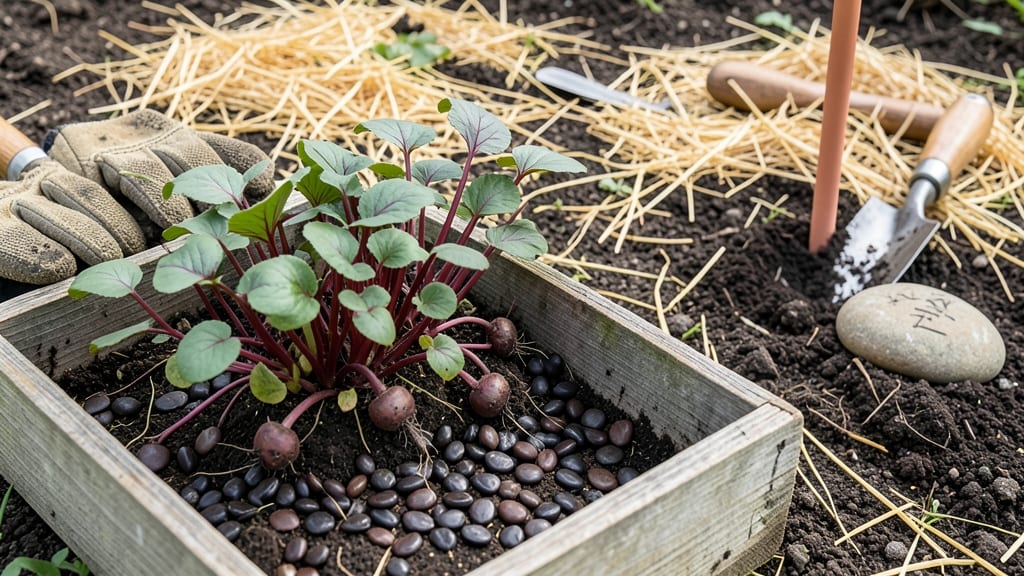
Planting beets at the wrong time in Zone 5b can turn your garden into a bitter disappointment—literally.
These 🍠 root veggies need cool soil and short days to grow sweet, tender roots, and missing the sweet spot means tough, woody harvests or bolting before you even get a chance to enjoy them.
Most gardeners in Zone 5b make the mistake of waiting too long, but the truth is, you’ve got just two narrow windows to get it right: early spring (March–April) when soil temps hit 45°F, or late summer (July–August) for a fall harvest.
Timing isn’t just about months—it’s about avoiding those 85°F heat spikes that send beets into early flowering mode.
I’ve learned the hard way that skipping soil prep or ignoring frost dates can ruin even the best-laid plans. But here’s the good news: with the right strategy, you can stretch your harvest from June to November by planting in stages.
Let me walk you through the exact steps to nail your beet timing in Zone 5b—no guesswork, just guaranteed success.
From seed to table, we’ll cover when to start seeds indoors (if you’re ambitious), how to read your soil’s temperature cues, and why your last frost date is your new best friend. Ready to grow beets that actually taste like beets? Let’s get started.
Best planting times for beets in Zone 5b based on soil temperature
In Zone 5b, timing is everything when planting beets. The key is to sow seeds when soil temperatures hover between 45°F and 85°F.
Outside this range, germination suffers, and roots can turn woody or bitter. Let’s break down the best windows for your region’s short growing season.
For spring plantings, aim to start seeds 4–6 weeks before your last frost date. In Zone 5b, that’s typically mid-March to early April. This gives seedlings time to mature before summer heat sets in. If you miss this window, don’t worry—late summer offers a second chance.
Soil temperature is your best guide. Use a soil thermometer to confirm conditions. Beets thrive when soil is at least 50°F—any colder, and germination slows dramatically. Warmer than 85°F, and the roots may bolt or develop a tough texture.
Here’s a quick reference for Zone 5b’s frost-free triggers and ideal planting windows:
| Planting Window | Soil Temp (°F) | Frost Risk | Action |
|---|---|---|---|
| Early Spring (March) | 45–60°F | High (last frost: mid-May) | Direct sow seeds ½" deep |
| Late Spring (April) | 50–70°F | Moderate | Thin seedlings to 3" apart |
| Late Summer (July–August) | 60–85°F | Low (first frost: mid-October) | Sow for fall harvest |
| Early Fall (September) | 50–70°F | High (first frost approaching) | Use row covers to extend season |
In Zone 5b, late summer plantings (July–August) are your secret weapon for a fall harvest. By sowing seeds in early July, you’ll have beets ready to pull by October, just before the first frost. This works because cooler fall temperatures slow bolting and improve root quality.
If you’re new to beet growing, start with small batches to test your timing. Use fast-maturing varieties like ‘Detroit Dark Red’ or ‘Golden’ for reliable results. These types tolerate a wider range of temperatures and still deliver sweet, tender roots.
Pro tip: Mulch heavily after planting to keep soil temperatures stable. A 2–3 inch layer of straw or shredded leaves prevents rapid heating or cooling, which can stress young seedlings. This is especially critical in Zone 5b’s volatile spring and fall.
Finally, avoid planting beets in mid-summer (June) unless you’re using shade cloth. The intense heat causes roots to bolt prematurely, turning them tough and fibrous. Stick to the early spring and late summer windows for the best results.
With the right timing, you can enjoy fresh beets from June through October—no bitter aftertaste in sight! 🍠
Best planting times for beets in Zone 5b based on soil temperature
Zone 5b’s short growing season means timing is everything for beet success. These cool-season crops thrive when soil temps hover between 45°F–85°F, making early spring and late summer your best bets. Plant too late, and you’ll risk bolting or woody roots—especially before the mid-October frost.
For spring plantings, aim to sow seeds 4–6 weeks before your last frost date (typically early March to mid-April in Zone 5b).
This gives beets enough time to mature before summer heat sets in. Soil thermometers are your best friend here—wait until temps consistently reach 50°F at 2 inches deep.
| Planting Window | Soil Temp | Zone 5b Months | Key Notes |
|---|---|---|---|
| Early Spring | 45°F–65°F | March–April | Sow 4–6 weeks before last frost; harvest before summer heat. |
| Late Summer | 60°F–85°F | July–August | Plant 8–10 weeks before first frost; use row covers for fall harvests. |
Don’t overlook late-summer plantings (July–August) for a fall harvest. Beets sown in late summer often produce sweeter roots because they mature during cooler temps. Just be sure to space plantings every 2–3 weeks to stagger harvests and avoid a glut.
Pro tip: Use a cold frame or row covers to extend your growing season. These tools can push your last planting date into early September, giving you an October harvest before hard frosts arrive. Just monitor soil temps—beets won’t germinate well if soil drops below 45°F.
If you’re new to Zone 5b gardening, test your soil before planting. Beets prefer loamy, well-draining soil with a pH of 6.0–7.0. Amend heavy clay with compost or sand to improve drainage, and avoid fresh manure, which can cause forked roots.
A simple soil test kit (available at garden centers) will save you headaches later.
Remember: Consistency is key. Whether you’re planting in spring or summer, maintain even moisture and thin seedlings to 3–4 inches apart. With the right timing and care, you’ll enjoy homegrown beets from June through November—no store-bought substitutes needed! 🍠